
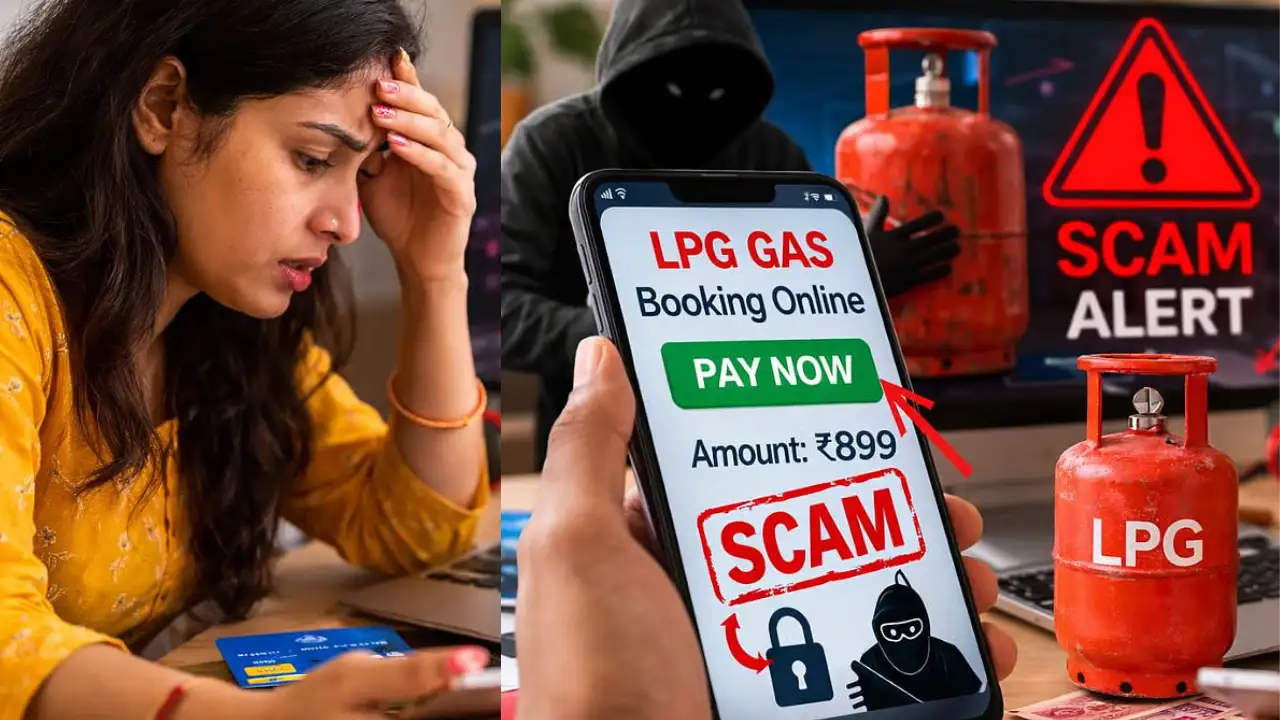
tate-run LPG providers across India have intensified consumer awareness campaigns after a sharp rise in gas delivery-related cyber frauds targeting customers of Indane, HP Gas, and Bharat Gas.
Authorities and oil companies have issued new safety advisories warning users not to share OTPs, Delivery Authentication Codes (DACs), banking details, or install suspicious mobile applications sent through calls, SMS, or messaging platforms.
The warning comes amid increasing reports of scammers impersonating LPG delivery executives, gas agency officials, and customer care representatives to steal money and personal data from unsuspecting consumers. Cybercriminals are reportedly using fake booking confirmations, subsidy verification messages, and urgent KYC update requests to trick users into sharing confidential information.
According to recent advisories, fraudsters often contact consumers claiming that their LPG connection may be suspended, blocked, or disconnected unless immediate verification is completed. Victims are then pressured into sharing OTPs or clicking fraudulent links that mimic official LPG portals.
In several reported cases, consumers were allegedly asked to install APK files disguised as gas booking applications, allowing scammers to gain remote access to smartphones and banking apps.
Oil companies have clarified that genuine delivery staff do not ask customers to reveal OTPs or banking credentials over calls or messages. Officials emphasized that the Delivery Authentication Code system is meant only to verify successful cylinder delivery and should never be disclosed before the cylinder physically reaches the customer’s doorstep. 
The companies also cautioned users against scanning unknown QR codes sent through messaging apps. Cybersecurity experts say scammers are increasingly exploiting QR-code payment systems by misleading users into authorizing payments instead of receiving refunds or subsidies. Many consumers reportedly lose money within seconds after scanning fraudulent payment requests.
Investigations and cyber alerts from various states have revealed that these scams are becoming more sophisticated. Fraudsters are now using fake websites, cloned mobile interfaces, and WhatsApp messages that closely resemble official communication from LPG providers.
Some cybercrime reports indicate that scammers even possess partial consumer details, making the fraud appear authentic and increasing the chances of victims falling into the trap.
Security agencies have advised consumers to use only official mobile applications and verified customer care channels for LPG booking, subsidy checks, and KYC-related services. Users have also been urged to avoid downloading APK files from unknown sources and to verify every communication before responding.
Officials further warned that panic surrounding LPG supply rumours and subsidy-related updates has created opportunities for cybercriminals to target households across multiple states. In some cases, fake emergency booking offers and promises of faster delivery were used to lure customers into fraudulent payment traps.
Consumers have been advised to immediately report suspicious calls, fake links, or unauthorized payment requests to cybercrime authorities and their respective gas agencies. Experts recommend changing banking passwords, blocking compromised payment apps, and contacting banks immediately if any fraudulent transaction occurs.
Cybersecurity specialists say awareness remains the strongest defense against evolving LPG-related digital frauds. They stressed that users should remain cautious even when messages appear to come from trusted brands or known contacts, as compromised devices can unknowingly spread malicious links and fake booking messages to others.