

Fugitive businessman Nirav Modi is once again at the center of a major legal and diplomatic standoff after his extradition from the United Kingdom to India was reportedly delayed due to undisclosed “secret proceedings” underway in Britain.
Indian authorities, who have spent years pursuing Modi’s return in connection with the multi-crore Punjab National Bank fraud case, were recently informed by British officials that the extradition process cannot move forward at present because of confidential legal developments taking place in the UK judicial system. The nature of these proceedings has not officially been disclosed to Indian agencies, adding another layer of uncertainty to an already prolonged extradition battle.
According to officials familiar with the matter, India has already succeeded in all major extradition-related proceedings against Modi before British courts. However, despite repeated legal victories and approvals from UK authorities in previous stages of the case, the actual transfer of the fugitive businessman to India has still not materialized.
Sources indicated that the “secret proceedings” being referenced by UK authorities are widely understood to relate to a fresh asylum plea filed by Modi in Britain. If true, the move could significantly prolong his stay in the UK and delay India’s efforts to bring him back to face trial in the massive banking fraud case that shook the country’s financial system.
Modi, once a prominent diamond trader with an international luxury jewelry business, fled India in early 2018 after allegations emerged regarding fraudulent transactions involving Punjab National Bank. Indian investigative agencies, including the Central Bureau of Investigation and the Enforcement Directorate, accused him and several associates of orchestrating a large-scale financial fraud involving fraudulent Letters of Undertaking and illegal overseas credit facilities.
The case quickly became one of India’s most high-profile economic offences, leading to global investigations, asset seizures, and multiple international legal proceedings. Modi was eventually arrested in London in 2019 following India’s extradition request and has remained in UK custody for several years while contesting his extradition through various legal avenues. 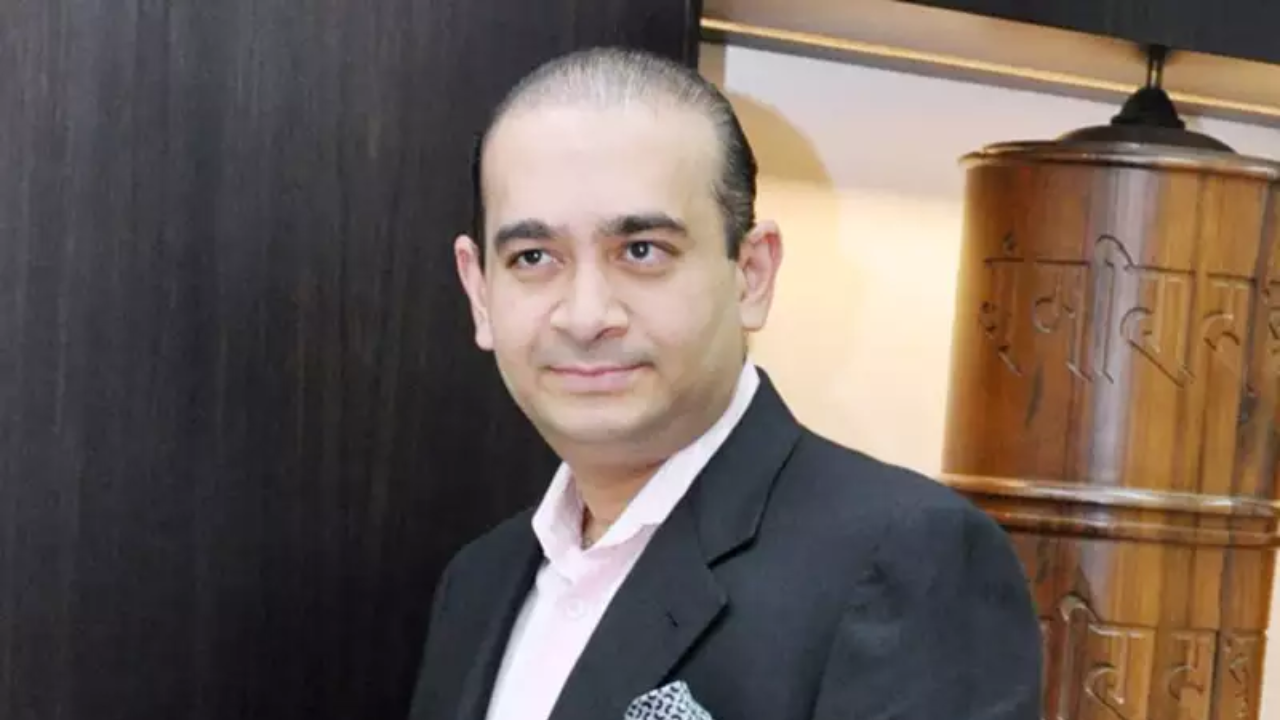
British courts had earlier ruled in favor of India’s extradition request after examining evidence submitted by Indian agencies. The courts rejected several arguments raised by Modi’s legal team, including concerns over prison conditions and mental health issues. The UK government had also approved his extradition in earlier proceedings, strengthening India’s expectation that the businessman would soon be returned to face prosecution.
However, the latest development appears to have reopened uncertainty around the timeline of his extradition. Indian officials reportedly remain frustrated over the lack of clarity from British authorities regarding the exact status and legal nature of the ongoing confidential proceedings.
Legal experts note that asylum applications and related appeals in the UK can often extend for months or even years, particularly in cases involving high-profile international fugitives. Such proceedings are frequently conducted under confidentiality rules, limiting public disclosure and making diplomatic engagement more complicated.
The fresh delay is likely to trigger renewed debate in India over the challenges involved in extraditing economic offenders who flee overseas after allegedly committing large-scale financial crimes. Over the past several years, Indian authorities have repeatedly emphasized the importance of international cooperation in ensuring that fugitives accused of major frauds are brought back to face justice.
The Nirav Modi case has remained politically and legally significant because of the scale of the alleged fraud and the broader concerns it raised about oversight failures in India’s banking sector. Investigators have accused Modi and his network of siphoning off enormous sums through unauthorized banking guarantees that allegedly bypassed internal controls for years.
Meanwhile, Indian agencies continue efforts to recover assets linked to the alleged fraud. Authorities have already attached and auctioned several properties, luxury items, and financial holdings connected to Modi and associated entities as part of recovery proceedings.
Despite repeated setbacks and procedural delays, Indian officials maintain that the extradition process remains legally active and that diplomatic engagement with the United Kingdom is continuing. The latest obstacle, however, signals that the long-running legal saga surrounding Nirav Modi is far from over and may continue to test the patience of Indian investigators and courts alike.