
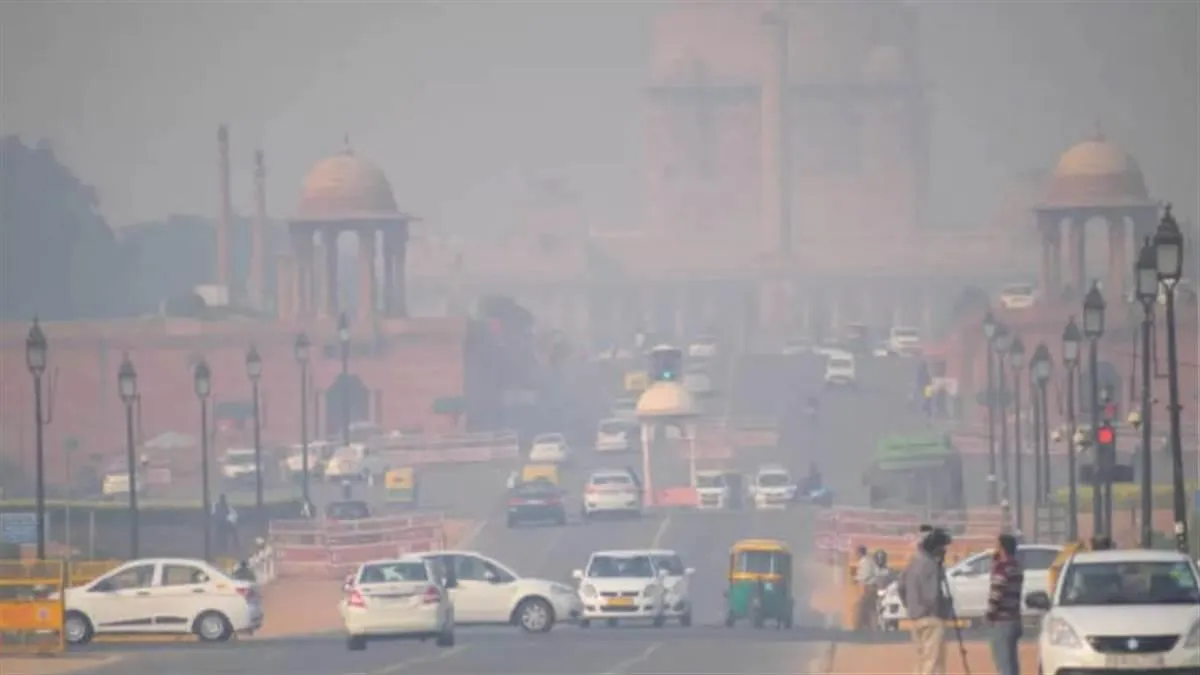
As air pollution continues to choke the National Capital Region (NCR), doctors are sounding alarms about an emerging health threat beyond the lungs: rheumatoid arthritis (RA). At the annual conference of the Indian Rheumatology Association, experts warned that the city’s pervasive smog and fine particulate pollution may be triggering autoimmune responses that inflame joints, intensify pain, and accelerate disease onset—even in people without genetic risk.
Traditionally viewed as a disease rooted in immune dysfunction and hereditary predisposition, RA is now being increasingly linked with environmental triggers. Recent clinical observations suggest that patients living in heavily polluted zones, especially Delhi and its suburbs, are reporting first-time joint pain, swelling, stiffness, and systemic inflammation—signals pointing toward rheumatoid arthritis.
Pollution as a Hidden Trigger
At the conference, rheumatologists presented data and case reports showing that many new RA patients in Delhi have no family history of autoimmune disease. Dr. Uma Kumar, Head of Rheumatology at a leading institute, noted: “When pollution levels spike, even those whose condition is otherwise stable see flare-ups. We are now seeing RA onset in younger individuals who live in high-pollution zones.”
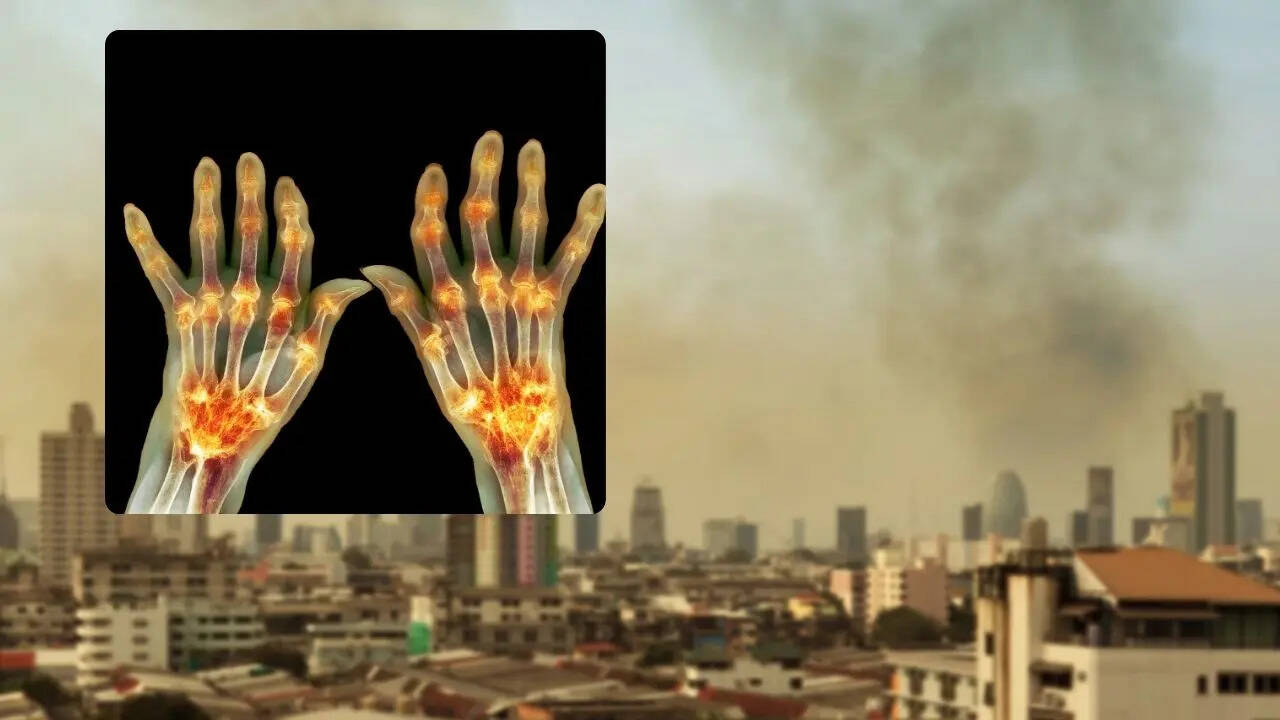
Studies in India and elsewhere increasingly support these clinical observations. A recent analysis cited in medical literature found that proximity to traffic corridors (a surrogate marker for pollutant exposure) is associated with a higher risk of developing RA. A two-sample Mendelian randomization study published in 2025 also uncovered causal associations between certain air pollutants—especially nitrogen oxides—and elevated risk of autoimmune diseases such as RA.
Experts believe that inhaled fine particulate matter (PM₂.₅), nitrogen dioxide (NO₂), and ozone can initiate chronic inflammation in lung tissues. Over time, this may lead to immune dysregulation and trigger autoantibodies that target joint linings. The phenomenon is sometimes described as “lung-primed autoimmunity,” where the respiratory exposure primes the immune system toward systemic damage.
Why Delhi Is Especially Vulnerable
Delhi’s air quality frequently breaches safe limits, driven by vehicular emissions, industrial output, construction dust, and seasonal crop residue burning. Even when overall pollution falls, background levels of PM₂.₅, NO₂, and ozone remain persistently high.
In such an environment, the relentless assault of pollutants may push susceptible immune systems over the edge. The risk is compounded in densely populated areas, where exposure is constant and residents often lack mitigations like air purification. Many patients in Delhi-NCR are found to live near major roads or industrial belts, amplifying their exposure. Dr. Pulin Gupta, a senior rheumatologist, warned that the severity of disease in these pollution-associated cases tends to be higher and more resistant to standard treatment.

What This Means for Patients & Public Health
This emerging link has profound implications:
- Early screening: Residents in polluted zones presenting with unexplained joint pain should be evaluated early for RA.
- Preventive measures: Use of air purifiers, avoiding outdoor activity during high pollution days, and shielding indoor air may reduce risk.
- Policy urgency: Pollution control is not just about respiratory health—it is now a potential tool to curb rising autoimmune diseases.
- Research needs: India must invest in longitudinal studies to clarify dose-response relationships, pollutant thresholds, and vulnerable populations.
While air pollution is long recognized as a cause of respiratory and cardiovascular disease, its connection to autoimmune joint disorders marks a new frontier in public health risk. With Delhi at the frontier of extreme pollution, the medical community is calling for urgent awareness, enhanced surveillance, and stricter environmental action to stem what may become a silent epidemic of joint disease.
Leave a Reply