
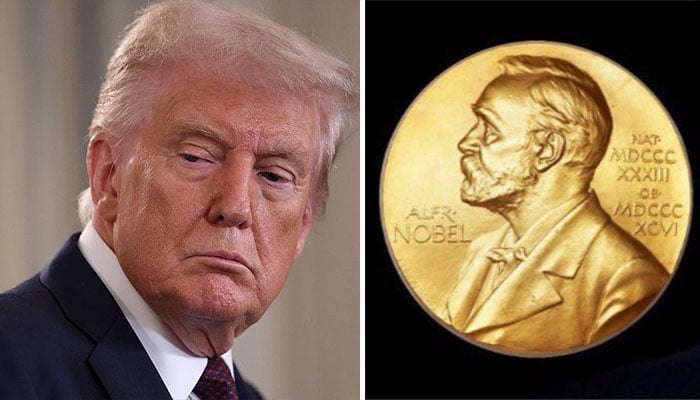
When the 2025 Nobel Peace Prize was announced, pundits and supporters alike had speculated about former U.S. President Donald Trump as a possible contender—especially following his role in mediating peace efforts in Gaza and his public claims of ending multiple conflicts. Yet the Nobel Committee chose María Corina Machado, a Venezuelan opposition leader, citing her long-standing dedication to democracy and human rights. The decision prompted intense debate over the criteria, timing, and meaning of the award—why Trump did not emerge victorious sheds light on the workings and values of the Nobel process.
Trump’s Case: Claims, Campaign and Timing
Over recent months, Trump himself and his allies repeatedly asserted that he merited the Peace Prize. He publicly claimed credit for mediating ceasefires, brokering a Gaza peace framework, and ending what he described as “seven wars.” Support came from various corners, including foreign leaders and media voices who nominated or campaigned for him. (He had been nominated earlier as well.)
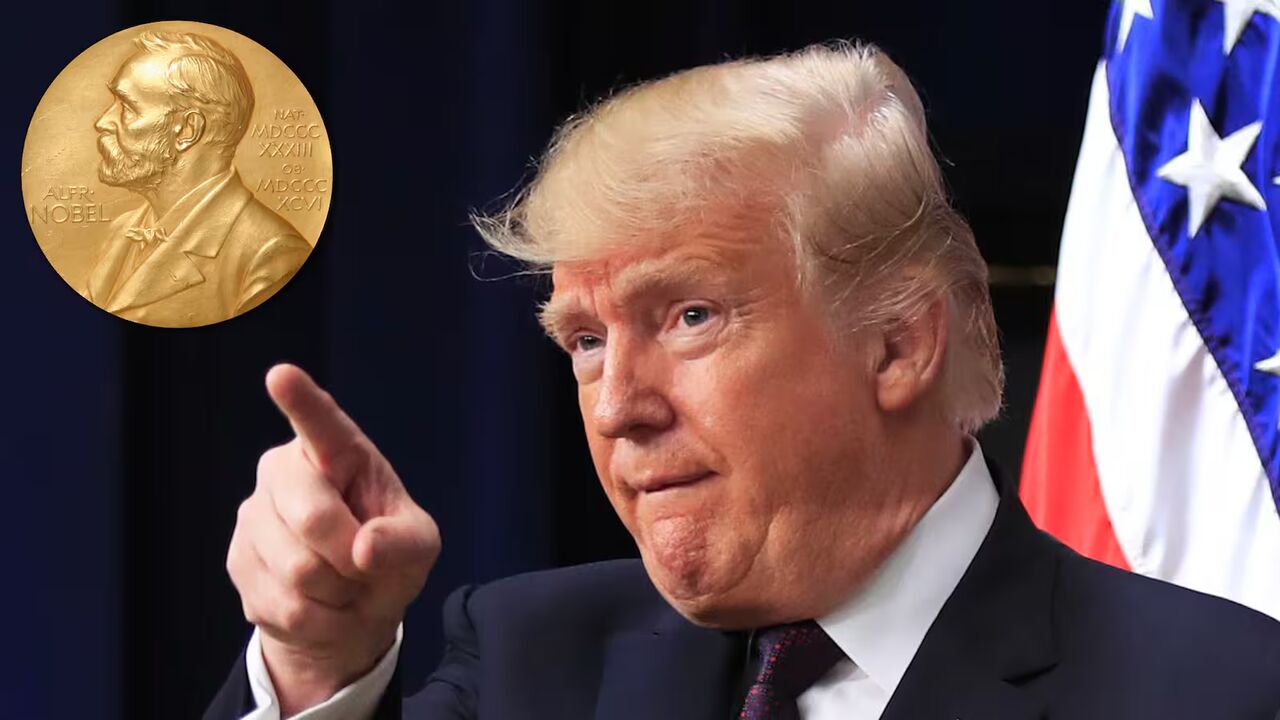
However, several experts and Nobel watchers argued that many of his claimed achievements occurred after the Nobel nomination deadline (January 31), which means they could not be considered in the formal evaluation for 2025.
Moreover, some of Trump’s interventions and statements were controversial or polarizing—support for certain geopolitical actors, unilateral decisions, and stances on international institutions drew criticism from observers who felt such policies strained global cooperation. Experts argue that the Nobel Committee looks for consistent, multilateral, transformative peace work rather than episodic or transactional diplomacy.
María Corina Machado’s Edge
María Corina Machado’s recognition was anchored in decades of civil activism, resistance under authoritarian pressure, and persistent advocacy for electoral democracy in Venezuela. The Nobel Committee highlighted her “tireless work promoting democratic rights” and her leading role in a democratic transition movement.
Unlike diplomatic breakthroughs of convenience, Machado’s struggle has been deeply rooted and personal—marked by legal bans, political persecution, and existential risk in her home country. The Nobel Committee’s decision appears to favour long-term moral courage over tactical peace deals.

The Nobel Committee’s Criteria and Independence
The selection process for the Peace Prize is famously opaque and insulated from external pressure. According to the Nobel Committee, decisions are based on merit, the Nobel will’s principle (which includes fraternity among nations, reduction of armed forces, peace congresses), and the integrity of the body’s internal deliberations—not on popular campaigns or self-promotion.
In fact, some analysts saw Trump’s own campaigning and loud rhetoric as a possible liability: the Committee generally shuns overt lobbying or media posturing, preferring quieter, less partisan candidates.
Additionally, experts pointed out pieces of Trump’s policy record — including withdrawal from global treaties, antagonism toward multilateral institutions, and provocative stances — may have undermined his appeal to those who weigh consistency, global cooperation, and institutional respect in judging peace efforts.
Implications and Reactions
For Trump, missing out on the prize despite vocal campaigning is likely to fuel further critiques of the Nobel process from his faction. For Machado and Venezuela’s opposition, the award is a major international validation of their cause and may bolster diplomatic pressure on Venezuela’s regime.
For observers and future candidates, the episode reinforces that Nobel recognition depends less on dramatic, headline-grabbing deals and more on sustained, principle-driven work that aligns with the Nobel ethos. The 2025 Peace Prize sends a message that peace awards still deeply value moral consistency, democratic rights, and durable struggle over short-term deals.
In the end, Trump’s exclusion underscores the Nobel Committee’s independence — it did not bend to public clamor or powerful personalities. Instead, it selected a figure whose journey embodied peace under duress.