
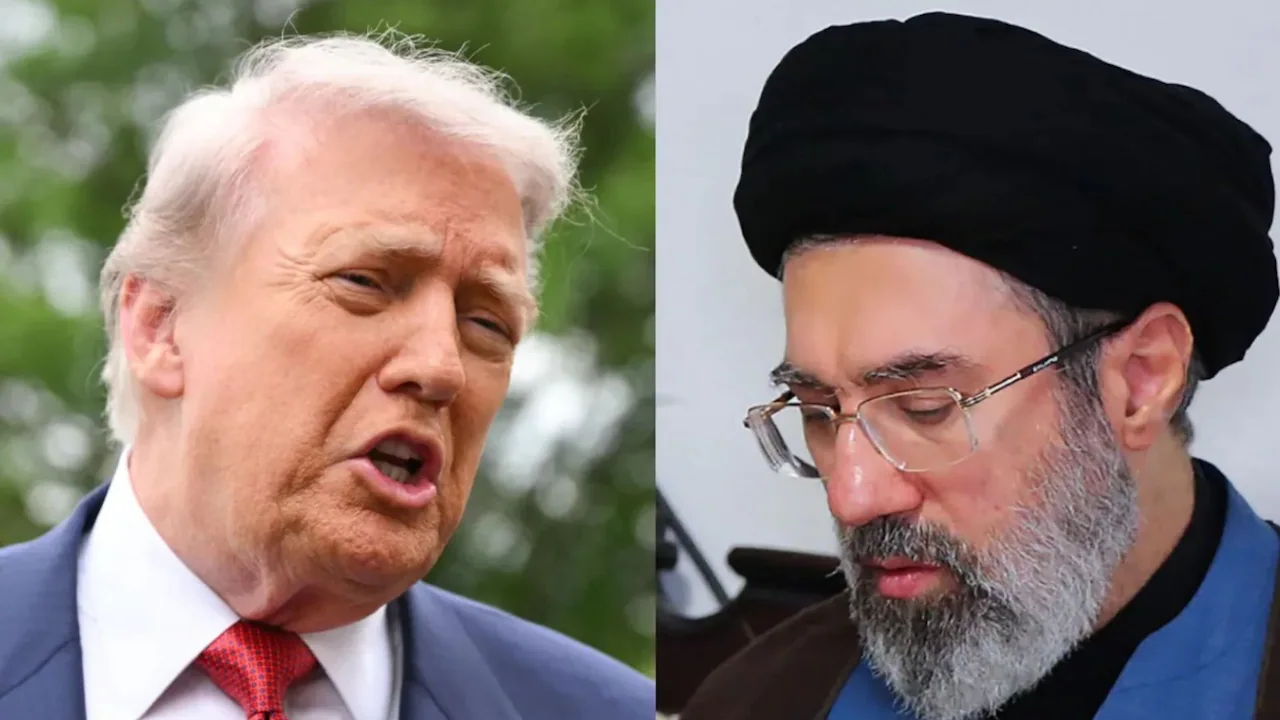
Tehran has proposed a seven-day roadmap to halt fighting, reopen the Strait of Hormuz and restart broader negotiations, but the plan faces a major hurdle after US President Donald Trump reportedly rejected the proposal. Iran, meanwhile, has indicated that it will not compromise on key aspects of its nuclear programme.
Iran’s latest diplomatic initiative has added a new dimension to the continuing confrontation with the United States, with Tehran seeking a rapid halt to hostilities and the reopening of the strategically important Strait of Hormuz.
Iranian Foreign Minister Abbas Araghchi said the proposal could set a seven-day process in motion if Washington agrees to the framework. Under the plan, the parties would move towards ending fighting across the region while taking steps to restore maritime traffic through the Strait of Hormuz.
However, the diplomatic effort has encountered resistance from Washington. Reports indicate that US President Donald Trump has rejected the proposal, while maintaining that Iran must meet stringent conditions concerning its nuclear programme.
The disagreement highlights the central obstacle in the negotiations: Tehran wants guarantees that preserve what it describes as its nuclear rights, while Washington has repeatedly insisted that Iran must not acquire a nuclear weapon.
Iran proposes seven-day roadmap
Iran presented its diplomatic initiative during the United Nations General Assembly in New York. The proposal was communicated to the United States through Qatari mediators, according to Iranian officials.
Araghchi said that if Washington demonstrates a willingness to reach an agreement, arrangements for reopening the Strait of Hormuz are already prepared.
Under the proposed framework, the reopening of the waterway would be linked to a pause in regional fighting. The plan also envisages broader discussions between the parties once the immediate military confrontation is reduced.
The Strait of Hormuz is particularly important because it is one of the world’s major energy shipping routes. Prolonged disruption to maritime traffic has affected oil flows and contributed to wider economic concerns.
Iran has also been engaging with regional countries, including Saudi Arabia, over issues surrounding the waterway, reflecting the importance of restoring stable commercial shipping.
Nuclear programme remains the biggest obstacle
Despite Tehran’s willingness to discuss a broader peace arrangement, Iranian officials have made clear that the country is not prepared to surrender what it considers its nuclear rights.
A senior Iranian official said Tehran would not accept concessions involving uranium enrichment or the removal of highly enriched uranium from Iranian territory.
This position directly conflicts with the US demand that Iran be prevented from developing nuclear weapons.
Trump has repeatedly stated that Tehran must never obtain a nuclear bomb. His position has made the nuclear issue a central component of any potential agreement between Washington and Tehran.
The dispute is therefore not simply about ending military operations. Any durable settlement would also have to address the long-running disagreement over Iran’s nuclear activities, sanctions, regional security and the future of economic restrictions imposed on Tehran.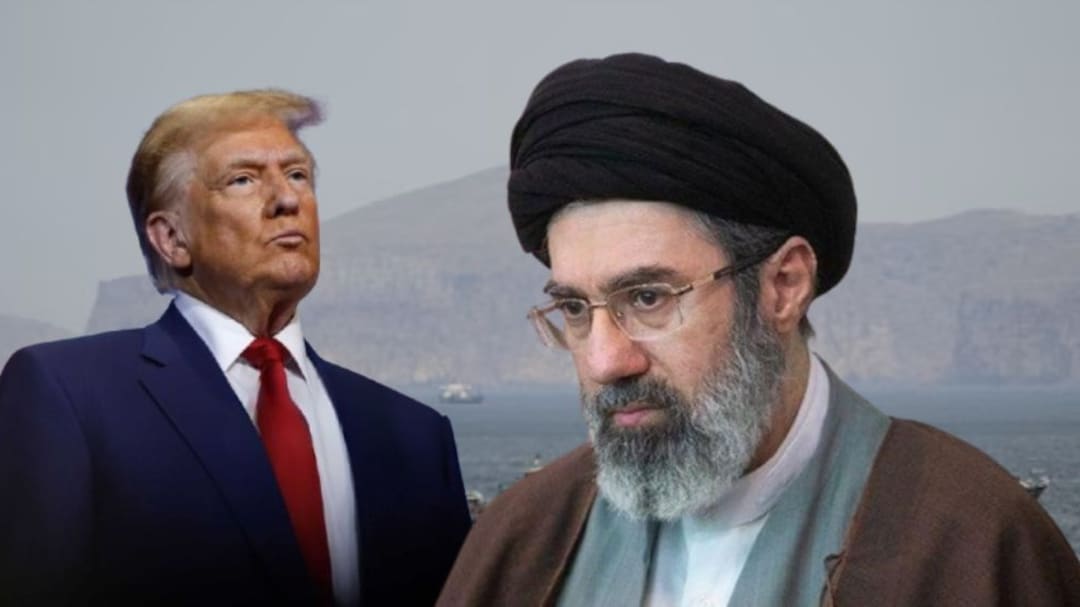
What Iran is offering in return
Iran’s proposed arrangement reportedly includes several measures that would require action from the United States.
According to the proposal outlined by Iranian officials, Washington would lift its blockade of Iranian ports, release frozen Iranian funds and ease or waive restrictions on Iranian oil exports.
In return, Tehran would move towards reopening the Strait of Hormuz and participate in discussions aimed at ending the wider conflict.
Iran has presented the framework as a possible route towards stopping hostilities across multiple fronts, including Lebanon.
The proposal comes after months of conflict and failed efforts to establish a lasting diplomatic settlement. Earlier negotiations had produced an understanding that created a limited period for the two sides to work towards a broader agreement, but the process did not result in a final nuclear deal.
Trump maintains pressure on Tehran
Trump has continued to demand major changes from Iran while publicly expressing interest in reaching a settlement.
Recent US statements have indicated that Washington remains opposed to any arrangement that could leave Iran with the ability to develop a nuclear weapon.
At the same time, reports have suggested that Trump has privately questioned whether Tehran would accept the conditions demanded by his administration.
The US position has created uncertainty over whether the latest Iranian proposal can become the basis for renewed negotiations or whether the conflict will move towards another escalation.
Reports also indicate that Trump has discussed the possibility of renewed military action after the US midterm elections if an agreement cannot be reached.
Strait of Hormuz adds economic pressure
The Strait of Hormuz has emerged as one of the most important issues in the conflict because of its role in international energy markets.
The narrow waterway connects the Persian Gulf with the Gulf of Oman and is a major route for oil and gas shipments. Any prolonged disruption can have consequences well beyond the Middle East, affecting energy prices, transportation costs and global markets.
Iran’s offer to reopen the strait therefore carries significance not only for the countries directly involved in the conflict but also for international trade.
The possibility of restoring maritime traffic could reduce some of the immediate pressure on global energy supplies. However, the future of the waterway remains closely linked to the broader security situation and the willingness of the United States and Iran to return to negotiations.
Diplomatic efforts continue despite differences
Although the latest proposal has faced resistance from Washington, diplomatic channels remain active.
Iran has used Qatar and other regional intermediaries to communicate with the United States, while officials on both sides have continued to discuss possible conditions for ending the conflict.
Earlier US officials had described mediated discussions as constructive, suggesting that communication between the two sides has not completely broken down.
The challenge now is whether those discussions can overcome the fundamental disagreement over Iran’s nuclear programme.
For Tehran, preserving its stated nuclear rights remains a major issue. For Washington, preventing Iran from obtaining a nuclear weapon remains a central condition for any settlement.
What happens next
The immediate future of the peace initiative depends largely on whether Washington is willing to reconsider the proposed framework and whether Tehran can address US concerns without abandoning its own demands.
A reopening of the Strait of Hormuz and a reduction in fighting could provide space for wider negotiations. But the nuclear issue remains unresolved, and both sides continue to hold substantially different positions.
The latest developments therefore leave the diplomatic process at a critical stage. Iran has put forward a specific timetable for reducing hostilities, while the United States continues to demand major guarantees over Iran’s nuclear programme.
Whether the two sides can bridge those differences will determine whether the latest initiative becomes the beginning of a wider peace process or another unsuccessful attempt to end the conflict.