
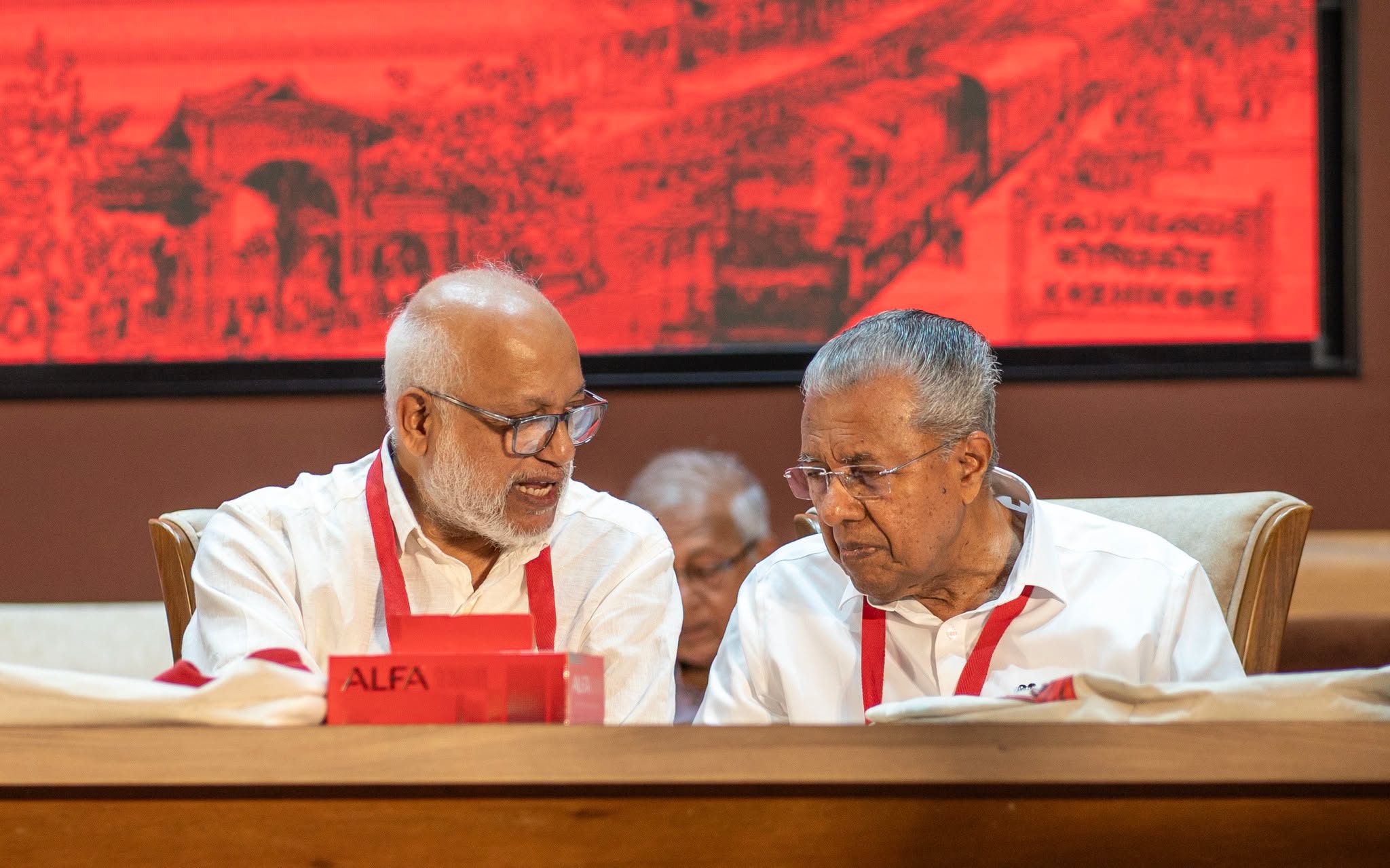
The Communist Party of India (Marxist) has concluded its extended state committee meeting in Kozhikode with a limited organisational reshuffle, while deciding against any major change in the party’s top state leadership. The meeting focused on reviewing the party’s performance in the 2026 Kerala Assembly election and discussing measures to strengthen its organisation following a major electoral setback.
The three-day meeting brought together more than 300 senior leaders, delegates and representatives of the party’s central leadership. Discussions centred on organisational weaknesses, political challenges, electoral performance and the need to strengthen the party’s connection with its grassroots workers and the wider public.
The CPI(M) suffered a significant setback in the 2026 Kerala Assembly election after spending a decade in government. Its representation in the state Assembly declined substantially, triggering an internal assessment of the party’s functioning, campaign strategy, candidate selection and organisational structure.
New Leaders Inducted Into State Secretariat
As part of the organisational changes announced after the meeting, three prominent leaders were inducted into the CPI(M) state secretariat.
The new entrants are P Jayarajan from Kannur, M B Rajesh from Palakkad and V Sivankutty from Thiruvananthapuram.
Jayarajan has played an important organisational role in Kannur, while Rajesh and Sivankutty have previously served as ministers in the Kerala government. Their inclusion brings experienced political leaders into the party’s key organisational body.
Rajya Sabha MP John Brittas is also expected to work closely with the state secretariat as the party moves forward with its organisational activities.
At the same time, LDF convenor T P Ramakrishnan and former Kerala finance minister T M Thomas Isaac were removed from the state secretariat.
Thomas Isaac had previously spoken publicly about the need for the party leadership to pay greater attention to concerns raised by party members and the public. His removal came against the backdrop of wider internal discussions about organisational accountability, communication and the party’s relationship with its grassroots workers.
More Space For Young Leaders And Women
The meeting also resulted in the inclusion of several younger leaders and women as permanent invitees to the state committee.
Among those included are SFI national president Adarsh M Sajeev, DYFI national leader Jaik C Thomas, SFI state secretary P S Sanjeev and SFI state president M Sivaprasad.
Other names include N Sukanya, MLA O S Ambika, Subaida Ishaque, DYFI state secretary M Vijin and writer Prabha Varma.
The move provides greater representation to younger political workers, women and leaders associated with the party’s student and youth organisations.
The inclusion of these leaders is also significant from an organisational perspective as the CPI(M) seeks to strengthen its next generation of leadership and maintain closer links with its student and youth wings.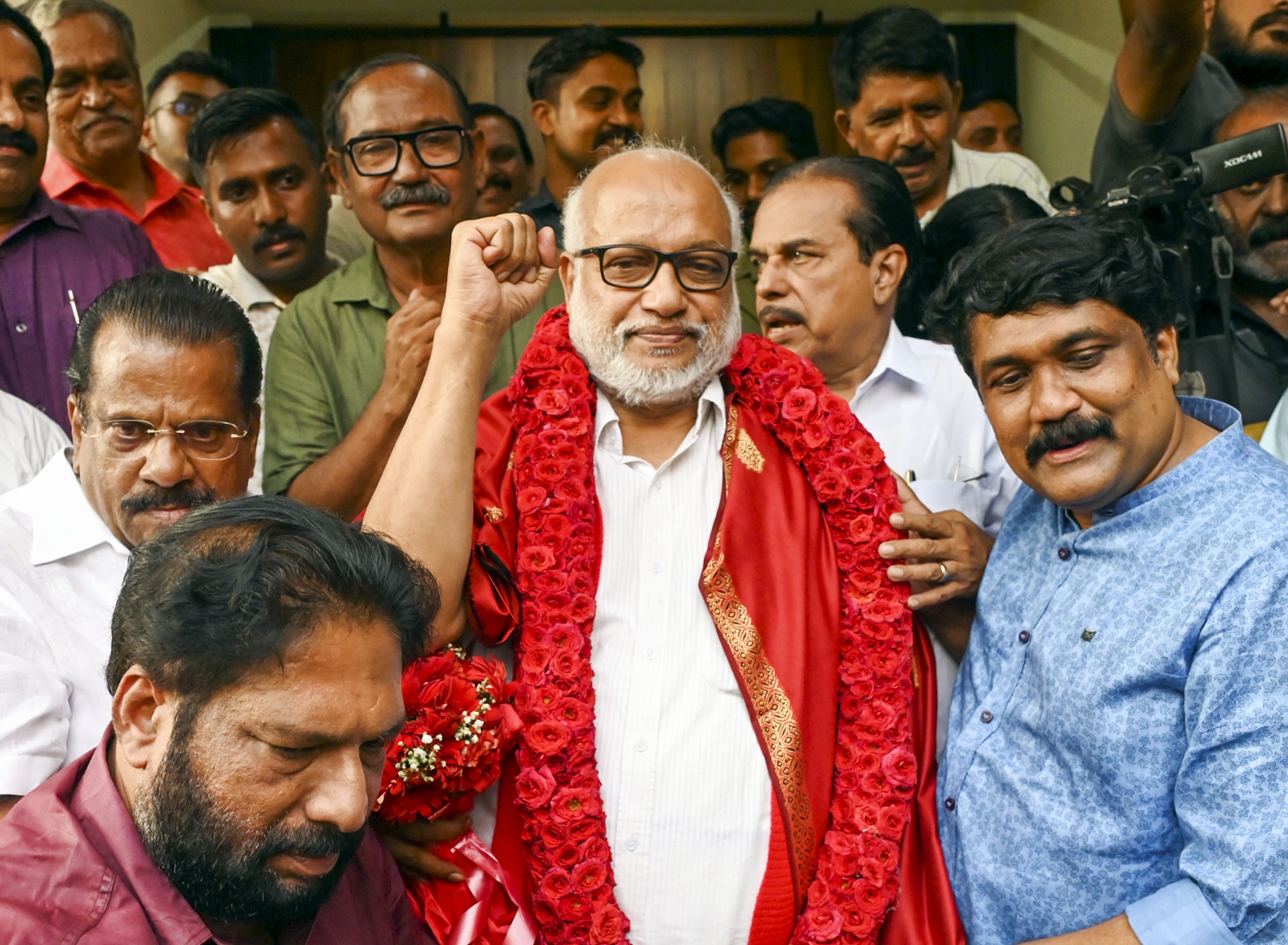
Election Defeat Prompts Detailed Review
The Kozhikode meeting was held as part of the CPI(M)’s broader post-election review following its performance in the 2026 Kerala Assembly election.
The party had begun assessing the reasons behind its electoral decline, with discussions focusing on several issues including candidate selection, campaign strategy, organisational functioning and the relationship between senior leaders and grassroots workers.
The election result created pressure for the party to undertake corrective measures and reassess its approach to political and organisational activities.
Despite expectations of possible changes at the highest level, the extended state committee meeting did not lead to a major overhaul of the party’s top state leadership.
CPI(M) state secretary M V Govindan announced the organisational decisions following the meeting.
The party’s discussions also focused on ways to rebuild its organisation and improve communication between its leadership and cadre.
Defeats In Traditional Strongholds Discussed
The party’s performance in constituencies traditionally considered important to its organisational base was another major issue during the discussions.
The defeats in Payyanur and Taliparamba reportedly received attention during the meeting. These constituencies have historically been associated with the CPI(M)’s strong organisational presence in northern Kerala.
The discussions formed part of a broader examination of why the party experienced difficulties in areas where it had traditionally maintained considerable political influence.
Party leaders also considered the need to understand changing voter expectations and improve the organisation’s connection with different sections of society.
Three Political Resolutions Adopted
The extended state committee meeting adopted three political resolutions covering issues at the state and national levels.
One resolution dealt with the Enforcement Directorate’s investigation involving former chief minister Pinarayi Vijayan and MLA P A Mohammed Riyas. The CPI(M) described the investigation and actions by central agencies as politically motivated and decided to oppose them through political and legal means.
The matter is connected with the investigation into the CMRL-Exalogic issue involving Veena T, the daughter of Pinarayi Vijayan. Allegations connected with the case remain matters of investigation and political dispute and should not be treated as established findings of wrongdoing.
A second resolution called upon party workers to oppose policies introduced by the Congress-led United Democratic Front government in Kerala.
The CPI(M) criticised several policies of the state government and called for political mobilisation against what it described as measures that could affect public interests.
The third resolution focused on the policies of the Union government. The party called for protests against what it termed “corporate-Hindutva” policies and highlighted unemployment as an issue requiring greater political mobilisation.
Leadership Continuity Amid Organisational Changes
The outcome of the Kozhikode meeting combines leadership continuity with a limited organisational reshuffle.
While several leaders were moved in and out of the state secretariat, there was no major change at the top of the party’s state leadership.
The induction of P Jayarajan, M B Rajesh and V Sivankutty adds experienced political figures to the state secretariat. At the same time, the inclusion of younger leaders and women as permanent invitees expands representation within the party’s organisational structure.
The decisions indicate that the CPI(M) has chosen to make targeted organisational adjustments rather than carry out a wholesale leadership change following its election setback.
Focus On Rebuilding The Organisation
The immediate challenge for the CPI(M) will be to implement the corrective measures discussed during its internal review.
The party will need to address concerns related to grassroots organisation, communication with workers, candidate selection and its broader political outreach.
The electoral setback has also increased the importance of rebuilding the party’s organisational presence and reconnecting with voters across Kerala.
The Kozhikode meeting has therefore resulted in a combination of organisational restructuring and continuity in senior leadership. The coming months will show how effectively the party translates the decisions taken at the meeting into organisational and political activity across the state.