
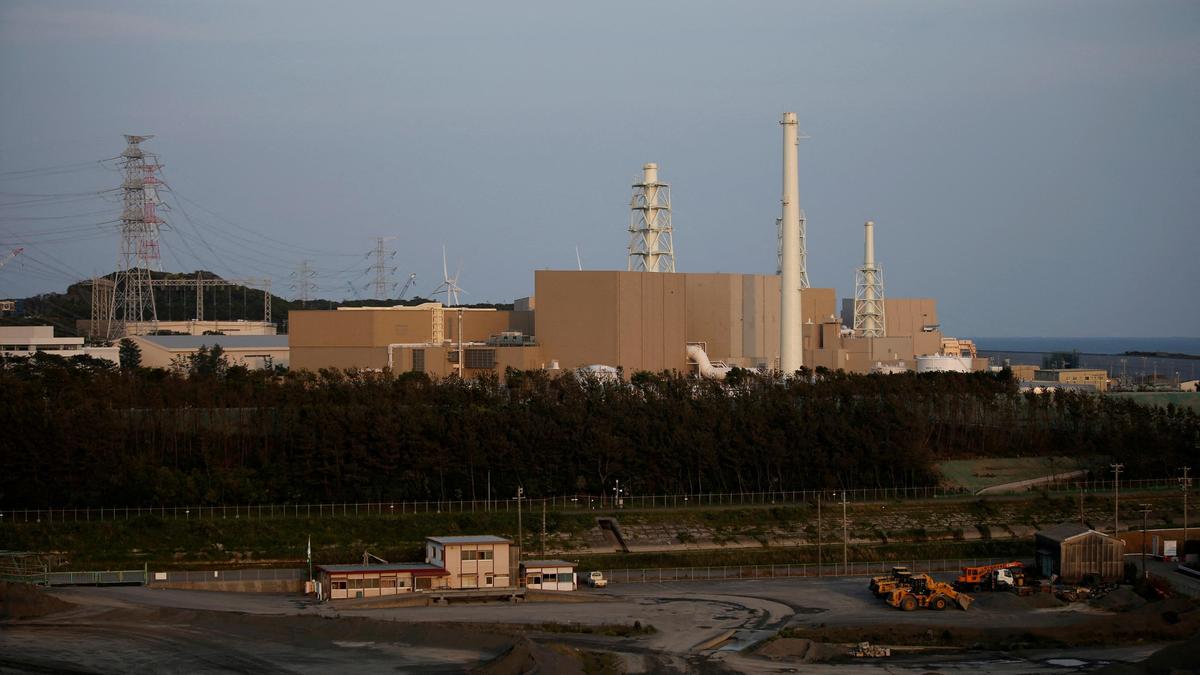
The head of Chubu Electric Power is expected to step down following a major data manipulation scandal involving the company’s Hamaoka nuclear power plant in Shizuoka Prefecture, Japan. The controversy has raised serious questions about the company’s handling of earthquake safety data and its efforts to secure regulatory approval for restarting reactors at the facility.
Chubu Electric President Kingo Hayashi is reportedly preparing to resign and take responsibility for the misconduct surrounding the nuclear plant’s seismic safety assessments. Chairman Satoru Katsuno has also indicated that he intends to leave his position, putting the company’s top leadership under significant pressure.
The leadership changes come as an external investigative committee prepares to release its findings into the data scandal. Chubu Electric received the committee’s report on September 11 and is expected to explain the findings and the management’s response at a press conference.
Hamaoka nuclear plant at the centre of controversy
The scandal concerns the Hamaoka nuclear power station in central Japan, where Chubu Electric has been seeking approval to restart reactors No. 3 and No. 4.
The reactors have remained offline while the company has gone through the regulatory process required for their potential restart. As part of that process, Chubu Electric submitted technical information concerning the possible impact of earthquakes on the facility.
The controversy centres on so-called “design basis ground motion”, a key measure used when determining how much seismic force a nuclear facility should be designed to withstand. Investigators have been examining allegations that earthquake vibration data was handled improperly, including the selection of data that could make the expected seismic impact appear lower.
Such information is critical to nuclear safety because regulators rely on it when assessing whether reactors and related structures can withstand severe earthquakes.
Allegations of manipulated seismic data
The issue came to wider attention after questions were raised over the way Chubu Electric had handled earthquake-related information during the safety review process.
The company has been accused of selecting or processing seismic data in a manner that underestimated possible earthquake vibrations at the Hamaoka facility. The allegations have prompted concerns over whether the information provided during the regulatory examination accurately reflected the potential risks facing the plant.
The controversy is particularly significant because Japan is highly exposed to earthquakes, and nuclear facilities are subject to strict safety requirements designed to protect against extreme seismic events.
Reports have indicated that the questionable practices may date back to at least 2012. The long period involved has intensified scrutiny of the company’s internal controls and management oversight.
Chairman also expected to step down
Hayashi is not the only senior executive facing pressure over the scandal. Chairman Satoru Katsuno has also expressed an intention to resign.
Katsuno served as Chubu Electric’s president before becoming chairman and has remained one of the company’s most senior decision-makers. His possible departure, along with Hayashi’s expected resignation, represents a major leadership shake-up for the utility.
The two executives are expected to take responsibility following the release of the investigation report. Their departures would underline the seriousness with which the company is treating the findings and the concerns surrounding the integrity of the nuclear safety review process.
Investigation report to shape next steps
Chubu Electric has commissioned an investigation by external lawyers to examine how the data irregularities occurred and how the issue was handled internally.
The investigation is expected to shed light on when the inappropriate practices began, who was involved, how the information was processed and whether senior management was aware of the problem.
Another major concern is the company’s response after regulators began examining the matter. Reports have indicated that questions were raised about whether attempts were made to conceal or minimise the issue after the regulatory authorities became aware of it.
The findings could therefore have implications beyond individual resignations, potentially affecting Chubu Electric’s internal governance, compliance procedures and relationship with Japan’s nuclear regulators.
Impact on Hamaoka reactor restart plans
The scandal could also have serious consequences for plans to restart the Hamaoka reactors.
Chubu Electric has been working to obtain regulatory approval for the restart of Units 3 and 4. However, concerns over the reliability of seismic data could complicate that process and potentially delay any future restart.
The company has been considering withdrawing its applications for the restart of the two reactors following the data scandal. Such a move would represent a major setback for its nuclear power strategy.
Any decision on the reactors is likely to depend heavily on the findings of the investigation and the response of Japan’s nuclear regulatory authorities.
Wider concerns for Japan’s nuclear industry
The controversy comes at a sensitive time for Japan’s nuclear power sector. The country has been gradually seeking to increase its reliance on nuclear energy after the Fukushima Daiichi disaster of 2011, while simultaneously introducing and enforcing stricter safety standards.
Public confidence remains an important issue, particularly when nuclear operators are found to have provided inaccurate or incomplete information during safety assessments.
For regulators, the Hamaoka case could reinforce the importance of independent verification and stronger oversight of data submitted by nuclear operators. For energy companies, it highlights the potential consequences of weaknesses in internal compliance systems.
The leadership changes at Chubu Electric are therefore likely to be viewed not simply as an internal corporate matter but also as a significant development in Japan’s ongoing debate over nuclear safety and accountability.
Management accountability under scrutiny
The expected resignations also raise broader questions about corporate responsibility. In industries involving public safety, senior management is expected to ensure that technical information submitted to regulators is accurate, transparent and properly reviewed.
The Hamaoka controversy has placed particular attention on whether management systems were capable of detecting inappropriate practices and whether sufficient action was taken when concerns emerged.
The company’s forthcoming explanation of the investigation report will therefore be closely watched for details about the origins of the misconduct, the role of employees and managers, and the measures planned to prevent similar incidents.
The scandal could ultimately result in significant changes to Chubu Electric’s management structure and compliance framework as the company attempts to rebuild trust with regulators, employees and the public.
What happens next
Chubu Electric is expected to provide further details at its scheduled press conference, including the findings of the external investigation and the future of its senior management.
The company’s response will also be important for determining the future of the Hamaoka nuclear plant’s restart plans. Regulators are likely to examine the reliability of the revised data and the corrective measures introduced by the operator before considering any progress on the reactors.
The expected departure of Hayashi and Katsuno marks a significant moment for Chubu Electric as it confronts one of its most serious controversies in years. The company now faces the dual challenge of accepting responsibility for the data scandal and restoring confidence in its commitment to nuclear safety and regulatory compliance.