
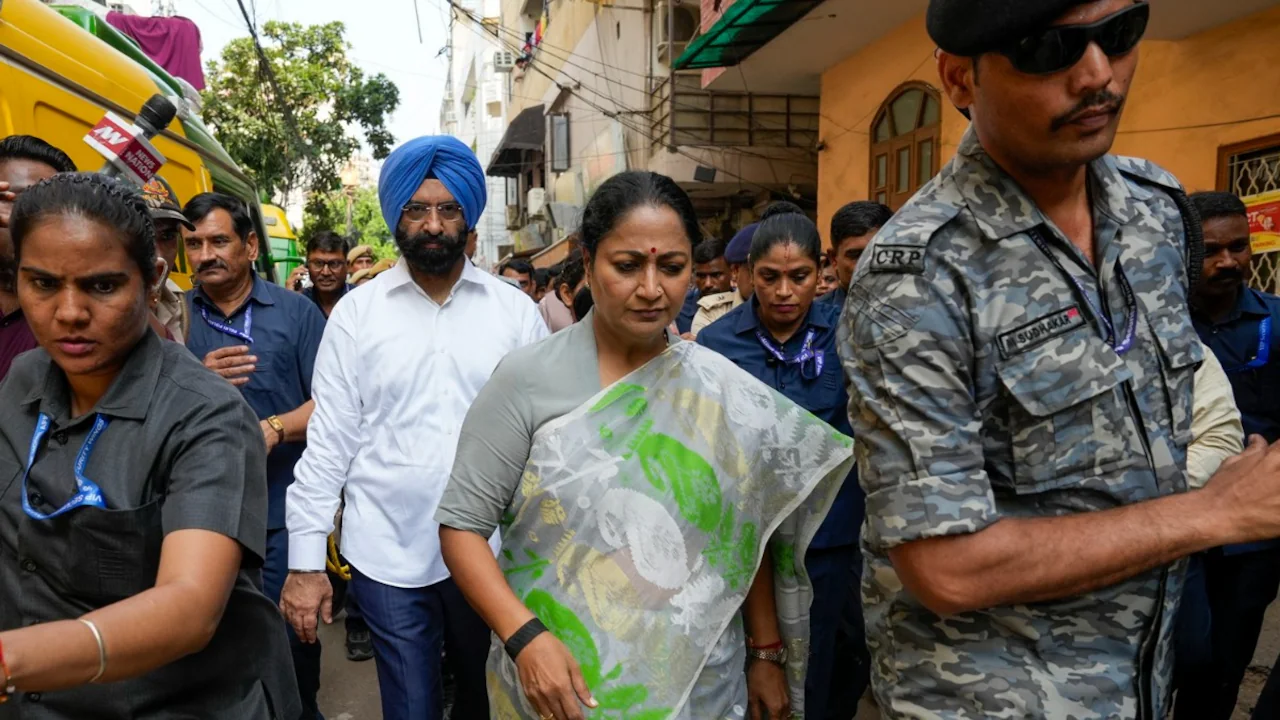
Delhi Chief Minister Rekha Gupta has directed the Municipal Corporation of Delhi (MCD) to launch an intensive crackdown on illegal construction across the national capital following the deadly collapse of a paying guest (PG) accommodation in Satya Niketan that claimed seven lives.
The chief minister has instructed civic authorities to identify buildings and structures where construction has been carried out in violation of approved plans or building regulations and initiate demolition action wherever necessary. The directive comes amid growing public concern over the safety of PG accommodations and other residential properties operating in densely populated areas of Delhi.
Gupta has also ordered senior MCD officials to remain present on the ground while enforcement operations are conducted. The move is intended to ensure that action against unauthorised structures is carried out under direct supervision and that officials remain accountable during the demolition drive.
Intensive inspection of PG accommodations ordered
As part of the wider response, the Delhi government has directed authorities to conduct detailed inspections of PG accommodations across the city. Officials have been asked to identify illegal additions, unauthorised floors, structural alterations and other forms of construction that may compromise the safety of occupants.
The inspections are particularly significant because PG accommodations frequently operate from residential buildings that may have undergone modifications to accommodate a larger number of tenants. Such changes can involve additional rooms, partitions, floors or alterations to the original structure.
Authorities have been instructed to examine whether these modifications were legally approved and whether the buildings continue to comply with applicable safety and construction requirements.
The administration’s focus is not limited to one locality. The directions call for inspections across Delhi so that potentially unsafe structures can be identified before another major incident occurs.
Building records to be examined
The chief minister has also directed officials to examine relevant building records to determine when unauthorised construction took place and which authority had jurisdiction over the property at the time.
The record-checking exercise is expected to help authorities establish whether violations were carried out recently or had existed for a longer period without enforcement action. It could also help identify gaps in monitoring and clarify responsibility among different civic authorities.
Determining the history of illegal construction is important because unauthorised structural changes can remain unnoticed for years. In some cases, enforcement may involve multiple stages, including inspection, identification of violations, issuance of notices and subsequent demolition or other action as permitted under law.
Satya Niketan collapse puts building safety under scrutiny
The latest action follows the collapse of a PG building in Delhi’s Satya Niketan area, in which seven people died. The tragedy has intensified questions about the safety of buildings being used as accommodation facilities and whether structural and building regulations are being adequately enforced.
The incident has also renewed attention on the conditions under which paying guests, students, workers and other tenants live in densely populated parts of the capital.
PG accommodations can house a substantial number of people within relatively small buildings. When additional construction or structural modifications are undertaken without proper approval, concerns can arise over the building’s ability to safely accommodate the increased load and occupancy.
The Satya Niketan incident has therefore become a broader issue involving not only one building but also the regulation, inspection and safety oversight of similar properties across Delhi.
MCD officials asked to remain on the ground
The direction for senior MCD officials to personally oversee enforcement operations signals an attempt to strengthen accountability during the crackdown.
Rather than leaving demolition and inspection operations entirely to field-level teams, senior officials will be expected to monitor the process and ensure that directions are implemented effectively.
The approach could also help authorities respond more quickly to complications arising during inspections or demolition operations. At the same time, enforcement will have to be conducted in accordance with applicable legal procedures and regulations.
Wider questions over regulation of PG accommodations
The tragedy has brought renewed focus on the need for stronger regulation of PG accommodations in Delhi. A comprehensive system for registering, inspecting and monitoring such establishments could help authorities maintain better records and identify safety violations at an earlier stage.
Regular structural inspections, verification of approved building plans and checks on occupancy levels could form an important part of any broader safety framework.
The government’s latest instructions suggest that enforcement against illegal construction will be accompanied by closer scrutiny of PG properties. The objective is to identify potentially dangerous structures before they result in loss of life.
The issue is particularly important in areas where demand for affordable accommodation has encouraged the conversion of residential properties into high-occupancy PG facilities.
Crackdown likely to widen
With inspections being ordered across the city, the current enforcement campaign could extend beyond the immediate vicinity of Satya Niketan.
Officials will examine properties for unauthorised construction and determine whether violations warrant further action. Structures found to be in breach of regulations could face enforcement measures, including demolition where legally justified.
The government is also expected to face pressure to ensure that the crackdown does not remain limited to highly publicised cases. Consistent enforcement across different parts of Delhi will be crucial if the exercise is to address the wider problem of unauthorised construction.
For residents and occupants of PG accommodations, the campaign could also bring greater attention to basic questions of structural safety, occupancy and legal compliance.
The Delhi government’s latest directive marks a significant administrative response to the Satya Niketan tragedy. As inspections progress, the findings could determine the scale of illegal construction in PG accommodations and other residential properties and whether further regulatory measures are required to prevent similar incidents in the future.