
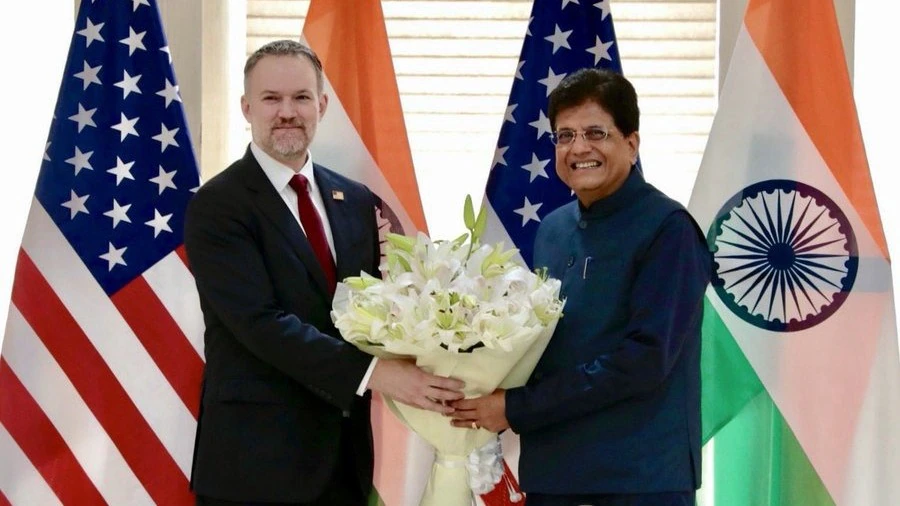
India and the United States are working toward a trade relationship that is fair, reciprocal and mutually beneficial, US Ambassador to India Sergio Gor said on Wednesday, signalling continued momentum in negotiations between the two countries.
Speaking at the 66th annual session of the Automotive Component Manufacturers Association of India (ACMA) in New Delhi, Gor said both governments were working closely to strengthen economic engagement and had made meaningful progress in discussions surrounding their bilateral trade framework.
“Our two governments are working closely together to build a trade relationship that is fair, reciprocal and mutually beneficial,” Gor said, emphasising the importance of creating greater opportunities for businesses in both countries.
His remarks come as New Delhi and Washington continue efforts to advance their bilateral trade agreement. The negotiations have focused on improving market access, addressing trade-related concerns and creating conditions that can encourage greater investment and commercial cooperation between Indian and American companies.
Piyush Goyal set to visit the US
Gor also confirmed that Commerce and Industry Minister Piyush Goyal is expected to travel to the United States toward the end of September to participate in the G20 Trade Ministers’ meeting.
The proposed visit is expected to provide another opportunity for Indian and US officials to discuss the bilateral trade agreement and work through outstanding issues. The two sides have already held several rounds of discussions and are seeking to build on the progress made so far.
Gor described the ongoing engagement as evidence of the broader improvement in bilateral economic relations, saying cooperation between India and the United States now extends considerably beyond traditional trade in goods.
He pointed to the growing partnership across areas including technology, investment, manufacturing, defence, pharmaceuticals, information technology and emerging sectors.
Focus on greater market access
A central issue in the trade discussions is market access. Gor said both countries should work toward an environment in which American suppliers and technologies can access the Indian market while Indian businesses are able to compete on fair terms in the United States.
The ambassador’s comments underline the importance Washington places on reducing barriers for US companies operating in India while also encouraging Indian companies to expand their presence in the American market.
For Indian businesses, particularly manufacturers and auto-component producers, the US market represents not only a major destination for exports but also an important location for manufacturing, research and development and distribution.
Gor encouraged Indian companies to consider expanding their operations in the United States, including through new manufacturing facilities, research centres and distribution networks.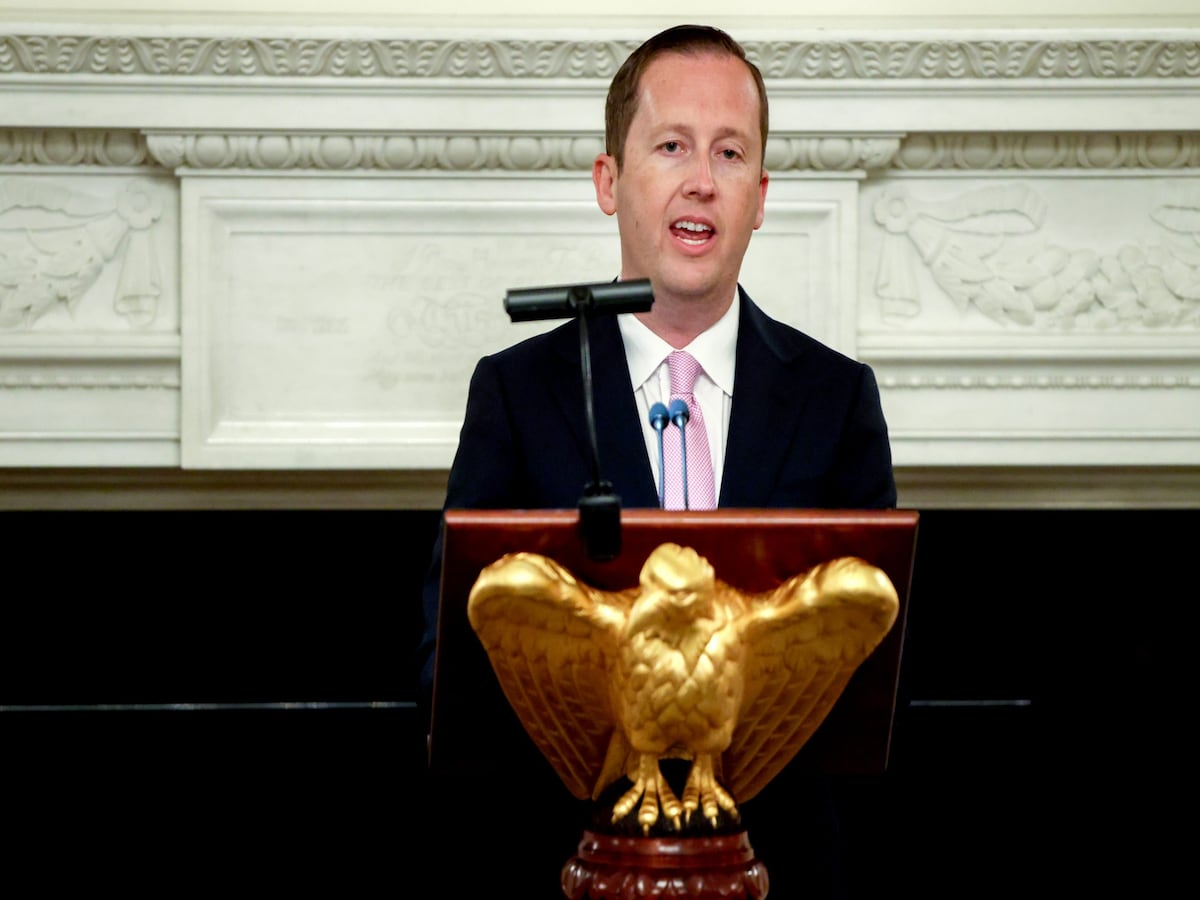
Automotive sector emerges as key area of cooperation
The automotive industry was highlighted as an example of how economic ties between India and the US are evolving.
According to Gor, the relationship between the two countries is no longer limited to the movement of components between markets. Companies from both countries are increasingly investing in one another’s economies, integrating production networks and cooperating on technology and manufacturing.
He said the development of resilient supply chains should be viewed as a practical economic requirement rather than simply a policy objective. Strong partnerships between trusted manufacturers in India and the US, he suggested, can help companies respond more effectively to disruptions in global supply chains.
Several major American companies have established significant operations in India’s automotive sector, while Indian companies have also expanded their manufacturing presence in the United States.
Gor cited investments by Indian companies such as Bharat Forge, Sundaram Clayton and Mahindra in the US as examples of the growing two-way investment relationship.
At the same time, American companies continue to invest in India’s automotive and manufacturing ecosystem. Gor referred to investments and operations involving companies such as Ford, Cummins, BorgWarner, Tenneco and Dana.
Ford’s investment plans for its Chennai facility, aimed at preparing the plant to manufacture next-generation engines for global markets, were cited as another example of the increasing integration between the two economies.
Trade relationship extends beyond goods
Gor stressed that the India-US partnership has developed far beyond conventional merchandise trade.
He described the two countries as partners across a wide range of sectors and said cooperation was expanding into areas involving technology, innovation, investment and strategic industries.
The ambassador also highlighted the Pax Silica declaration signed by India and the United States this year. He said the initiative could contribute to a more innovation-friendly regulatory environment and make it easier for companies from both countries to invest across borders.
The initiative is also expected to support entrepreneurs and businesses working on emerging technologies and strategic supply chains.
Encouraging Indian investment in America
Gor called on Indian companies to view the United States not simply as an export market but as a platform for international expansion.
He urged Indian manufacturers to explore opportunities to establish production facilities, research and development centres and distribution networks in the US.
Such investments, he said, could help Indian companies strengthen their international presence while contributing to closer integration between the industrial sectors of the two countries.
The growing number of Indian firms investing in American manufacturing is also being viewed as an important component of the broader economic relationship.
A wider economic partnership
The comments reflect a broader effort by India and the United States to deepen economic engagement at a time when global businesses are seeking more resilient and diversified supply chains.
Both countries have increasingly emphasised the importance of technology, manufacturing, investment and secure supply chains alongside conventional trade.
For India, improved access to the US market could provide additional opportunities for exporters and manufacturers. For the United States, stronger access to India’s large and growing market could create opportunities for American companies in areas ranging from industrial technology to advanced manufacturing.
The success of the ongoing negotiations will therefore have implications beyond tariffs and individual trade categories. A broader agreement could influence investment decisions, manufacturing strategies and the future direction of supply-chain cooperation between the two countries.
Gor’s latest remarks indicate that Washington and New Delhi remain engaged in efforts to resolve outstanding issues and establish a more predictable framework for bilateral commerce.
With Goyal expected to travel to the US later this month, the upcoming G20 trade meeting could provide an important setting for further discussions. The two governments will now look to convert the progress made in negotiations into concrete arrangements that can strengthen trade, investment and economic cooperation.