
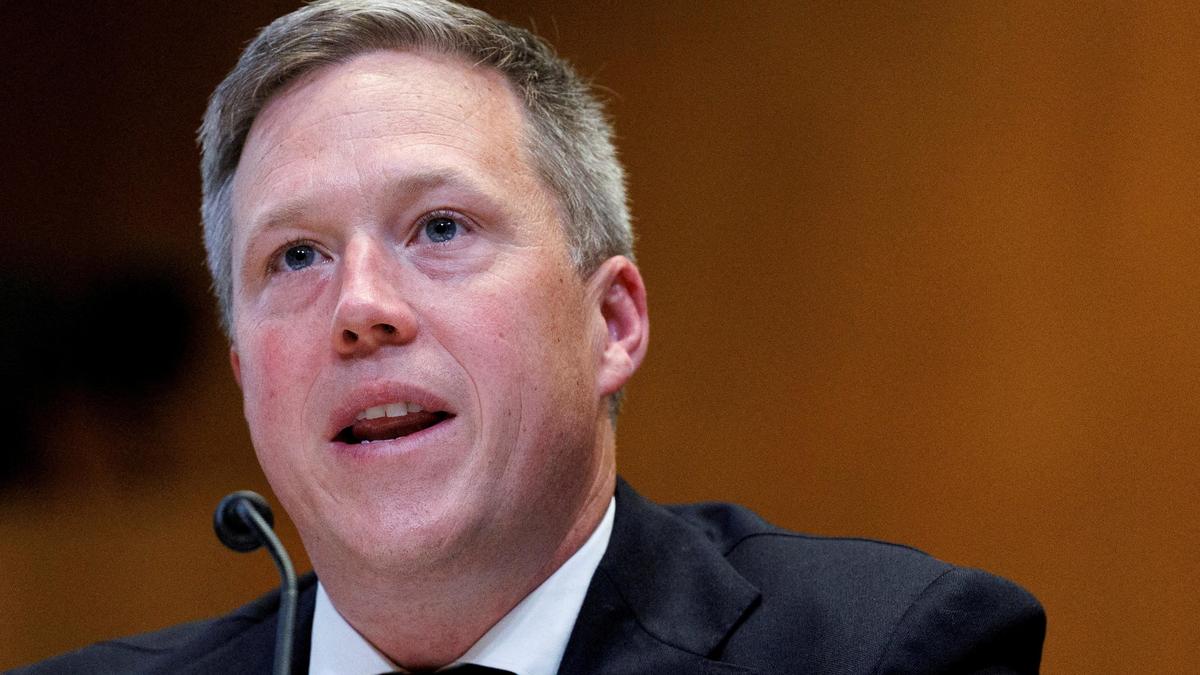
US Army Secretary Dan Driscoll is stepping down from his position after months of reported tensions with Defense Secretary Pete Hegseth, marking another major change in the Pentagon’s senior leadership at a particularly sensitive time for the American military.
The White House confirmed Driscoll’s departure after reports emerged that he had spoken with President Donald Trump about the condition and direction of the Army before submitting his resignation. While the administration did not publicly cite a specific reason for his decision, reports indicate that disagreements between Driscoll and Hegseth had grown increasingly serious over military leadership, personnel decisions, promotions and the future direction of the Army.
Driscoll’s resignation comes after roughly 18 months in office and adds to a broader period of instability among senior US military officials. His departure is particularly significant because the Army has already experienced substantial leadership changes, including the removal of senior officers during Hegseth’s tenure as Defense Secretary.
Why did Dan Driscoll resign?
The exact circumstances surrounding Driscoll’s resignation have not been fully disclosed publicly. However, several reports have pointed to a prolonged deterioration in the working relationship between the Army secretary and Hegseth.
The disagreements reportedly involved how the Army should be modernised, how senior military officers should be managed and whether certain personnel decisions were undermining the service’s ability to prepare for future conflicts.
Driscoll had pushed for an Army capable of adapting more quickly to technological changes and modern battlefield requirements. His priorities included improving military readiness, accelerating weapons acquisition and encouraging greater use of emerging technologies.
Hegseth, meanwhile, has pursued a sweeping restructuring of the Pentagon and has taken a more direct approach to military leadership and personnel decisions. The difference in approach reportedly became a source of friction between the two officials.
The situation became more difficult following the removal of senior Army leaders, including Gen. Randy George, who had served as Army Chief of Staff. Driscoll had worked closely with George, and the decision reportedly intensified concerns about the direction of Army leadership.
Disagreements over Army leadership
Personnel decisions were among the most contentious areas in the relationship between Driscoll and Hegseth.
Reports have indicated that Hegseth intervened directly in Army matters, including decisions concerning senior officers and promotions. Some Army officials reportedly viewed the pace and scale of leadership changes as disruptive, particularly while the United States was dealing with active military operations and significant global security challenges.
Driscoll had previously indicated that he intended to remain in his position despite reports of disagreements with Hegseth. His decision to resign therefore represents a significant change from his earlier public position.
The departure also illustrates how difficult it had become for senior officials with differing approaches to work within the current Pentagon leadership structure.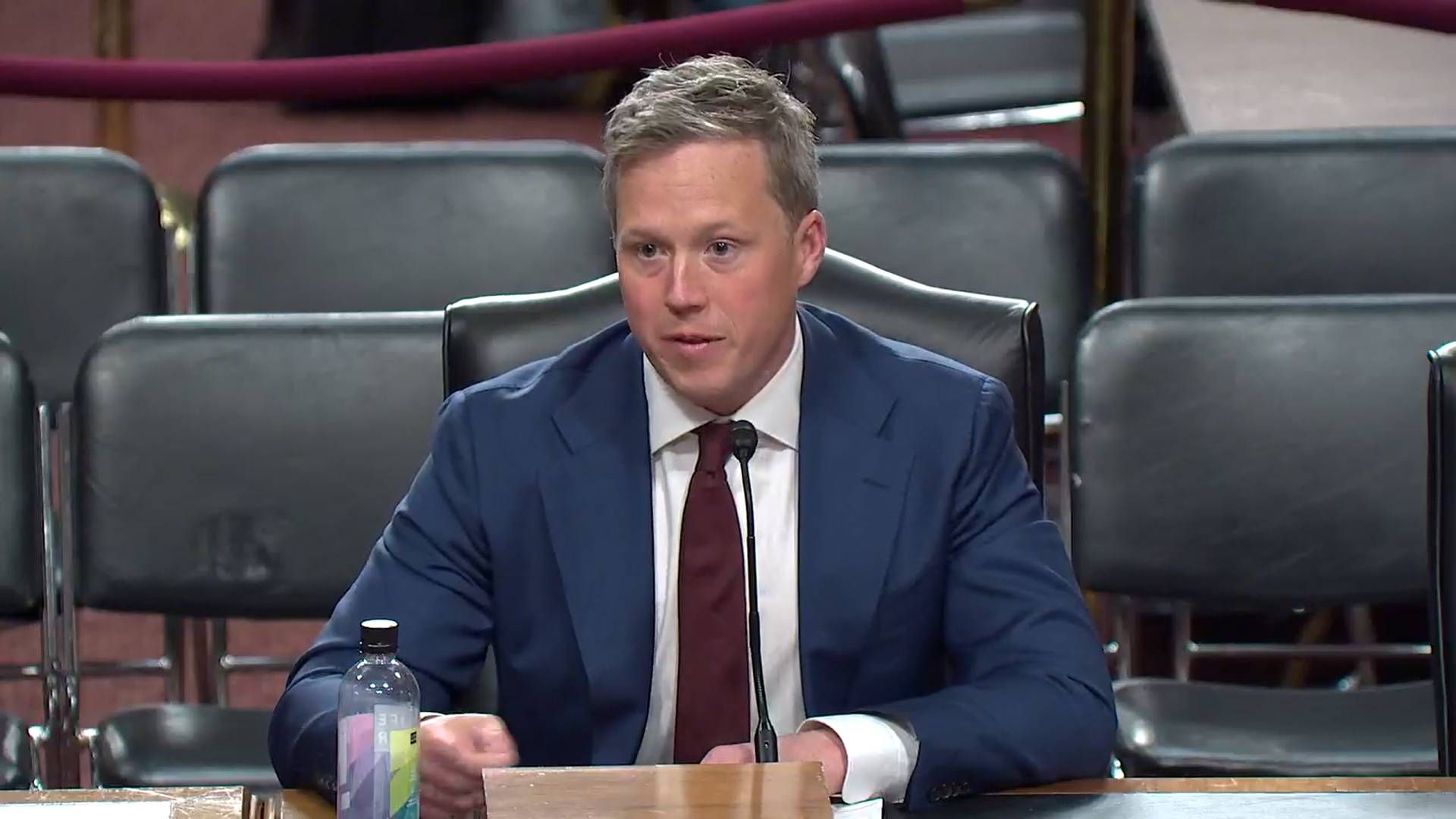
Driscoll’s approach to modernising the Army
Driscoll entered the Army secretary position with a background that combined military service, business and politics. A former Army officer and Iraq War veteran, he also had experience in the private sector and technology-focused investment.
During his tenure, he promoted efforts to make the Army more adaptable and technologically capable.
One area of emphasis was the development and adoption of new technologies, particularly systems that could help soldiers operate more effectively in increasingly complex battlefields. Modern warfare has placed greater importance on drones, autonomous systems, artificial intelligence, battlefield data and rapidly deployable weapons.
Driscoll also supported efforts to attract private investment for military innovation and infrastructure. His broader vision was aimed at reducing delays in traditional defence procurement and enabling the Army to respond more quickly to emerging threats.
His supporters regarded him as an energetic advocate for military modernisation and readiness.
His role beyond the Army
Driscoll’s influence extended beyond the traditional responsibilities of the Army secretary.
He became involved in diplomatic efforts surrounding the Russia-Ukraine conflict and assisted the administration in discussions aimed at finding a path toward ending the war.
The White House highlighted this work while praising his tenure. Officials also credited him with helping strengthen military readiness and maintaining the Army’s focus on operational effectiveness.
His close relationship with Vice President JD Vance also made him a notable figure within the administration. The two had known each other before entering the Trump administration, adding another dimension to Driscoll’s position within Washington’s political and national-security circles.
White House praises Driscoll
Although reports have focused heavily on his disagreements with Hegseth, the White House adopted a positive tone when discussing Driscoll’s record.
White House spokesperson Anna Kelly said Driscoll had been effective in advancing President Trump’s agenda at the Department of the Army. She highlighted his leadership during military operations, his emphasis on readiness and lethality and his involvement in diplomatic efforts concerning Russia and Ukraine.
The administration did not publicly accuse Driscoll of wrongdoing or describe his resignation as a dismissal.
That distinction is important because the departure follows a series of high-level personnel changes within the US military establishment.
A wider Pentagon leadership shake-up
Driscoll’s resignation is not an isolated personnel change.
The Pentagon has undergone significant turnover since the beginning of the Trump administration’s second term, with several senior military and civilian officials leaving their positions.
The Army has been particularly affected. Changes involving senior commanders and other officials have generated debate about the balance between civilian control of the military and the professional independence of military leadership.
The departure of Driscoll could therefore have consequences beyond the individual position. The Army now faces another transition at a time when the United States is engaged in major international security operations and confronting threats across multiple regions.
What happens next?
Driscoll’s departure creates another vacancy at the top of the Army’s civilian leadership structure. The administration will have to determine who should take over the position and how quickly a permanent successor can be installed.
The next Army secretary will inherit a service undergoing substantial transformation. Among the major challenges will be maintaining readiness, modernising weapons and technology, managing personnel, improving procurement and ensuring that the Army can respond to rapidly changing security threats.
The successor will also have to work closely with Hegseth and other Pentagon leaders, making the relationship between the new Army secretary and the Defense Secretary an important factor in determining the direction of the service.
What Driscoll’s resignation means for the US Army
Driscoll’s exit underscores the continuing uncertainty surrounding the future leadership and strategy of the US Army.
His tenure was marked by an emphasis on technological innovation, battlefield adaptability and military readiness, while the Pentagon under Hegseth has pursued broader institutional changes and a major reshaping of senior military leadership.
The reported conflict between the two officials highlights a fundamental question facing the Army: how quickly should the service transform itself, and who should control the pace and direction of that transformation?
For now, the administration has praised Driscoll’s contribution while preparing for another leadership transition. His resignation also leaves questions about whether the Army’s modernisation priorities will continue unchanged or be significantly altered under new leadership.
As the United States continues to face major security challenges, the stability and effectiveness of its military leadership will remain closely watched in Washington and beyond.