
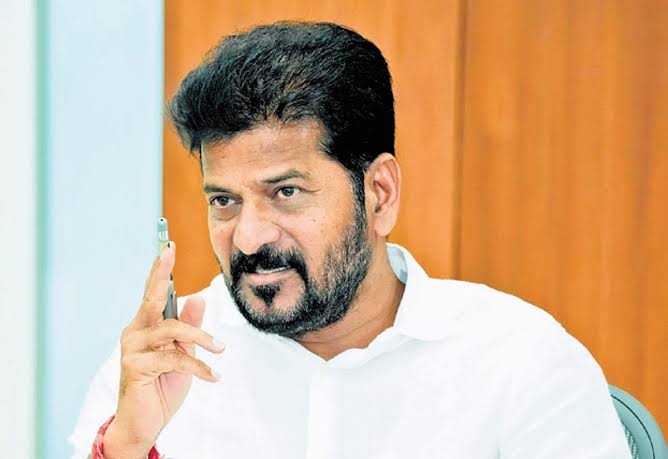
Telangana Chief Minister A Revanth Reddy has urged the Election Commission of India (ECI) to extend the deadline for filing claims and objections under the ongoing Special Intensive Revision (SIR) of electoral rolls by four weeks. He has argued that the existing timeline may not provide sufficient opportunity for eligible voters to verify their details, respond to notices and prevent the wrongful deletion of their names from the electoral rolls.
In a letter to Chief Election Commissioner Gyanesh Kumar, Reddy raised concerns over the scale of the electoral roll verification exercise and the large number of entries that have been placed under categories requiring further scrutiny. He said additional time and administrative arrangements were necessary to ensure that genuine voters were not excluded from the electoral rolls because they were unable to complete the verification process within the existing deadline.
73.39 lakh entries classified under ASDD categories
According to figures cited by the chief minister, Telangana had approximately 3.38 crore registered electors as of June 10, 2026. Of these, around 73.39 lakh entries, or approximately 21.7% of the state’s electorate, had been classified under the Absent, Shifted, Dead and Duplicate (ASDD) categories.
Reddy said the classification of such a large number of voters required careful scrutiny because the reasons for a person’s absence from a registered address can vary significantly.
Around 45.19 lakh of the entries in the ASDD category were reportedly classified as permanently shifted. The chief minister expressed concern that voters who had temporarily moved away from their registered residences could potentially face difficulties if their absence was treated as permanent relocation.
People frequently move between cities and villages for employment, education, business, family responsibilities and other reasons. Reddy argued that the verification process should therefore make a clear distinction between temporary absence and permanent relocation.
Nearly 93 lakh electors could require further verification
The chief minister also highlighted the number of enumeration forms that have been flagged during the revision exercise.
Of approximately 2.65 crore enumeration forms digitised so far, around 60.50 lakh were reportedly flagged because of anomalies. Another 32.36 lakh forms were identified as having no link with the earlier electoral roll.
According to the figures cited by Reddy, the two categories together account for approximately 92.86 lakh electors who could be required to establish their eligibility during the verification process.
The large number of potentially affected voters has raised concerns about whether citizens will have enough time to understand notices, collect the necessary documents and submit their responses.
Reddy has therefore sought an extension of the claims and objections period by four weeks. He has also requested that voters receiving verification notices be given three to four weeks to respond instead of the shorter period currently available.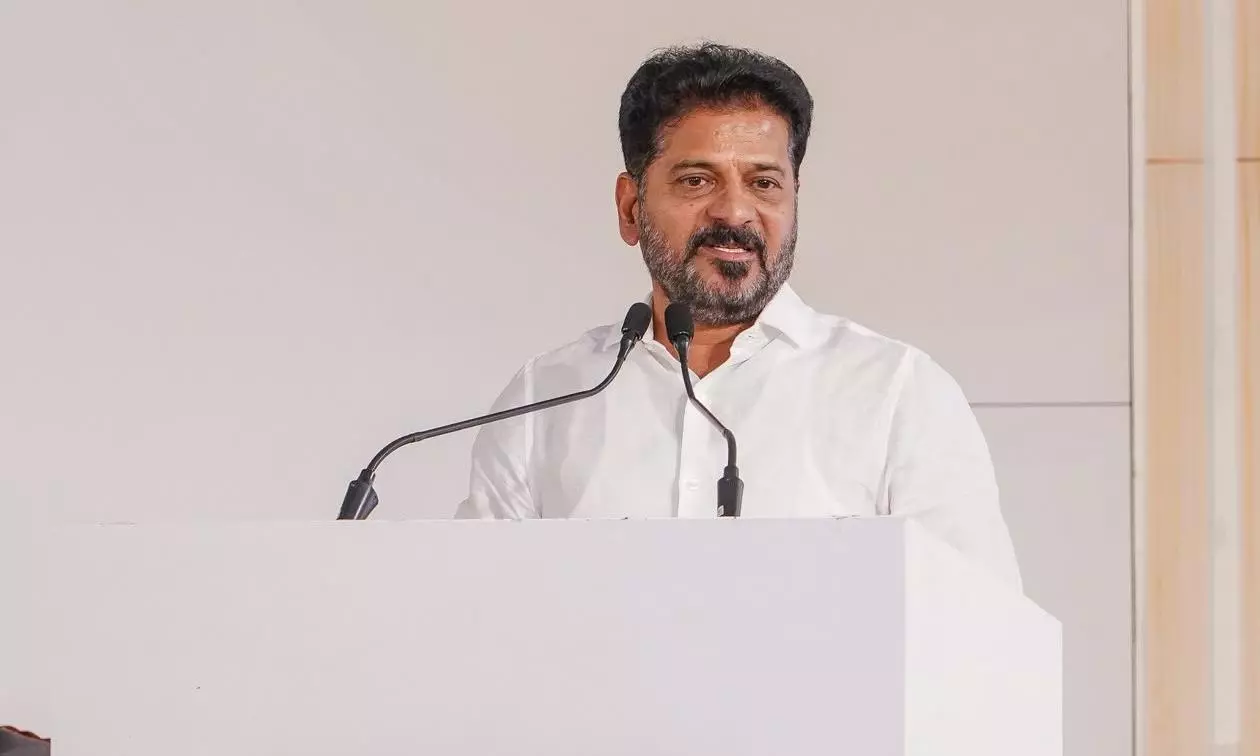
Hyderabad, Medchal-Malkajgiri and Rangareddy face major verification burden
The chief minister specifically pointed to Hyderabad, Medchal-Malkajgiri and Rangareddy districts, which together account for a substantial share of the entries requiring verification.
According to the figures cited in his letter, these three districts account for 58.6% of ASDD entries and 41.9% of verification notices.
The concentration of cases in these districts could place considerable pressure on electoral officials. The areas have large and highly mobile populations, with residents frequently changing addresses because of employment, education and other personal or professional reasons.
Reddy has argued that additional administrative resources should therefore be deployed in these districts to ensure that voters can participate effectively in the verification process.
Reddy proposes additional measures for voter verification
Apart from seeking a four-week extension, the chief minister proposed several measures to make the revision process more accessible to voters.
One of his suggestions was to conduct public readings of the draft electoral rolls through gram sabhas in rural areas and ward committee meetings in urban areas. He proposed that these meetings should be held at least twice in villages and municipal wards.
Such public verification exercises could provide voters with an opportunity to identify missing names, incorrect details or other discrepancies while there is still time to submit claims and objections.
Reddy also requested that voters who receive notices during the SIR process should be allowed three to four weeks to respond. He particularly highlighted the difficulties faced by daily wage workers, migrant labourers and other people who may not be able to immediately collect the required documents or travel to government offices.
Helpdesks proposed to assist voters
The chief minister has also called for the establishment of helpdesks, particularly in urban districts, to assist voters with the verification process.
These helpdesks could provide information about notices, explain the documentation requirements and guide voters through the process of filing claims or objections.
Reddy also urged the Election Commission to publish a broader and clearly defined list of acceptable documents that voters can use during verification.
He pointed out that some citizens may not possess documents currently considered acceptable and suggested that documents available at the mandal level should also be included in the list of admissible records.
The objective, he said, should be to ensure that genuine voters are not disadvantaged simply because they lack a particular document.
Demand for more Electoral Registration Officers
Reddy has further sought an increase in the number of officials handling the electoral revision process.
He proposed deploying additional Electoral Registration Officers (EROs) and allowing hearings on claims and objections to take place at a more decentralised level.
The proposal is particularly significant for Hyderabad, Medchal-Malkajgiri and Rangareddy because of the large number of cases requiring verification in these districts.
A decentralised hearing mechanism could reduce the workload on senior electoral officials while making the process more accessible to voters.
The chief minister has also assured the Election Commission that the Telangana government is prepared to provide logistical assistance for the exercise. This could include support for voter-awareness campaigns, helpdesks and mobilisation for gram sabha and ward committee meetings.
Concern over deletion of genuine voters
The central concern raised by the Telangana government is the possibility that genuine voters could be excluded from the electoral rolls because of the limited time available for verification.
The Special Intensive Revision is intended to improve the accuracy of electoral rolls by identifying duplicate, deceased, shifted and otherwise problematic entries. However, the process also requires adequate safeguards to ensure that eligible voters have an opportunity to prove their eligibility when their names are flagged.
Reddy has argued that the scale of the exercise makes the existing timeline inadequate. With millions of entries requiring additional verification, voters may need more time to understand their status, gather documents and submit claims.
The chief minister has therefore asked the Election Commission to extend the claims and objections period by four weeks and strengthen the administrative infrastructure supporting the exercise.
What happens next
The Election Commission will now have to consider the Telangana government’s request and decide whether the existing schedule should be extended.
The decision will be significant for voters whose names have been flagged or whose details require further verification. An extension would give citizens additional time to examine the draft electoral rolls, respond to notices and file claims or objections.
Reddy has maintained that the final electoral rolls should inspire confidence among voters and that no eligible citizen should lose the right to vote because of a lack of time, information or assistance during the verification process.
The debate over the revision has consequently placed the focus on balancing the need for accurate electoral rolls with the equally important requirement of protecting the voting rights of genuine electors.