
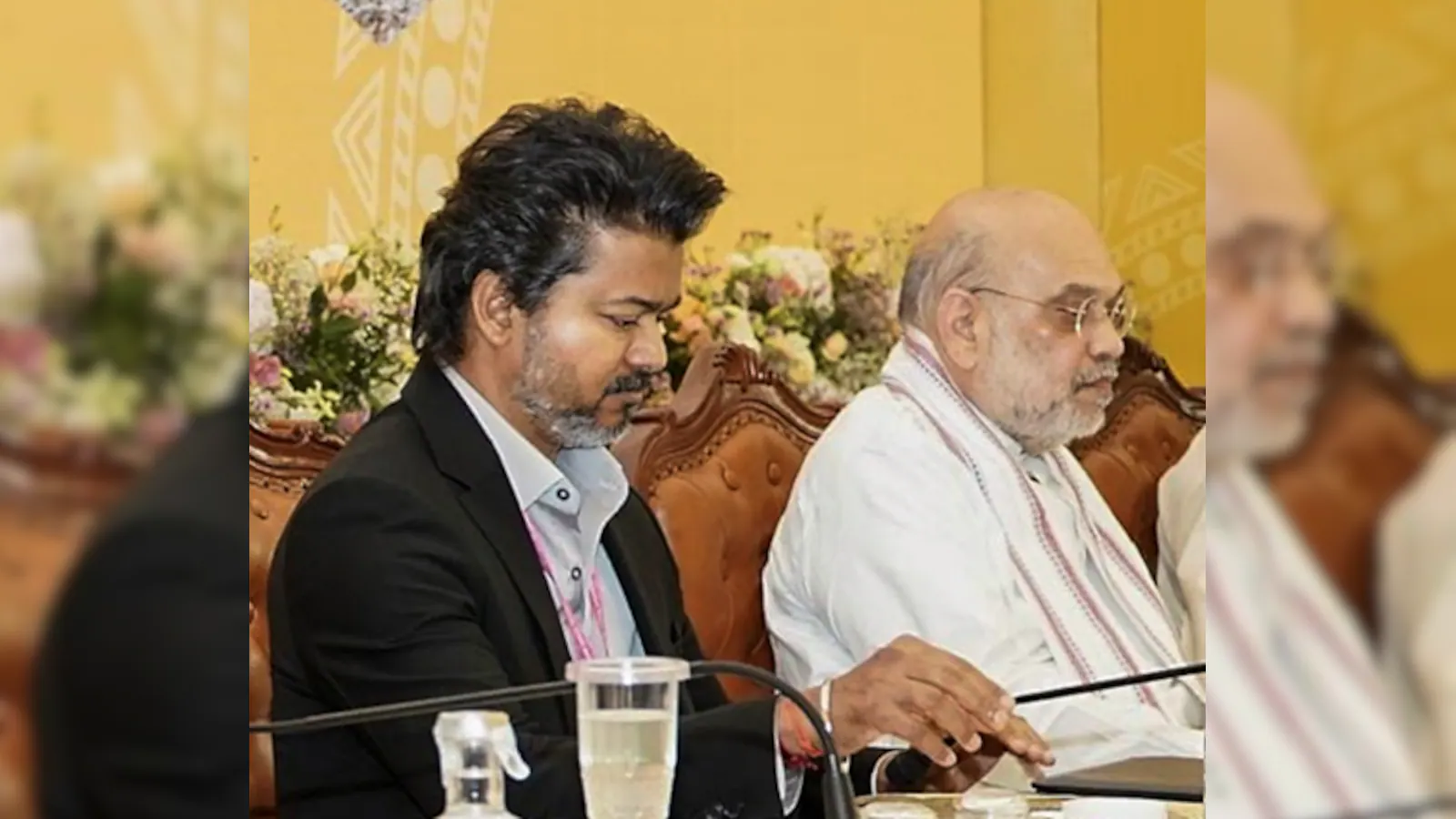
Tamil Nadu Chief Minister C. Joseph Vijay told Union Home Minister Amit Shah that the existing freeze on the allocation of Lok Sabha seats should continue, state Public Works Minister Aadhav Arjuna said in the Tamil Nadu Assembly on Friday, seeking to put an end to allegations that the state government had softened its position on delimitation.
Arjuna said Vijay had clearly conveyed during his interaction with Shah that Tamil Nadu remained committed to protecting its existing parliamentary representation. The clarification came after opposition parties questioned the chief minister’s remarks at the Southern Zonal Council meeting and alleged that he had diluted the state’s earlier demand for maintaining the present strength and distribution of Lok Sabha seats.
The controversy centres on the politically sensitive issue of delimitation, under which parliamentary constituencies are redrawn and seats may be redistributed between states based largely on population. Southern states, including Tamil Nadu, have expressed concern that a population-based exercise could reduce their relative representation because they have achieved lower population growth through decades of population-control and social-development policies.
Minister Clarifies Tamil Nadu’s Position
Speaking in the Assembly, Arjuna maintained that there had been no change in the Tamil Nadu government’s position. He said the state continued to stand by the resolution passed by the Assembly seeking to preserve the existing strength of the Lok Sabha at 543 seats.
According to the minister, Vijay had also communicated the same position during his meeting with Shah. The clarification was intended to counter criticism that the chief minister had moved away from the demand for a freeze after meeting the Union home minister.
The minister’s statement is significant because the issue has become a major political flashpoint in Tamil Nadu. Opposition parties have been questioning whether the chief minister’s approach during the Southern Zonal Council meeting represented a departure from the position adopted by the state Assembly.
Arjuna argued that there was no such shift and that the government’s objective remained the protection of Tamil Nadu’s political representation in Parliament.
Why Delimitation Has Become a Major Issue
The delimitation debate has acquired greater significance as the country approaches a fresh exercise to redraw parliamentary constituencies. For several decades, the allocation of Lok Sabha seats among states has remained frozen on the basis of an earlier population benchmark.
The arrangement was intended to ensure that states which successfully implemented population-control measures would not lose political representation as a consequence of their demographic performance.
Tamil Nadu and several other southern states have argued that rewarding population growth with greater parliamentary representation could create an unintended political disadvantage for states that invested in family planning, healthcare, education and economic development.
The concern is particularly strong in states such as Tamil Nadu, Kerala, Karnataka and Andhra Pradesh, where population growth has slowed considerably compared with several northern states.
Tamil Nadu’s political leadership has therefore maintained that the delimitation process must not penalise states for achieving national demographic objectives.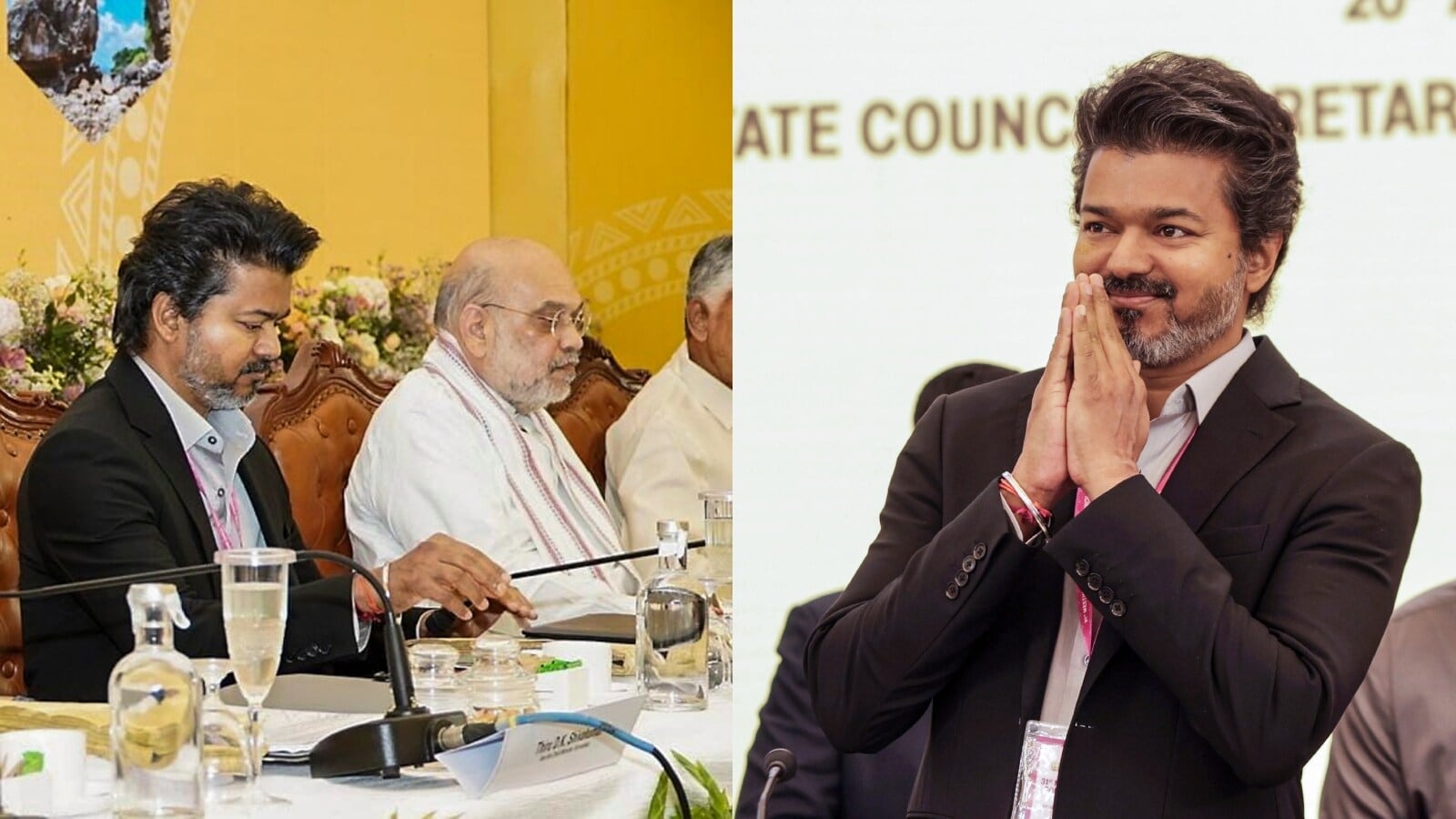
Vijay’s Remarks Triggered Political Debate
The latest clarification follows Vijay’s remarks at the Southern Zonal Council meeting, where he called for a legislative assurance that no state would suffer a reduction in its share of parliamentary representation because of successful population stabilisation.
Vijay said southern states had made significant contributions to population control, human development and economic progress. He argued that these achievements should not result in a reduction of their political voice in Parliament.
However, his formulation prompted criticism because it appeared less categorical than the earlier demand for a permanent freeze on the Lok Sabha’s strength at 543 seats and the existing distribution of seats among states.
Opposition parties seized on the difference in wording and accused the government of changing its position.
The controversy intensified because Vijay’s remarks came shortly after his meeting with Shah. Political opponents questioned whether the chief minister had adopted a more conciliatory approach towards the Centre on the delimitation question.
The state government’s latest clarification is aimed at making clear that the change in emphasis did not amount to a change in policy.
Political Stakes for Tamil Nadu
The delimitation issue carries substantial political implications for Tamil Nadu because parliamentary representation is closely connected to the balance of political influence between states.
Tamil Nadu currently sends 39 members to the Lok Sabha. Any future redistribution of seats based predominantly on population could alter the relative strength of different regions in Parliament.
Tamil Nadu’s argument is that parliamentary representation should reflect not only population but also the broader federal structure and the contribution made by states towards national objectives.
The state’s political parties have broadly expressed concern over any arrangement that could reduce Tamil Nadu’s proportional influence in national decision-making.
At the same time, some political voices have argued that an increase in the overall number of Lok Sabha seats could provide an alternative solution. Under such a model, the number of seats could be expanded nationally while ensuring that existing states do not suffer a reduction in their relative representation.
This has created an additional layer to the debate over how the next delimitation exercise should be structured.
Opposition Questions Government’s Approach
The DMK and other opposition voices have criticised the government over what they described as an apparent change in emphasis following Vijay’s meeting with Shah.
Their criticism centred on the fact that Vijay, while speaking at the zonal council meeting, focused on protecting each state’s existing percentage of representation rather than reiterating the demand for keeping the Lok Sabha permanently fixed at 543 seats.
The government, however, has rejected the suggestion that this represented a retreat.
Arjuna’s statement in the Assembly sought to draw a distinction between the wording used in Vijay’s public remarks and the government’s substantive position. According to the minister, the chief minister continued to support the demand that Tamil Nadu should not lose parliamentary representation because of its population-control achievements.
The clarification also seeks to prevent the delimitation debate from becoming a wider political confrontation between the state government and opposition parties.
A Larger Federalism Debate
At the heart of the dispute is a broader question about India’s federal political structure.
Population is an important factor in determining democratic representation, but states that have successfully controlled population growth argue that a purely population-based approach could create an unintended incentive for demographic expansion.
The debate therefore involves competing principles: equal representation based on population on one hand, and protection of the political interests of states that have successfully implemented national demographic policies on the other.
Tamil Nadu’s position is that any future delimitation framework should maintain the federal balance and ensure that states are not effectively penalised for meeting national development targets.
The issue is also likely to remain politically sensitive because any redistribution of parliamentary seats could have long-term consequences for the balance of power between northern and southern India.
What Happens Next
The immediate controversy may have been addressed by the minister’s clarification, but the larger delimitation debate is far from settled.
Tamil Nadu is expected to continue pressing for safeguards against any reduction in its parliamentary representation. The state government is also likely to seek broader support from other southern states that share similar concerns.
The Centre, meanwhile, faces the challenge of balancing demands for population-based representation with concerns raised by states that fear losing political influence.
Vijay’s clarification indicates that his government wants to maintain a firm position on protecting Tamil Nadu’s representation while engaging with the Centre through dialogue rather than confrontation.
The delimitation issue is therefore likely to remain an important political and constitutional question in the months ahead. For Tamil Nadu, the central demand remains clear: success in population stabilisation and development should not translate into a loss of political voice in Parliament.