
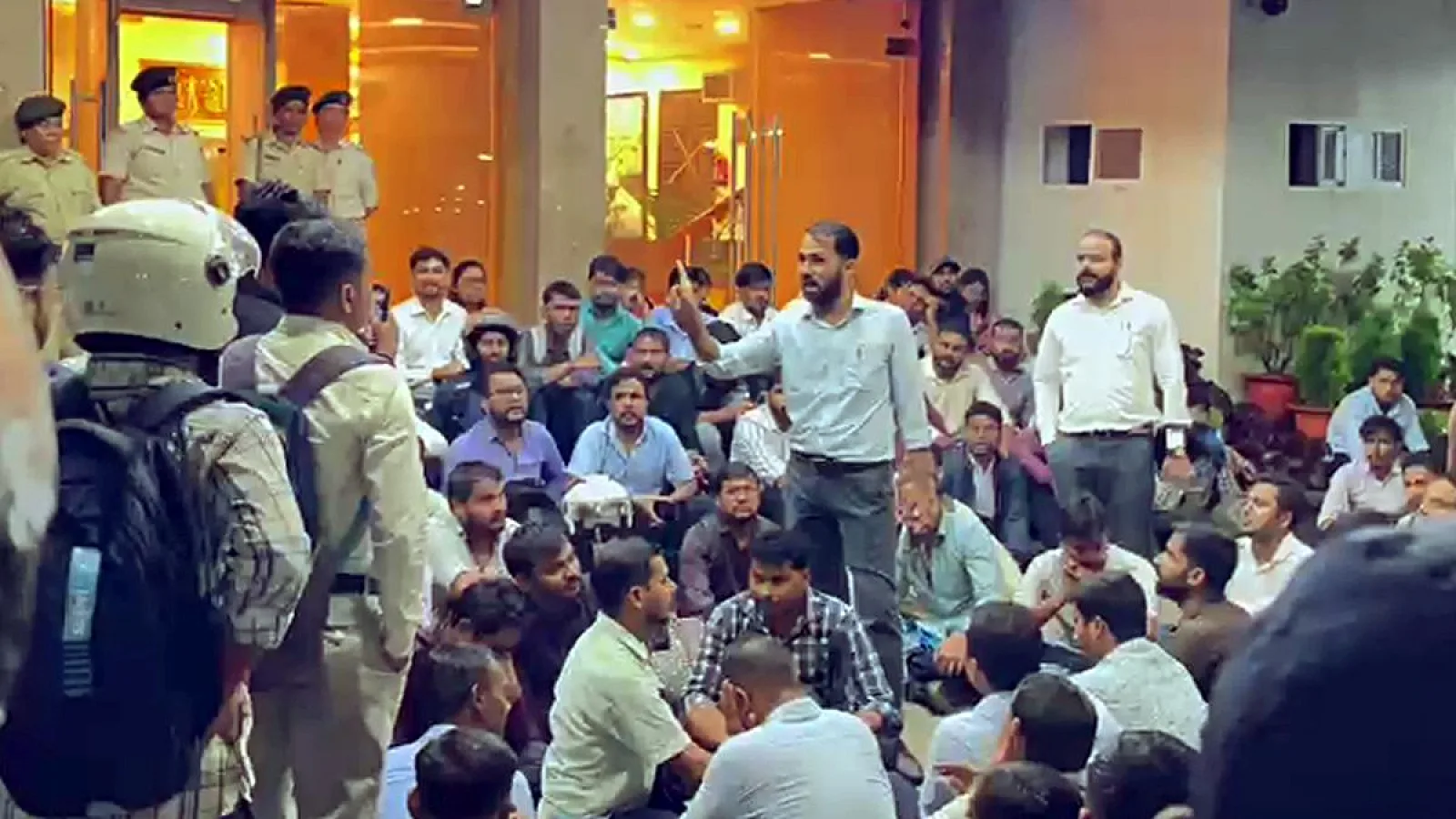
The Jharkhand government has cancelled 44 recruitment examinations conducted by state recruitment bodies and an outsourced examination agency, following weeks of student protests over alleged irregularities in government job examinations.
The decision marks a major escalation in the state government’s response to mounting concerns over the credibility, transparency and fairness of its recruitment system. The cancellations include the Jharkhand Staff Selection Commission’s Combined Graduate Level (JSSC-CGL) examination as well as several examinations conducted through the Jharkhand Public Service Commission (JPSC) and examinations handled by TSR Data Processing Pvt Ltd (TDPL) since 2014.
The government released the list of cancelled examinations through multiple notifications on Tuesday night. The examinations covered a wide range of government posts, including drug inspectors, assistant professors, deputy collectors, dental doctors, assistant engineers, civil judges, additional public prosecutors and forest range officers.
Other examinations included recruitment tests for lecturers in government polytechnics, senior scientific officers, assistant conservators of forests and various administrative and technical positions.
The move follows a prolonged student agitation in Ranchi, where aspirants had been demanding action over alleged malpractice and irregularities in the recruitment process. The protests had intensified in recent weeks, putting sustained pressure on the state government to address complaints regarding examination procedures and alleged misconduct.
JSSC-CGL cancellation becomes centre of controversy
One of the most significant decisions is the cancellation of the JSSC-CGL examination. The examination had already resulted in appointments to various government departments, making the government’s decision particularly consequential for candidates who had successfully cleared the selection process.
According to reports, around 2,000 candidates appointed through the JSSC-CGL process have expressed opposition to the cancellation. These candidates argue that an examination-wide cancellation could adversely affect people who obtained appointments through a legitimate selection process.
Several appointed candidates have maintained that they are not opposed to an investigation into suspected irregularities. However, they want authorities to distinguish between candidates allegedly involved in malpractice and those who were selected on merit.
The issue has therefore created a second layer of tension. While protesting students have welcomed the cancellation as a response to alleged irregularities, candidates who already secured government jobs through the examination are concerned about the impact on their employment.
The dispute could now move into the legal arena, with affected candidates indicating that they may challenge the cancellation.
Government orders wider examination review
The state government’s action extends beyond the JSSC-CGL examination. It has decided to cancel examinations and related processes associated with TDPL dating back to 2014.
The government has also ordered a broader examination of recruitment procedures conducted over the years. The stated objective is to identify irregularities and strengthen the system through institutional reforms.
The decision followed complaints concerning examinations conducted by JPSC and processes executed through TDPL, along with information that emerged during the investigation by the state Criminal Investigation Department (CID).
The government has also announced several administrative measures aimed at improving the recruitment framework.
Among the proposed measures is a request to the High Court to establish a fast-track court for cases concerning alleged irregularities and misconduct in JPSC and JSSC examinations. The move is intended to ensure that cases involving examination-related wrongdoing are dealt with more quickly.
An internal monitoring or vigilance mechanism is also being planned within both recruitment commissions.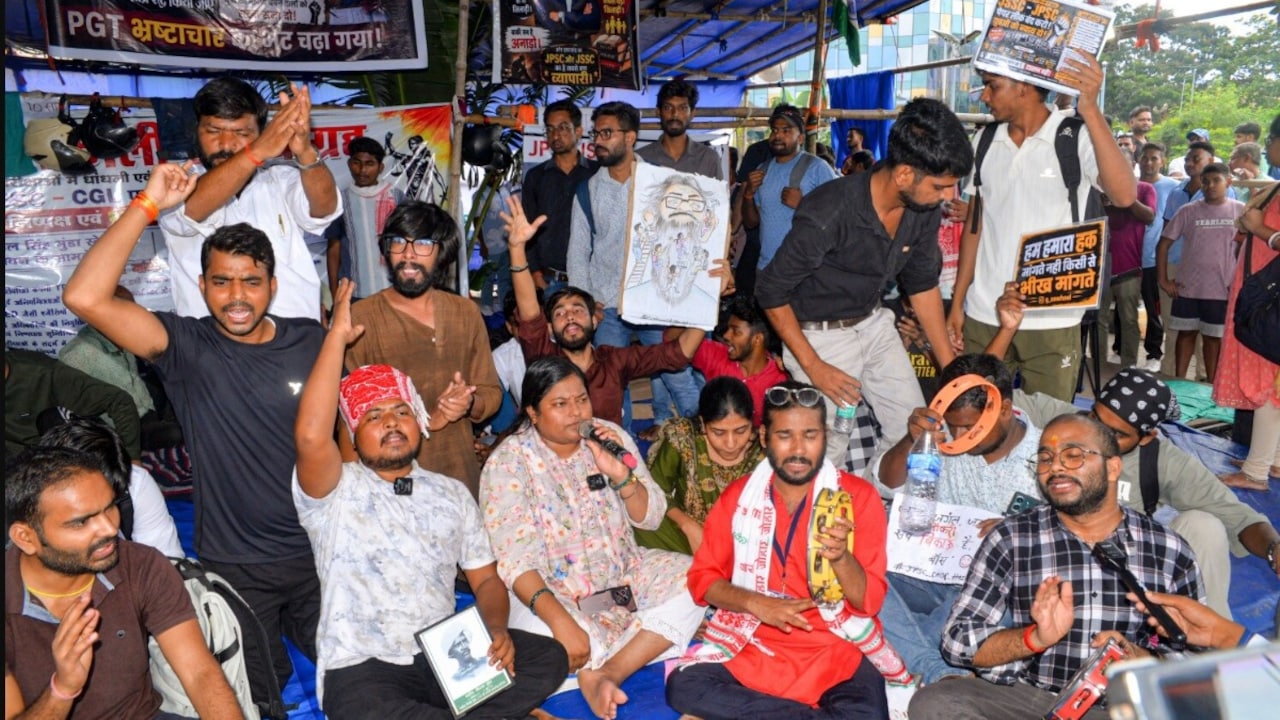
Reform committee to examine recruitment system
The government has constituted a committee headed by senior IAS officer Amitabh Kaushal to examine the recruitment examination system of JPSC and JSSC.
The committee has been tasked with conducting a comprehensive review and recommending reforms. It is expected to submit its report to the government within two months.
The review is significant because the controversy has raised broader questions about how recruitment examinations are designed, administered, monitored and investigated when allegations of malpractice emerge.
A transparent recruitment system is particularly important in government employment because candidates invest years preparing for competitive examinations. Any allegation of question-paper leaks, manipulation, procedural violations or other irregularities can affect not only individual candidates but also public confidence in the recruitment institutions.
Student protests put pressure on government
The cancellations came after weeks of protests by students and job aspirants in Jharkhand.
The protesters had repeatedly raised concerns about alleged irregularities in recruitment examinations and demanded strong action from the government. The JSSC-CGL examination became one of the central points of their campaign.
The student movement had included demonstrations in Ranchi and prolonged agitation, with protesters demanding greater accountability and a recruitment system they believe can provide equal opportunity to all candidates.
The government’s decision to cancel the JSSC-CGL examination was therefore viewed by several protesters as a major achievement. However, the wider agitation has not necessarily ended.
One of the major unresolved demands has been the call for an independent investigation into the alleged irregularities. Protesters have indicated that cancellation alone may not be sufficient and that accountability for those responsible for any wrongdoing must also be established.
Arrests add another dimension to the investigation
The investigation into the alleged recruitment irregularities has also resulted in arrests.
The Jharkhand CID arrested the wife and brother of Abhay Tiwari, described in reports as a suspected key figure in the recruitment examination controversy.
The arrests have added to the seriousness of the allegations and could become relevant to the wider investigation into the recruitment process.
Authorities are expected to examine the circumstances surrounding the examinations, the role of agencies involved in conducting them and whether any individuals benefited from or facilitated irregularities.
Why the cancellations matter
The cancellation of 44 examinations is an unusually broad administrative intervention and could have significant consequences for Jharkhand’s recruitment system.
For students preparing for government examinations, the immediate concern is uncertainty over future recruitment schedules. Candidates who have spent months or years preparing for examinations may now have to wait for fresh notifications or revised recruitment procedures.
At the same time, the decision demonstrates the difficult balance faced by the government. If irregularities are established, cancelling compromised examinations may be necessary to protect the integrity of the recruitment process. But blanket cancellation can also affect candidates who may have had no involvement in any alleged malpractice.
The JSSC-CGL controversy illustrates this dilemma particularly clearly because appointments had already been made following the examination.
A test for recruitment transparency
The controversy has placed JPSC and JSSC under increased scrutiny and could lead to significant changes in the way recruitment examinations are conducted in the state.
The proposed reform committee, internal monitoring mechanisms and possible fast-track judicial process are intended to address institutional weaknesses and restore confidence among job aspirants.
For students, however, the credibility of the recruitment system will ultimately depend on whether future examinations are conducted transparently, whether allegations are investigated independently and whether those responsible for proven misconduct are held accountable.
The government now faces the challenge of implementing the promised reforms while simultaneously dealing with the concerns of two groups: students who demanded action against alleged irregularities and candidates who fear losing opportunities or jobs obtained through examinations that have now been cancelled.
The coming weeks are likely to determine whether the government’s decision can bring an end to the prolonged recruitment controversy or whether the cancellations will trigger further legal and political disputes.