
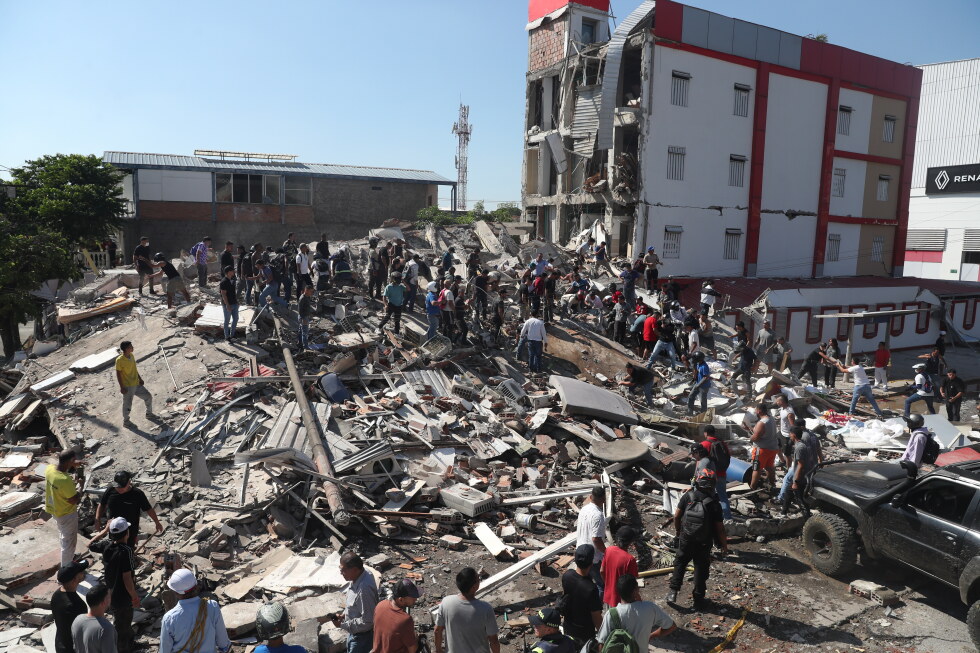
A powerful 7.4-magnitude earthquake struck Colombia on Monday, causing widespread destruction across several parts of the country, killing at least 111 people and leaving dozens injured. The powerful tremors damaged around 1,600 buildings, with at least 61 structures reported to have completely collapsed.
The earthquake triggered scenes of panic as residents rushed out of homes and buildings while rescue teams began searching through piles of concrete and debris for survivors. Several cities reported serious damage, while hospitals were placed on heightened alert as authorities prepared for a possible influx of injured people.
Colombia’s geological authorities described the earthquake as the strongest recorded in the country during the 21st century. The main tremor was followed by a series of aftershocks, adding to concerns among residents and emergency responders working in affected areas.
Heavy destruction reported across Colombian cities
The scale of destruction became evident soon after the earthquake struck. Buildings were damaged or reduced to rubble in several locations, while roads and streets were covered with debris from collapsed structures.
Pereira was among the areas where significant damage was reported. A four-storey building collapsed during the earthquake, prompting emergency personnel and local residents to search the wreckage for people who may have been trapped inside.
In Manizales, part of a landmark neo-Gothic cathedral was also damaged. One of its side towers reportedly collapsed during the intense shaking, sending debris onto nearby streets.
Residents described moments of extreme fear as buildings began shaking violently. Many people fled their homes in an attempt to reach open spaces and avoid being trapped inside collapsing structures.
A resident in Cali described seeing large clouds of dust rising across the city as structures were damaged. The earthquake was reportedly unlike anything many residents had experienced before.
People trapped as buildings collapse
The earthquake’s sudden and intense movement left some people trapped inside damaged buildings. In one reported incident, several individuals became trapped beneath a staircase after part of a structure collapsed during an evacuation.
The disaster also forced residents to make desperate attempts to escape. Some people reportedly jumped from upper floors or rushed into the streets as buildings shook.
Videos and photographs circulating after the earthquake showed damaged buildings, piles of rubble and emergency workers searching through collapsed structures. However, authorities and news organisations cautioned that some social media footage could not be independently verified.
The destruction raised concerns about the safety of buildings in earthquake-prone areas, particularly older structures that may be more vulnerable to powerful seismic activity.
Hospitals placed on red alert
The scale of the disaster prompted authorities to intensify emergency preparations. Hospitals in five Colombian cities were placed on red alert as medical teams prepared to treat people injured in the earthquake.
Emergency services faced the difficult task of reaching damaged areas, assessing buildings and searching for survivors while dealing with continuing aftershocks.
A nighttime curfew was also declared in Cali as authorities attempted to maintain public safety and prevent further risks following the earthquake.
Several airports were temporarily affected as well, with at least six local airports suspending operations, according to the country’s civil aviation authorities. The disruption added to the logistical challenges facing emergency teams and residents trying to move through affected areas.
Rescue operations continue amid aftershocks
Rescue personnel and local residents worked together to clear rubble and search collapsed buildings. In several locations, residents joined emergency workers in digging through debris in the hope of finding survivors.
The continuing aftershocks complicated rescue operations and increased fears that already weakened structures could collapse. Authorities therefore had to balance the urgency of rescue efforts with the safety of emergency personnel.
The earthquake also caused widespread disruption to normal life. Residents in heavily affected areas were reluctant to return to their homes because of concerns about structural damage and additional tremors.
The disaster highlighted the challenges faced by countries located in earthquake-prone regions, where preparedness, building standards and rapid emergency response can play a critical role in reducing casualties.
International assistance offered to Colombia
The scale of the destruction prompted offers of assistance from several countries. The United States announced emergency funding of $15.5 million to support shelter, food supplies and other earthquake-response measures.
Other Latin American governments also expressed their willingness to assist Colombia. El Salvador offered rescue teams, medical personnel, paramedics and emergency supplies, while Mexico also indicated that it was prepared to provide support.
Chile, a country with extensive experience dealing with earthquakes, also offered assistance. Its leadership expressed solidarity with Colombia and acknowledged the enormous challenges that follow a major seismic disaster.
The international response is expected to support Colombia’s immediate rescue and relief operations while authorities assess the longer-term damage.
Colombia faces major recovery challenge
With more than a hundred deaths, dozens of injuries and extensive structural damage, the earthquake represents a major emergency for Colombia. The full extent of the destruction could become clearer as rescue teams reach more affected areas and conduct detailed assessments.
Authorities are expected to focus on locating missing people, providing medical assistance, securing damaged buildings and arranging temporary shelter for residents unable to return home.
The disaster has also renewed attention on earthquake preparedness and the resilience of buildings and public infrastructure. As aftershocks continue, emergency agencies face the challenge of protecting survivors while preventing further casualties.
For communities affected by the earthquake, the immediate priority remains rescue and relief. The coming days will be critical as authorities determine the full human and economic cost of the disaster and begin the difficult process of rebuilding damaged communities.