
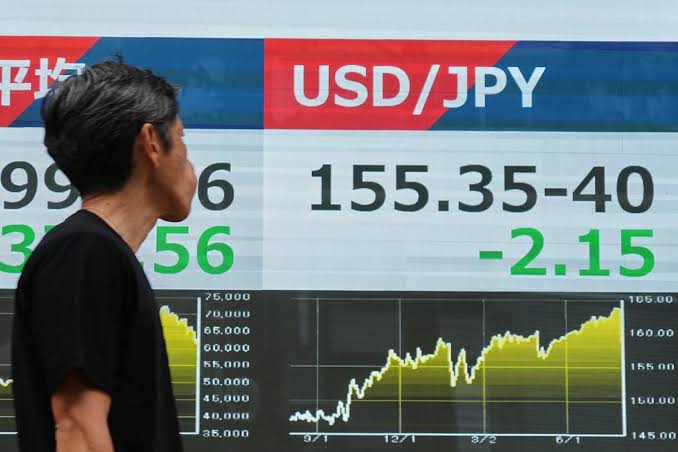
The US dollar witnessed a sharp decline against the Japanese yen on Monday after officials from both the United States and Japan confirmed their involvement in currency market interventions. The development triggered renewed attention among global investors over the stability of exchange rates and the possibility of further government actions to manage currency movements.
The dollar-yen exchange rate came under pressure after US President Donald Trump and Japan’s finance minister acknowledged that authorities had taken steps to influence market conditions. The confirmation of intervention efforts raised concerns among traders about increased government participation in foreign exchange markets.
Currency interventions are generally used by governments and central banks to control extreme fluctuations in exchange rates. Japan has frequently stepped into the foreign exchange market when rapid yen depreciation threatens economic stability, particularly due to its impact on import costs, inflation, and consumer spending.
The Japanese yen has faced prolonged weakness against the US dollar in recent periods, putting pressure on Japan’s economy, which relies heavily on imported energy and raw materials. A weaker yen increases the cost of imports and can create additional challenges for households and businesses.
Market participants closely monitored the latest developments as the involvement of both US and Japanese officials indicated a coordinated approach toward addressing currency volatility. The announcement also influenced investor sentiment, with traders adjusting their positions amid uncertainty over future exchange rate policies.
The US dollar’s decline against the yen reflected expectations that further intervention measures could limit excessive currency movements. Investors are now watching upcoming statements from policymakers and economic indicators for clues about the future direction of monetary and currency policies in both countries.
The latest move highlights the growing importance of exchange rate management amid changing global economic conditions. Currency markets remain sensitive to government actions, interest rate expectations, inflation trends, and geopolitical developments.
Analysts said continued volatility in the dollar-yen pair could remain a key focus for global financial markets as investors assess whether authorities will take additional steps to maintain currency stability.