
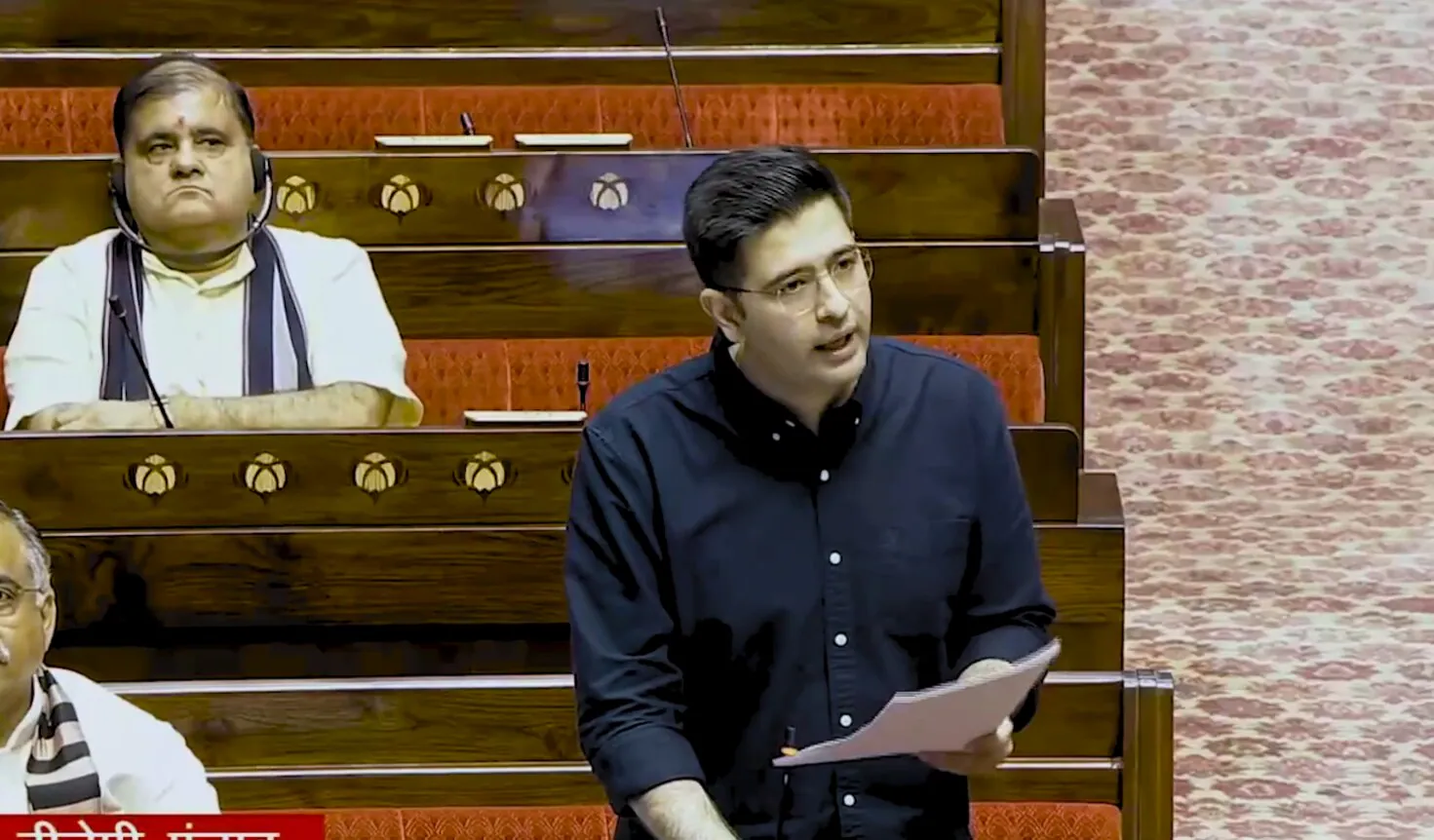
Rajya Sabha Member of Parliament Raghav Chadha has addressed criticism over his decision not to immediately speak on the NEET paper leak controversy during parliamentary proceedings, saying his priority was to work towards finding practical solutions instead of making statements that would merely attract attention.
Speaking about the issue, Chadha said that although many people questioned why he did not actively participate in the initial debate surrounding the examination controversy, he believed that responsible leadership involves more than delivering speeches. According to him, serious issues affecting millions of students deserve thoughtful analysis and meaningful policy discussions rather than political rhetoric aimed at creating headlines.
He explained that his silence should not be interpreted as indifference. Instead, he said it reflected a conscious decision to understand the problem thoroughly before presenting his views. Chadha stated that he wanted his contribution to be based on substance and constructive recommendations rather than immediate political reactions.
A Deliberate Approach to a National Issue
The Aam Aadmi Party leader said that the controversy surrounding the NEET examination demanded careful attention because it directly impacted the future of lakhs of students and their families. He maintained that while public debates are an important part of democracy, they should ultimately lead to solutions that strengthen the education system.
According to Chadha, he spent time studying the circumstances surrounding the examination controversy and examining possible reforms before speaking publicly. He said that making quick political statements may generate temporary attention but does not necessarily address the deeper issues within the examination system.
He emphasized that his intention was never to remain silent for political reasons but to ensure that his intervention would be meaningful and focused on long-term improvements.
Concern Over Examination Integrity
The NEET paper leak controversy triggered widespread concern across the country, with students, parents, educators, and political parties questioning the fairness and credibility of one of India’s most important entrance examinations. Allegations of irregularities led to protests, legal proceedings, and demands for accountability from various quarters.
The controversy also reignited discussions on the need to improve the security of competitive examinations, strengthen monitoring systems, and ensure complete transparency in the conduct of national-level tests. Many education experts have argued that restoring public confidence requires comprehensive reforms that go beyond addressing a single incident. 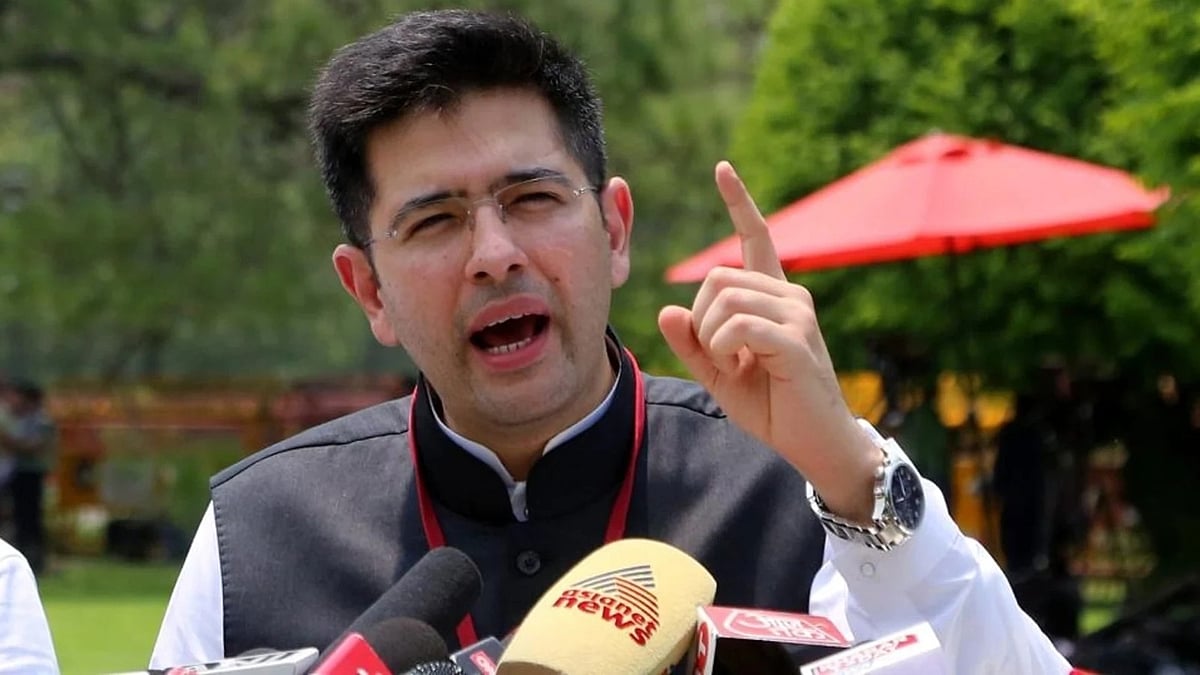
Students Should Be at the Centre of Reforms
Chadha stressed that political leaders should keep students’ interests at the heart of the debate. He said that young aspirants spend years preparing for highly competitive examinations, and any compromise in the integrity of the examination process can have a lasting impact on their careers and emotional well-being.
He noted that students deserve a system that is transparent, fair, and free from malpractice. According to him, policymakers should focus on building stronger institutions that prevent such incidents instead of responding only after controversies emerge.
He added that restoring trust in the examination system should be considered a national priority, requiring cooperation between governments, educational institutions, and regulatory authorities.
Call for Structural Reforms
While explaining his position, Chadha advocated for long-term reforms to improve the country’s examination framework. He suggested that stronger security measures, better technological safeguards, stricter accountability mechanisms, and faster investigations into allegations of malpractice would help protect the credibility of competitive examinations.
He argued that isolated corrective measures are insufficient unless they are accompanied by systemic changes designed to prevent future incidents. According to him, institutional reforms are essential for ensuring fairness and maintaining public confidence in national examinations.
Political Debate Continues
The NEET paper leak issue has remained one of the most debated subjects in Parliament, with opposition parties demanding greater accountability and comprehensive reforms while the government has defended its response to the controversy. The issue has sparked intense political exchanges, reflecting the significance of examination integrity in India’s education system.
Against this backdrop, Chadha’s explanation offers a different perspective on his parliamentary strategy. Rather than participating in immediate political confrontation, he says he chose to focus on identifying practical measures that could contribute to lasting improvements in the examination process.
Looking Ahead
As discussions on examination reforms continue, Chadha has reiterated that meaningful governance requires more than public statements. He believes that solving complex issues such as examination malpractice demands careful planning, institutional strengthening, and sustained policy action.
With millions of students depending on the credibility of competitive examinations, the demand for a transparent, secure, and accountable testing system remains stronger than ever. The debate surrounding the NEET paper leak has underscored the urgent need for reforms that protect students’ interests and preserve the integrity of India’s education system.