
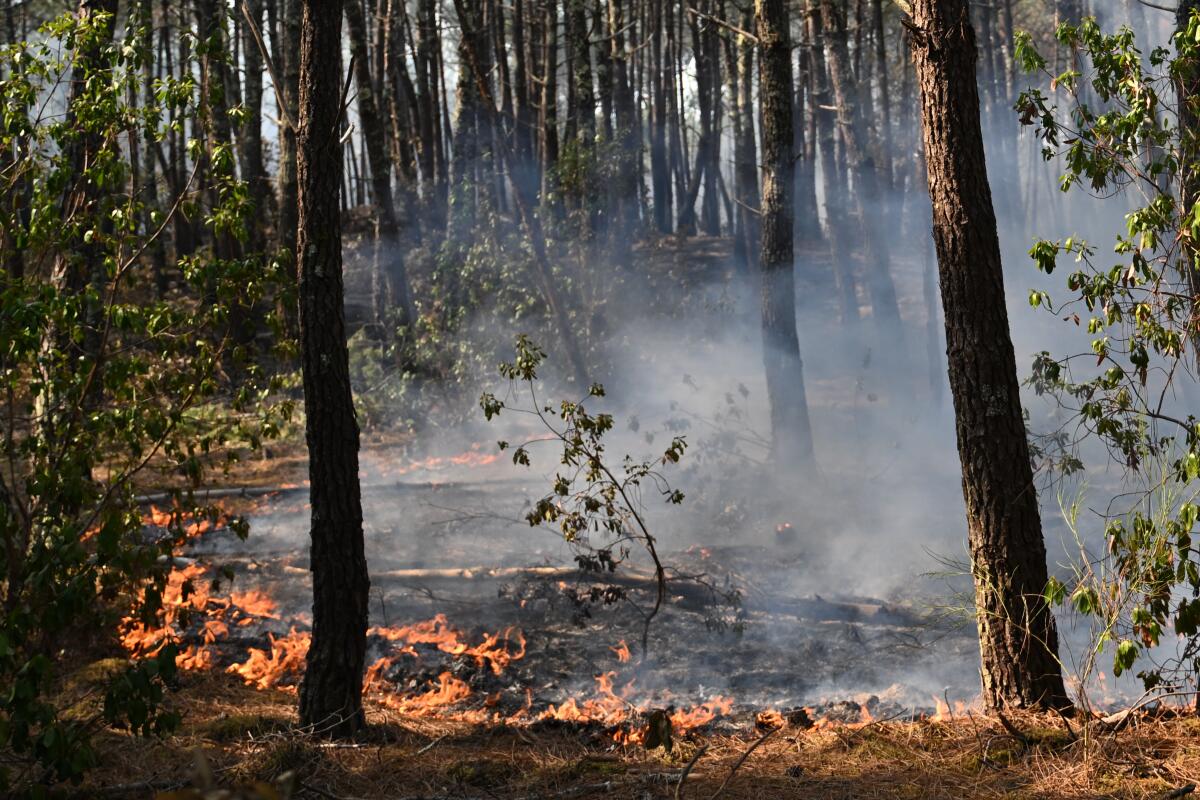
Southern Europe is facing one of its most destructive wildfire emergencies in recent years, with deadly blazes spreading rapidly across France, Greece, Spain and several neighbouring countries. Extreme temperatures, prolonged drought and powerful winds have combined to create dangerous fire conditions, overwhelming emergency responders and forcing thousands of residents to flee their homes.
The crisis has already claimed the lives of three firefighters in Greece, while France continues to battle a massive wildfire that has expanded to an area estimated to be four times the size of Paris. Authorities across the region remain on high alert as weather forecasts warn that hot, dry conditions are likely to persist, increasing the risk of further outbreaks.
Three Firefighters Killed in Greece
Greece has suffered a heartbreaking loss after three firefighters died while battling separate wildfire incidents. Two firefighters lost their lives on the island of Crete after becoming trapped by rapidly advancing flames, while another firefighter died during firefighting operations in the Peloponnese region on the mainland.
Strong winds have repeatedly changed the direction of the fires, making rescue operations extremely dangerous. Emergency authorities ordered evacuations in several communities as flames threatened homes, tourist destinations and agricultural land.
The deaths have highlighted the immense risks faced by firefighters who continue to work under increasingly severe weather conditions in an effort to protect lives and property.
France Battles One of Its Largest Wildfires
France is confronting one of the largest wildfires in its modern history in the Gironde region of southwestern France. The blaze has scorched tens of thousands of hectares of land, making it one of the country’s most destructive forest fires in recent decades.
At the height of the emergency, around 220,000 people were evacuated from affected areas. Additional residents living along the Atlantic coast were also instructed to leave their homes as the fire continued to spread towards populated communities.
Thousands of firefighters, assisted by aircraft dropping water and fire retardants, remain engaged in an extensive operation to stop the flames from reaching more residential areas. Authorities are also investigating the exact cause of the wildfire, with initial reports suggesting it may have started during vegetation-clearing work near high-voltage power infrastructure. 
Extreme Weather Fuelling the Fire Crisis
Firefighters across France have been battling exceptionally difficult conditions as temperatures climbed close to 40 degrees Celsius in several regions. Months of unusually dry weather have left forests and vegetation highly vulnerable, allowing fires to spread rapidly over vast areas.
Meteorologists also observed the formation of a rare fire-generated thundercloud, known as a pyrocumulonimbus cloud, above the massive blaze. Such clouds can generate lightning, strong winds and unpredictable weather conditions that make firefighting efforts even more challenging.
Emergency officials warned that shifting wind patterns continue to threaten containment operations despite progress in some affected regions.
Spain Continues to Face Multiple Wildfires
Spain remains another major hotspot in the ongoing wildfire emergency. Although firefighters have managed to contain several fires near Madrid and surrounding regions, new outbreaks continue to emerge in other parts of the country.
Thousands of residents remain displaced in parts of Castellón, while additional evacuations have been ordered in other provinces as emergency crews work to prevent fires from spreading into populated communities.
Spain is also enduring another intense summer heatwave, placing additional strain on emergency services already stretched by multiple wildfire incidents.
European Nations Join Firefighting Efforts
As the wildfire crisis intensified, several European countries stepped forward to provide assistance through coordinated emergency response efforts. Additional firefighting aircraft, helicopters and specialised rescue teams have been deployed to support affected nations.
International cooperation has become essential as emergency services work simultaneously to control multiple large-scale wildfires across southern Europe.
Severe Environmental and Economic Damage
The wildfires have caused extensive environmental destruction, burning large areas of forests, farmland and wildlife habitats. The fires have also dealt a significant blow to tourism during the peak summer travel season, leading to cancellations and business disruptions across several regions.
Agricultural areas, including vineyards in southwestern France, have faced growing concerns as advancing flames and heavy smoke threaten crops and rural communities. Damage to infrastructure, transportation networks and residential properties has further increased the economic impact of the disaster.
Climate Change Intensifies Wildfire Risks
Climate experts continue to warn that rising global temperatures are making extreme weather events more frequent and more severe. Europe has experienced repeated heatwaves, prolonged droughts and increasingly dry conditions in recent years, all of which contribute to a higher risk of devastating wildfires.
While individual fires may have different causes, scientists agree that changing climate patterns have created conditions in which fires spread faster, burn more intensely and become significantly harder to control.
Experts believe governments will need to strengthen wildfire prevention strategies, improve forest management and invest further in emergency response systems to reduce future risks.
Authorities Urge Continued Vigilance
Emergency services across southern Europe continue to monitor weather conditions closely as firefighters work around the clock to contain active blazes. Residents living in high-risk areas have been urged to follow evacuation orders immediately and avoid activities that could accidentally ignite new fires.
Although some regions have reported gradual improvements, officials have stressed that the wildfire emergency is far from over. With forecasts predicting continued high temperatures and dry conditions, the coming days are expected to remain critical in determining whether the fires can be fully brought under control.