
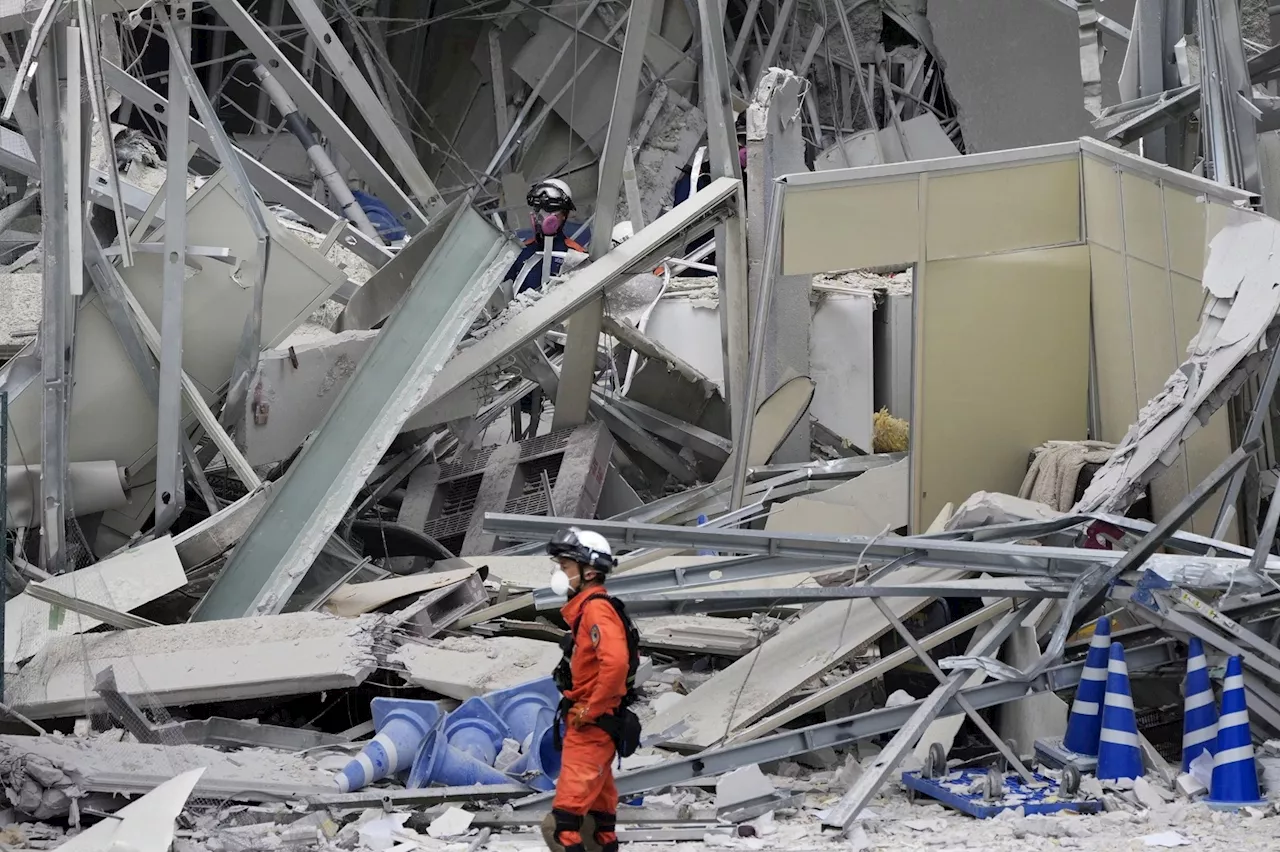
Japan is facing the aftermath of a powerful earthquake that has claimed at least 23 lives, while emergency responders continue extensive rescue operations to locate survivors trapped beneath collapsed buildings and debris. Authorities have warned that the death toll could increase as search efforts continue across the worst-affected areas.
The earthquake caused widespread destruction, severely damaging residential neighbourhoods, commercial buildings and public infrastructure. Rescue teams are working around the clock despite repeated aftershocks, which continue to pose serious risks to both survivors and emergency personnel.
Rescue Teams Race Against Time
Thousands of firefighters, police officers, military personnel and disaster response specialists have been deployed to the affected region. Equipped with heavy machinery, rescue dogs and specialised search equipment, teams are carefully clearing debris in an effort to reach those believed to be trapped.
Officials say the first few days following a major earthquake are critical for locating survivors. Search operations are being carried out with extreme caution because unstable buildings and continuing seismic activity increase the danger of further collapses.
Emergency workers remain committed to reaching every affected location, despite increasingly difficult conditions.
Widespread Damage to Buildings and Infrastructure
The earthquake caused extensive structural damage across multiple communities. Numerous homes and buildings either collapsed completely or suffered severe cracks, forcing residents to evacuate immediately.
Roads have been damaged, transportation services disrupted and utility networks affected in several areas. Electricity and water supplies have been interrupted in parts of the disaster zone, making relief efforts more challenging.
Authorities have established temporary shelters to accommodate displaced residents, providing food, drinking water, blankets and essential medical assistance. 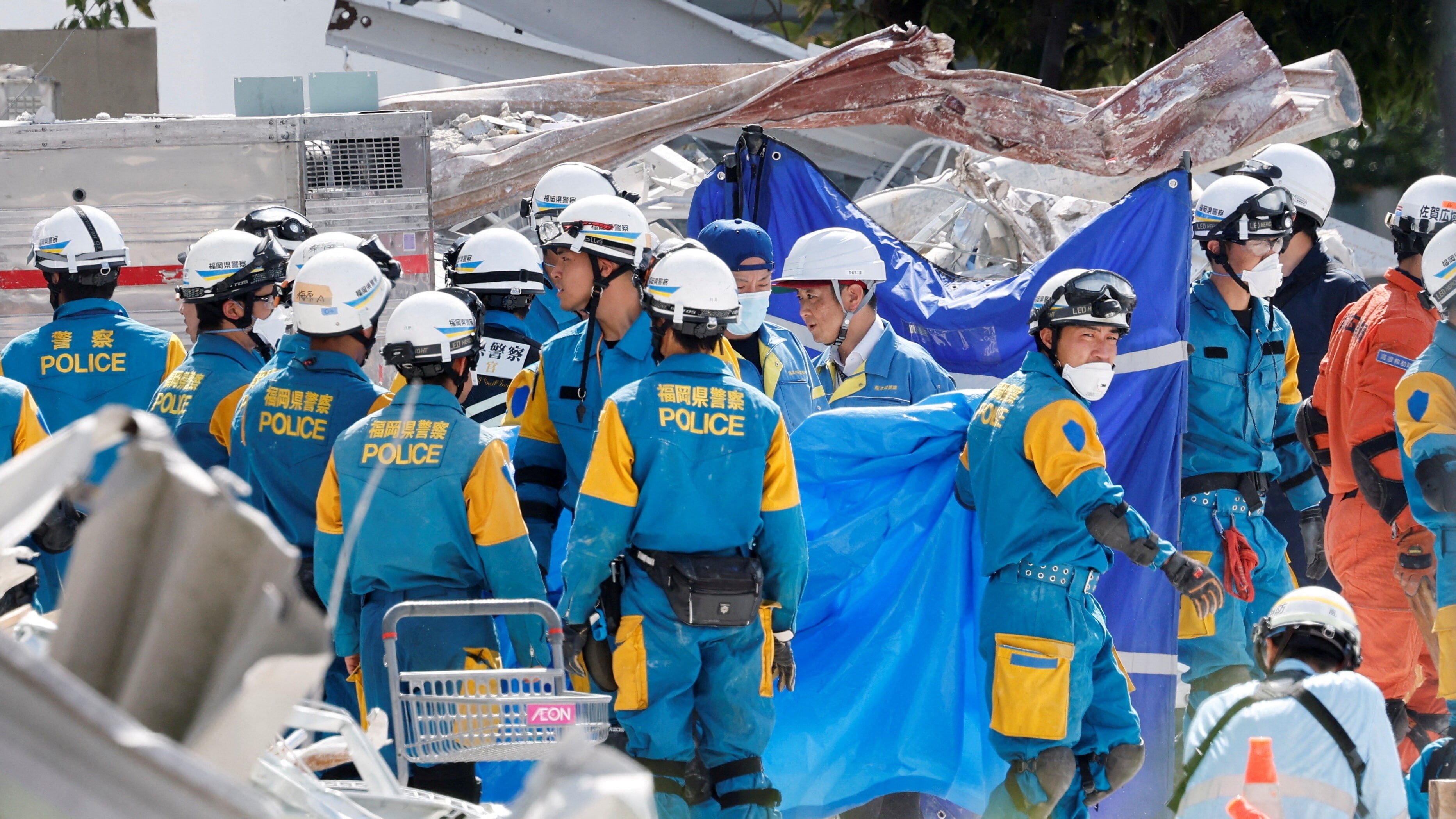
Aftershocks Continue to Threaten Recovery Efforts
Seismologists have warned that strong aftershocks may continue in the coming days, increasing the possibility of additional structural damage.
Residents have been advised to avoid entering damaged buildings and to remain prepared for further seismic activity. Emergency officials are closely monitoring the situation while conducting continuous safety assessments in affected communities.
The ongoing aftershocks have slowed rescue operations, as teams must frequently pause work to ensure the safety of personnel working in unstable structures.
Medical Teams and Relief Agencies Respond
Hospitals and emergency medical teams have been placed on high alert to treat those injured during the earthquake. Medical personnel are providing care to victims suffering from fractures, cuts, trauma and other earthquake-related injuries.
Relief agencies are also supporting displaced families by distributing emergency supplies, including food, clean water, hygiene kits and temporary shelter materials.
Special attention is being given to elderly residents, children and individuals with medical conditions who require additional care during the emergency.
Economic and Transportation Impact
The earthquake has disrupted daily life across the affected region. Several businesses temporarily suspended operations while engineers inspect buildings for structural safety.
Transport services have experienced delays and cancellations due to damaged roads and railway infrastructure. Authorities are carrying out detailed inspections before allowing normal services to resume.
The full financial impact of the disaster is expected to become clearer once comprehensive damage assessments are completed.
Government Coordinates Emergency Response
National and local authorities have mobilised extensive emergency resources to manage rescue and relief operations. Additional rescue personnel and equipment have been sent to support local teams working in the disaster zone.
Officials have pledged continued assistance for affected communities, focusing on rescue operations, humanitarian aid and long-term reconstruction efforts.
Authorities have urged residents to remain vigilant, follow official safety advisories and cooperate with evacuation instructions as rescue efforts continue.
Recovery Expected to Be Long and Challenging
As rescue teams continue searching through damaged buildings, officials caution that casualty figures may change as more areas become accessible.
Communities now face the difficult task of rebuilding homes, restoring essential services and helping displaced families recover from one of the country’s most significant natural disasters in recent times.
While rescue efforts remain the immediate priority, authorities are already preparing for the long-term recovery process, which is expected to require substantial resources and coordinated support from government agencies, emergency services and local communities.