
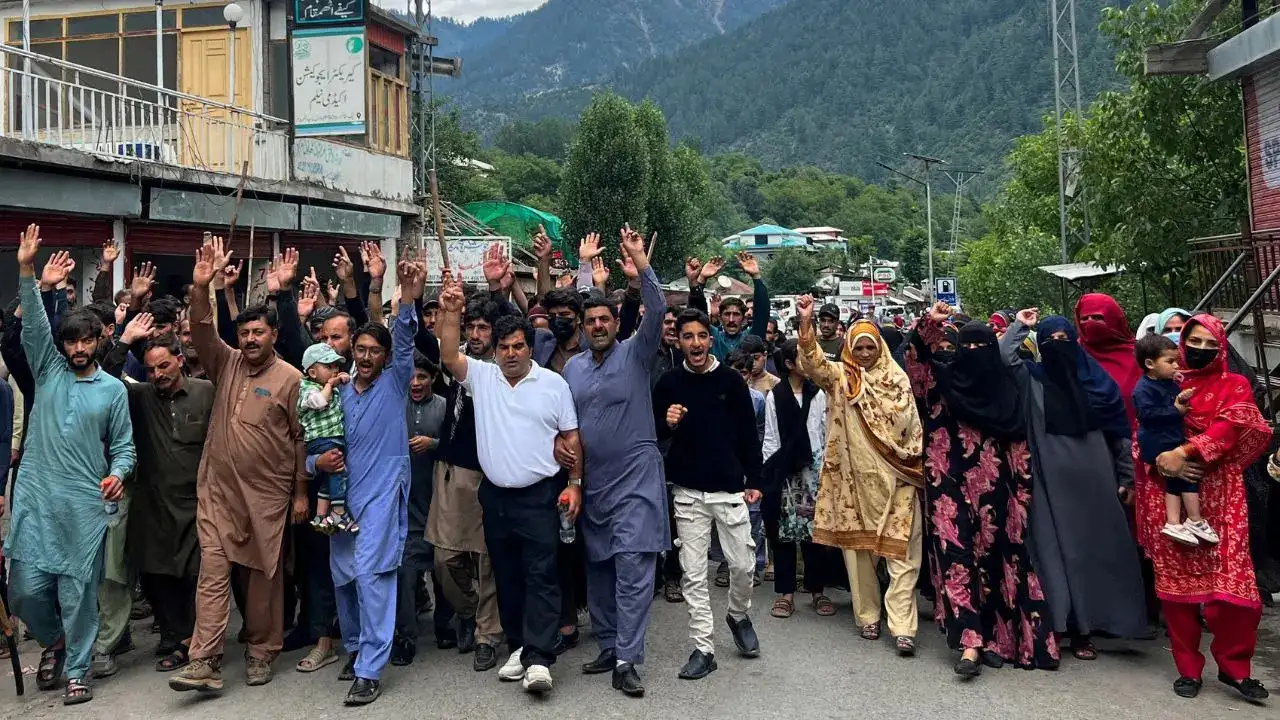
The Indian Embassy in the United States has strongly objected to the use of the term “Pakistani Kashmir” in an international news report, calling the description factually incorrect and misleading. The diplomatic mission asserted that there is no region officially recognised as “Pakistani Kashmir” and reiterated India’s long-standing position that the territory under Pakistan’s control is Pakistan-Occupied Kashmir (PoK), which remains an integral and inalienable part of India.
The embassy’s response came after an international publication used the phrase “Pakistani Kashmir” in a headline concerning developments related to the Kashmir region. The wording drew immediate criticism from Indian officials, who maintained that such terminology misrepresents the legal and historical status of the territory.
India Reaffirms Its Position on PoK
In a public statement, the Indian Embassy clarified that the only accurate description of the region under Pakistan’s control is Pakistan-Occupied Kashmir or PoK. According to the embassy, referring to the territory as “Pakistani Kashmir” distorts internationally recognised facts and undermines India’s consistent constitutional and sovereign claim over the area.
The mission stressed that Jammu and Kashmir, including the territories presently under Pakistan’s occupation, is an inseparable part of India. It urged the publication to use precise terminology while reporting on issues related to the region, especially considering the geopolitical sensitivity of the Kashmir dispute.
Embassy Calls Headline Misleading
The embassy criticised the headline for creating an inaccurate impression regarding the ownership and status of the disputed territory. It stated that journalistic responsibility requires the use of factually correct language, particularly on matters involving international borders and sovereignty.
Officials noted that terminology used by influential global media organisations can shape international perceptions and public understanding. Therefore, they argued that incorrect descriptions have the potential to spread misinformation and create confusion among readers worldwide. 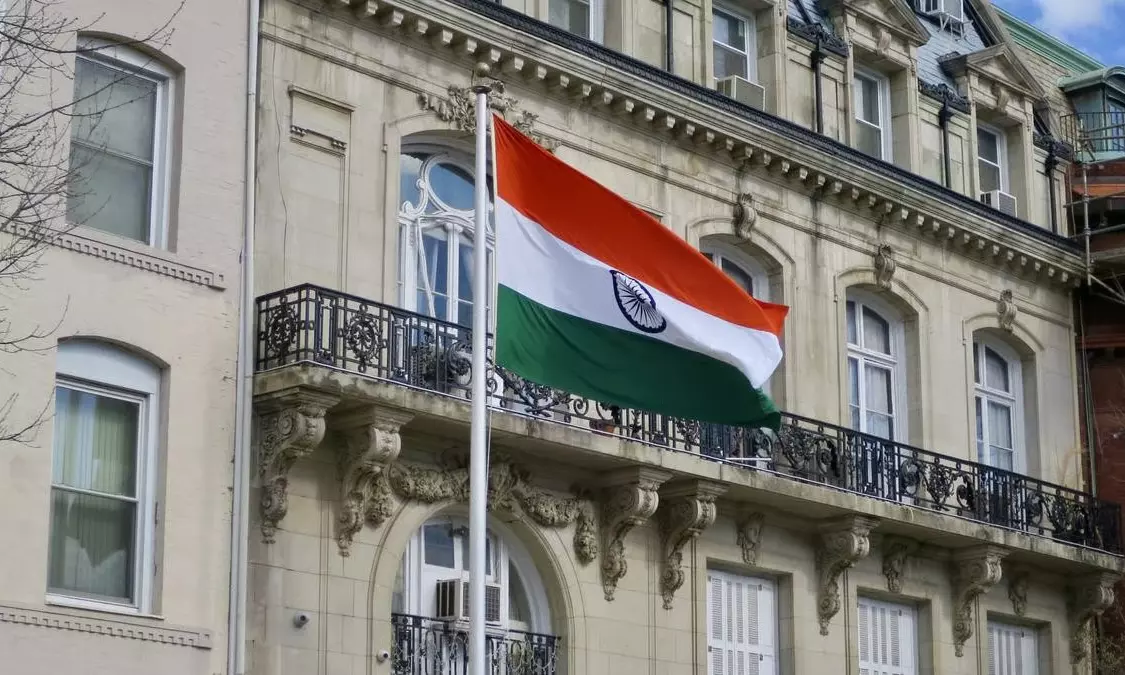
Kashmir Remains a Sensitive Diplomatic Issue
The Kashmir issue continues to be one of the most significant points of contention between India and Pakistan. India has consistently maintained that the entire former princely state of Jammu and Kashmir legally acceded to India in 1947. Consequently, New Delhi considers the areas currently administered by Pakistan to be under illegal occupation.
Pakistan, meanwhile, continues to administer parts of the region under different administrative arrangements. However, India’s official position remains unchanged, referring to these territories collectively as Pakistan-Occupied Kashmir.
Because of the political and diplomatic sensitivities surrounding Kashmir, references made by international governments, organisations, and media outlets often attract close scrutiny from both countries.
Importance of Accurate Terminology
Diplomatic experts note that language plays a crucial role in international affairs. The terms used to describe disputed territories often reflect legal interpretations, historical claims, and official foreign policy positions. As a result, governments frequently challenge descriptions that they believe contradict their sovereign claims.
India has, on several occasions in the past, objected to international references that it considers inconsistent with its official position on Jammu and Kashmir. The latest response by the Indian Embassy underscores New Delhi’s continued commitment to defending its territorial claims through diplomatic engagement.
India’s Consistent Diplomatic Stand
The embassy’s latest clarification reinforces India’s established foreign policy stance that Pakistan-Occupied Kashmir remains an integral part of the country despite being under Pakistan’s control. By publicly challenging the terminology used in the report, India sought to ensure that international discourse accurately reflects its official position.
The incident once again highlights how language used in global reporting can become a matter of diplomatic significance, particularly when covering long-standing territorial disputes. It also demonstrates India’s continued efforts to respond swiftly whenever it believes that international narratives misrepresent its position on issues concerning national sovereignty and territorial integrity.