
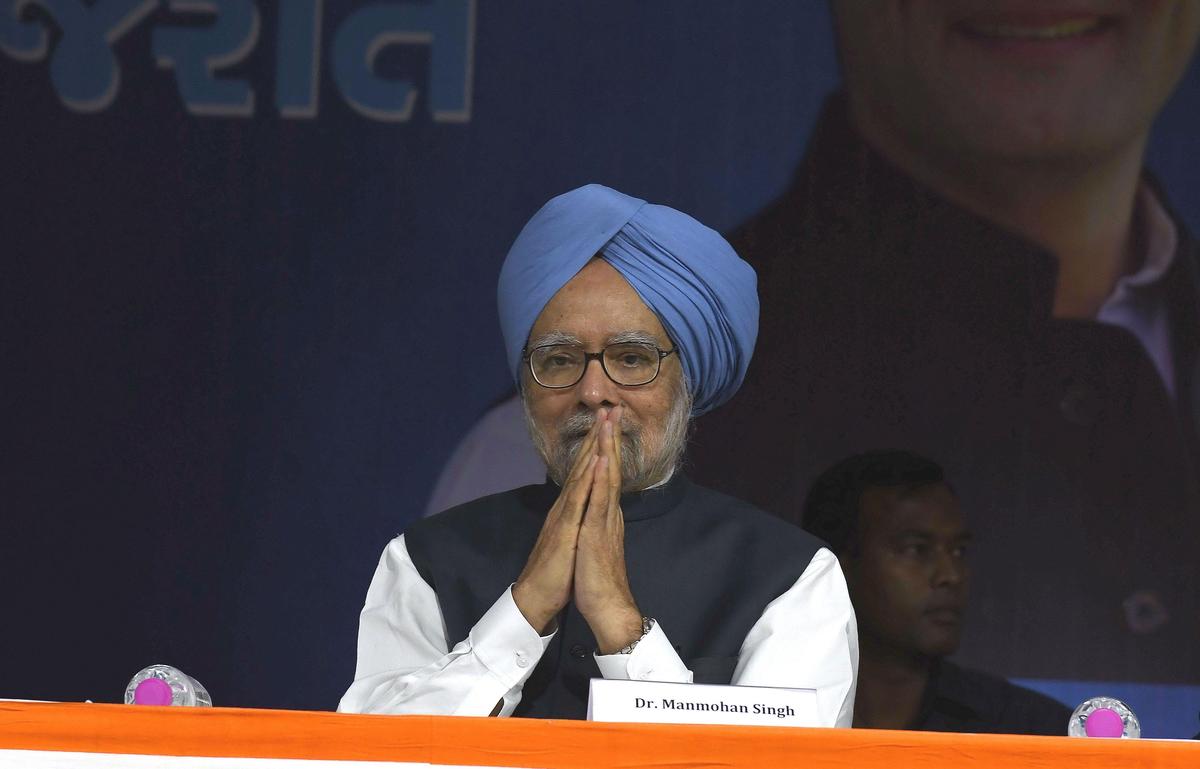
The Supreme Court has brought to an end the criminal proceedings involving former Prime Minister Manmohan Singh in a long-running coal block allocation case, accepting the closure report submitted by the Central Bureau of Investigation (CBI). The decision effectively clears the former prime minister and other individuals who had been named in connection with the matter.
The case was linked to the controversial allocation of a coal block and had remained part of the wider legal scrutiny surrounding the coal allocation process followed by successive governments. The issue had attracted considerable political and public attention over the years, particularly amid allegations that coal blocks had been distributed without following a transparent and competitive mechanism.
The Supreme Court’s latest decision marks a significant development in the prolonged legal proceedings. By accepting the investigating agency’s closure report, the court has formally brought the criminal case to a close, ending the possibility of further proceedings against the accused in this particular matter.
Case Linked to Coal Block Allocation Controversy
The case originated from investigations into the allocation of coal blocks during the period when Manmohan Singh was serving as prime minister. The coal allocation process became the subject of intense scrutiny after concerns were raised about the manner in which blocks were allotted to private companies and other entities.
The controversy centred on allegations that the allocation system lacked transparency and that the government had failed to adopt a competitive bidding mechanism for distributing valuable natural resources. The issue subsequently became one of the major political controversies of the period and led to extensive investigations and litigation.
Manmohan Singh’s involvement in the case was examined in the context of his position as prime minister and the responsibilities associated with the coal ministry during the relevant period. The former prime minister had maintained that the decisions taken during his tenure were made in accordance with established procedures and that there was no criminal wrongdoing on his part.
The proceedings continued for several years as investigating authorities examined the circumstances surrounding the allocation and assessed whether there was sufficient evidence to establish criminal liability.
CBI Closure Report Accepted by Supreme Court
The latest development came after the CBI submitted a closure report in the case. The investigating agency’s findings did not support continuing criminal proceedings against Manmohan Singh and the other individuals named in connection with the matter.
The Supreme Court accepted the closure report, bringing the case to a formal conclusion. The decision means that the criminal allegations examined in this particular proceeding will not result in a trial against the former prime minister or the other persons covered by the closure report.
The court’s acceptance of the report is significant because it closes a case that had remained associated with one of the most politically sensitive controversies of the previous decade. It also provides legal closure to proceedings that had continued long after the original coal allocation controversy had become a major issue in national politics. 
Long Legal and Political Background
The coal block allocation controversy emerged as a major issue in Indian public life following allegations of irregularities in the distribution of coal reserves. The matter became the subject of investigations, parliamentary debate and judicial intervention.
The controversy intensified after questions were raised about the process through which coal blocks were allocated to companies. Critics argued that the absence of a transparent auction mechanism could have resulted in significant financial advantages for beneficiaries, while the government defended the decisions by pointing to the policy and administrative framework that existed at the time.
The Supreme Court subsequently examined the broader coal allocation process and ruled that a large number of allocations made through the earlier system were illegal and arbitrary. The judgment led to the cancellation of several coal block allocations and prompted major changes in the way mineral resources were subsequently allocated.
The criminal investigations that followed examined individual cases separately, with the CBI pursuing allegations relating to specific allocations and the conduct of individuals and companies connected to them.
Manmohan Singh’s Role Came Under Scrutiny
Manmohan Singh’s name became part of the investigation because of his role as prime minister and the fact that he had also held responsibility for the coal ministry for periods during the relevant years.
His involvement attracted political attention because he was the head of the Union government when some of the disputed decisions were taken. However, the former prime minister consistently rejected allegations of personal wrongdoing and maintained that the decisions were taken in the course of official duties.
The latest court decision represents an important legal development in the case, as the acceptance of the closure report means that the investigation did not result in criminal proceedings against him in this matter.
Significance of the Court’s Decision
The closure of the case is significant not only because of Manmohan Singh’s position as a former prime minister but also because the coal allocation controversy was one of the most closely watched cases involving the functioning of the government during the period.
For years, the issue remained part of the political debate over accountability, transparency and the management of India’s natural resources. The investigations and subsequent court proceedings also contributed to changes in government policy concerning the allocation of coal and other valuable mineral resources.
With the Supreme Court now accepting the closure report, the criminal proceedings connected with this particular case have reached their conclusion. The decision underscores the distinction between political controversy and criminal culpability, with the court’s acceptance of the investigating agency’s findings bringing the legal process to an end.
A Chapter Closed After Years of Proceedings
The Supreme Court’s decision effectively closes a lengthy legal chapter associated with the coal block allocation controversy and the former prime minister’s role in the matter.
The case had remained under scrutiny for years, reflecting the broader legal and political consequences of the coal allocation controversy. Its conclusion follows a prolonged investigation and judicial examination of the allegations.
The acceptance of the closure report means that the former prime minister and others covered by the report will not face further criminal proceedings in this case. The development therefore marks the formal end of a legal matter that had continued to attract attention because of its connection to a major policy controversy and the tenure of one of India’s former prime ministers.
While the broader debate over coal allocation and the management of natural resources has shaped policy and political discourse in India for years, the Supreme Court’s latest order brings this particular criminal case to a definitive close.