

Indian equity markets opened lower on Thursday as a sharp rise in international crude oil prices and renewed concerns over escalating tensions in West Asia weakened investor sentiment and increased risk aversion.
The benchmark indices came under pressure in early trading, with the BSE Sensex falling 230.95 points, or around 0.30 per cent, to 76,521.02. The NSE Nifty also declined 57.15 points to 23,937 during the initial session.
The market downturn came against the backdrop of a fresh surge in global oil prices, raising concerns among investors about the potential impact of higher energy costs on inflation, corporate profitability and the broader Indian economy. India, which relies significantly on imported crude oil to meet its energy requirements, remains particularly sensitive to sharp movements in international oil prices.
Crude oil prices rise amid geopolitical uncertainty
Brent crude, the global benchmark for oil prices, climbed 2.27 per cent to USD 96.20 a barrel, reflecting growing concerns about possible disruptions to global energy supplies amid heightened geopolitical tensions in West Asia.
The latest rise in crude prices added to the pressure on Indian stocks, as expensive oil can increase the country’s import bill and put pressure on the current account and inflation outlook. Higher fuel and transportation costs can also raise operating expenses for businesses across several sectors, potentially affecting earnings and investor expectations.
Market sentiment was further unsettled by reports of attacks involving oil tankers in the region. Concerns that the conflict could expand or disrupt important energy supply routes have prompted investors to reassess risks in global financial markets.
Analysts said the renewed geopolitical uncertainty has made investors more cautious, particularly as crude prices approach elevated levels. A sustained increase in oil prices could create additional challenges for oil-importing economies and may influence monetary policy expectations if inflationary pressures intensify.
Major Sensex stocks under pressure
Several heavyweight stocks contributed to the early decline in the Sensex. Infosys, Bajaj Finance, HDFC Bank, State Bank of India, NTPC and Reliance Industries were among the major laggards during the opening trade.
The weakness in large-cap stocks weighed on the broader benchmark indices, although some individual counters managed to move higher. Trent and Eternal were among the few stocks from the Sensex pack that recorded gains in early trading.
The mixed performance reflected the cautious approach adopted by investors, with market participants closely tracking developments in global oil markets and geopolitical conditions. 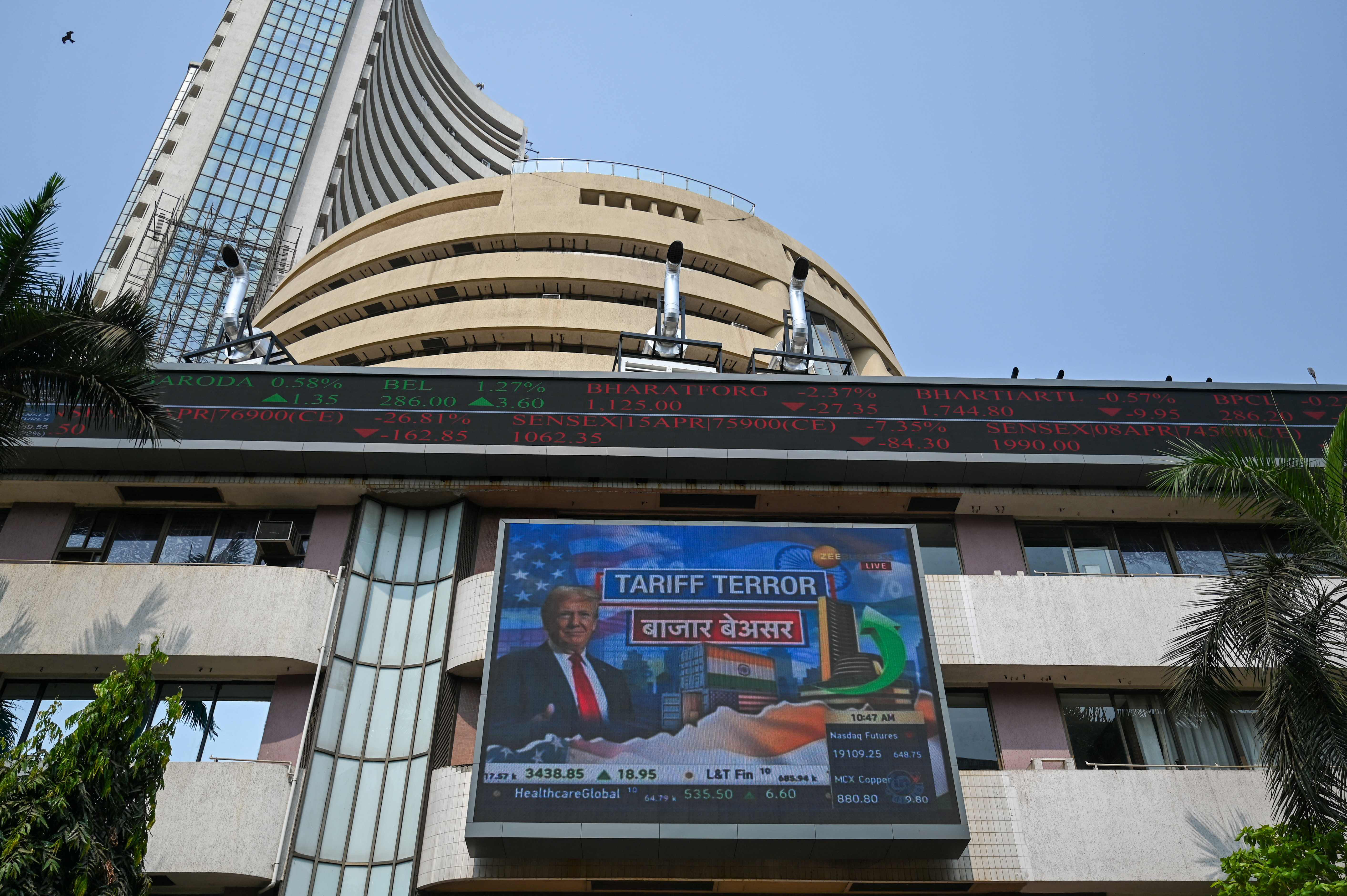
Foreign investor selling adds to market pressure
Foreign institutional investors also remained a source of concern for the domestic equity market. According to exchange data, foreign investors sold Indian equities worth Rs 819.20 crore on Wednesday, returning to the selling side after a brief pause.
Persistent foreign fund outflows can put additional pressure on domestic markets, particularly when combined with global uncertainty and rising commodity prices. Investors are therefore watching overseas fund flows closely for signs of whether international investors are willing to increase their exposure to Indian equities.
Market observers said investor sentiment remains fragile as geopolitical developments continue to influence global risk appetite. The possibility of further escalation in West Asia has raised fears of disruptions to crude supplies, which could keep oil prices volatile in the near term.
Global markets show mixed trend
The weakness in Indian markets came despite a mixed trend across other Asian equity markets. South Korea’s KOSPI rose 3.15 per cent, while Japan’s Nikkei 225 and Hong Kong’s Hang Seng were also trading higher during the session.
However, China’s Shanghai Composite was quoted lower, indicating an uneven trend across the region.
US markets also ended Wednesday’s trading session in negative territory, adding to the cautious mood in global financial markets. Investors worldwide continue to monitor developments in the energy market, geopolitical tensions and the potential economic consequences of prolonged uncertainty.
Indian benchmarks had already suffered sharp losses
The latest decline follows a significant fall in Indian equities during the previous trading session. On Wednesday, the Sensex plunged 715.06 points, or 0.92 per cent, to close at 76,755.05, while the Nifty dropped 191.45 points, or 0.79 per cent, to settle at 23,996.25.
The consecutive pressure on the benchmarks highlights the sensitivity of markets to developments in crude oil prices and geopolitical risks. Investors are now likely to focus on whether oil prices remain elevated and whether tensions in West Asia lead to any actual disruption in global energy supplies.
For India, the trajectory of crude oil prices will remain an important market factor in the coming sessions. A prolonged rise in oil prices could influence inflation expectations, the rupee, corporate costs and government finances, while any easing of geopolitical tensions could help reduce pressure on energy prices and restore confidence among investors.
For now, market participants are expected to remain cautious, with global developments, crude oil movements, foreign fund flows and corporate performance likely to determine the direction of Indian equities in the near term.