
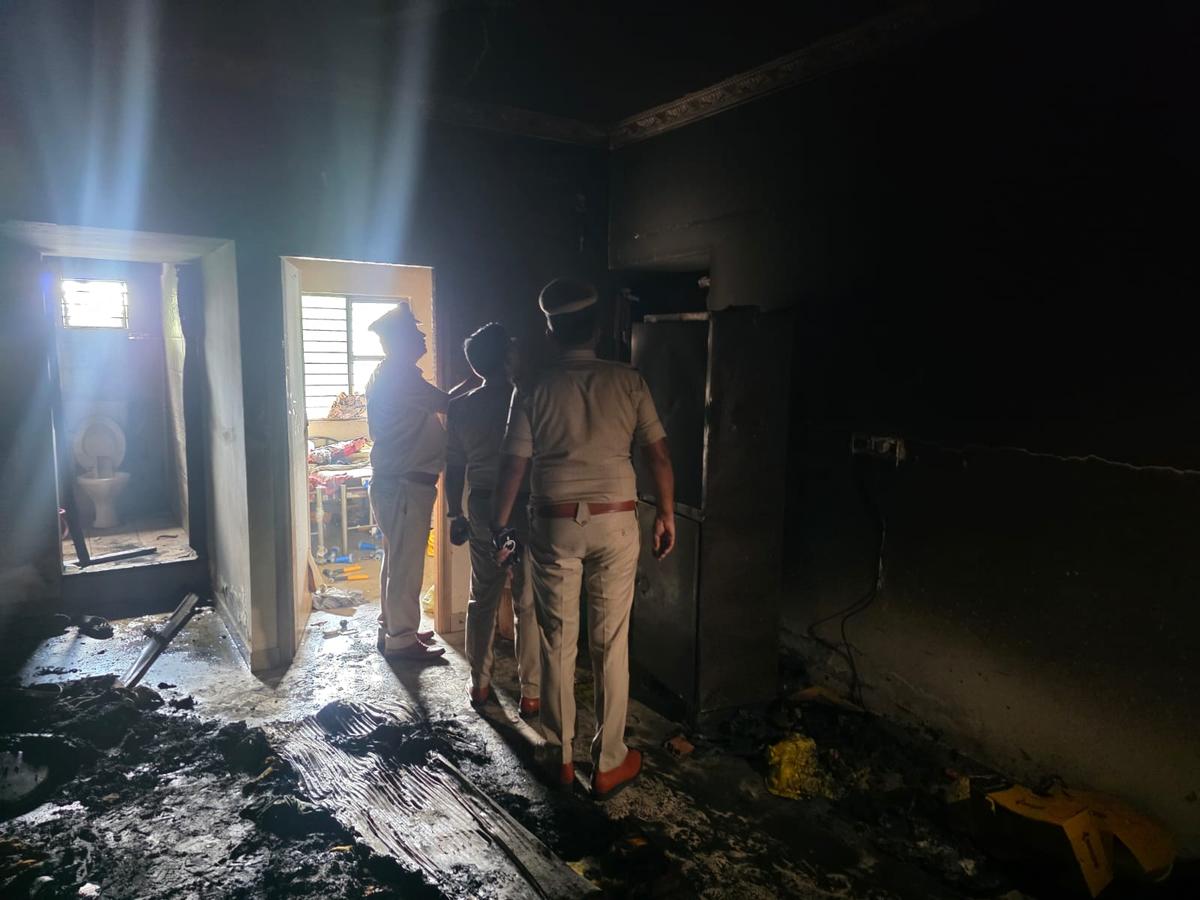
Ten migrant workers from West Bengal were injured after an LPG cylinder explosion, suspected to have been triggered by a gas leak, occurred at a paying guest accommodation in Bengaluru’s Bommasandra area. The incident has raised fresh concerns over fire and gas safety measures in densely occupied residential buildings used to house migrant and industrial workers.
The explosion reportedly took place at a PG accommodation in Bommasandra, located on the southern outskirts of Bengaluru. The blast caused panic among residents and people in the surrounding area as emergency responders were alerted following the incident.
According to preliminary information, the explosion is believed to have occurred after LPG gas leaked and accumulated inside the premises. The presence of a combustible gas mixture in an enclosed space can create a serious risk, as even a small spark or ignition source can trigger a powerful explosion. Authorities are examining the circumstances surrounding the incident to establish the precise cause.
All 10 injured individuals are reportedly migrant workers from West Bengal who were staying at the accommodation. They sustained injuries in the blast and were taken for medical treatment. The extent of their injuries and their current medical condition are being assessed by doctors.
The incident has once again highlighted the risks associated with LPG use in crowded paying guest facilities, where a large number of people may share kitchens and other common spaces. Such establishments often accommodate workers and students who migrate to Bengaluru in search of employment and education, making basic fire prevention and emergency preparedness particularly important.
Following the explosion, emergency personnel and local authorities responded to the location. The affected premises were inspected, while efforts were made to ensure that there was no further danger from leaking gas or damaged equipment. Officials are expected to investigate whether the cylinder, regulator, gas connection or other related equipment was faulty or improperly handled.
Investigators are also likely to examine whether adequate safety precautions were in place at the PG accommodation. These may include proper ventilation, safe storage and handling of LPG cylinders, functioning fire extinguishers, emergency exits and regular inspection of cooking facilities.
Bommasandra and surrounding areas have witnessed rapid urbanisation and a significant increase in residential facilities catering to migrant workers and employees of nearby industrial and commercial establishments. The concentration of workers in shared accommodations makes safety compliance an important issue, particularly where LPG cylinders are used for cooking.
The latest incident has also renewed attention on the need for residents and accommodation operators to remain alert to the warning signs of an LPG leak. A strong smell of gas, hissing sounds near a cylinder or connection, and unexplained changes in the functioning of a gas appliance can indicate a potential leak. In such situations, residents are generally advised to avoid operating electrical switches or creating any source of ignition and to seek immediate assistance.
While the initial assessment points towards a suspected LPG leak, authorities have not yet established the definitive cause of the explosion. A detailed investigation is expected to determine how the leak occurred and whether any safety lapses contributed to the accident.
The incident comes as another reminder of the importance of enforcing safety standards in PG accommodations and other shared residential facilities. With many such properties housing dozens of people, a single gas-related accident can quickly turn into a major emergency.
Authorities are continuing to gather information about the circumstances leading to the explosion, while the injured workers remain the focus of medical attention. Further details about their condition and the findings of the investigation are expected as officials complete their assessment of the incident.