
The conflict between the United States and Iran escalated further on Wednesday as US forces carried out another round of airstrikes across Iranian territory, marking the 11th consecutive night of attacks and deepening concerns that the military confrontation could expand into a wider regional crisis.
The latest strikes reportedly targeted a range of military infrastructure, including command facilities, aircraft hangars, drone storage locations, missile launch sites and air defence systems. Explosions and air defence activity were reported in several parts of Iran, including areas around Tehran, Bushehr, Tabriz and other provinces.
Iranian state television reported that air defence systems were activated around the capital as US aircraft carried out missile attacks. Strikes were also reported in the Chavar and Abdanan areas of Ilam province, with local officials confirming that the Dinarkoh area had come under attack. Additional reports pointed to explosions or military activity in Kurdistan, Hamadan, Khuzestan and East Azerbaijan provinces.
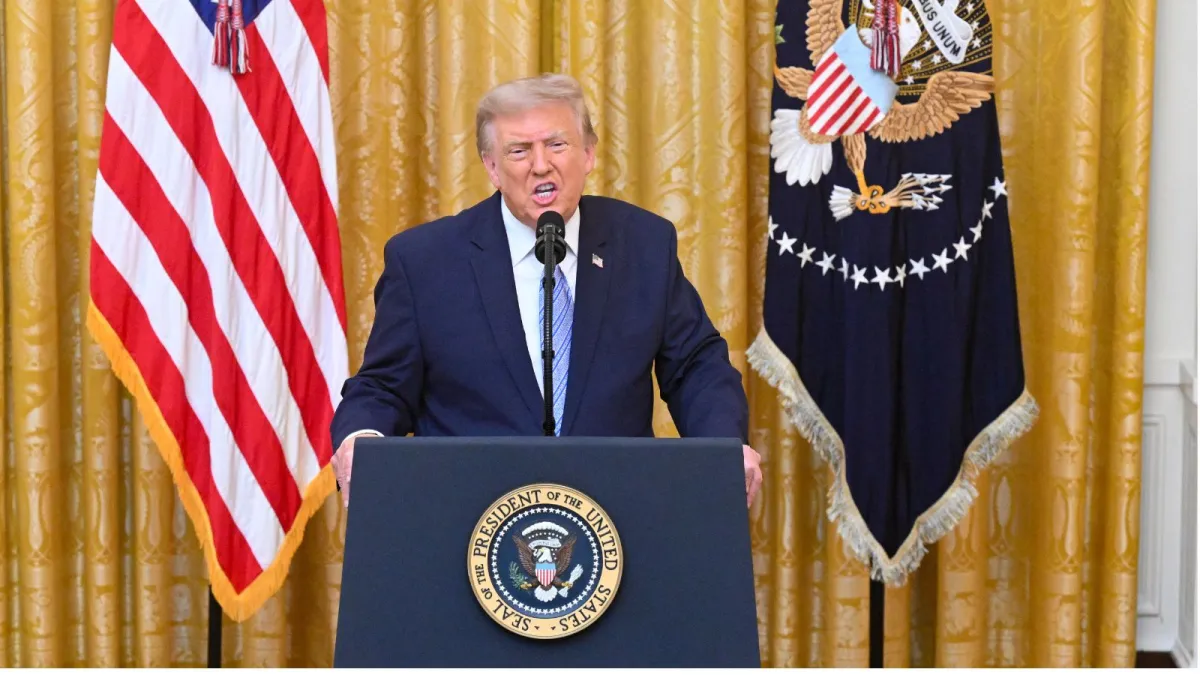
The continuing attacks have raised fresh questions about the duration and objectives of the US military campaign. US President Donald Trump indicated that Washington had no immediate intention of ending its offensive, warning that further attacks could follow.
Trump said the United States was “not finished” with its military operations against Iran and suggested that leaving the country immediately could allow Tehran to rebuild its damaged capabilities over the next two decades. His remarks signalled that Washington is preparing for a prolonged campaign rather than a quick conclusion to the conflict.
The US president also pointed to the possibility of future strikes against the area surrounding Pickaxe Mountain, a heavily fortified underground site located near Natanz and associated with Iran’s sensitive nuclear infrastructure. Trump indicated that the location could face a major attack, adding to fears that the conflict could move into an even more dangerous phase if nuclear-related facilities are targeted.
Iran has previously warned that any attack on its nuclear installations would represent a major escalation. Tehran has also threatened to retaliate against US interests, military positions and allied countries across the Middle East if the attacks continue.
The conflict has already expanded beyond the immediate borders of Iran. Iranian forces have reportedly targeted US military installations and facilities in the Gulf region, with Bahrain, Kuwait and Jordan reporting missile or drone attacks. Iraq also temporarily suspended flights at Erbil airport following attacks, reflecting the growing security concerns across the region.
The Strait of Hormuz has emerged as another major flashpoint. Iran has reportedly targeted another tanker in the strategically important waterway, while the Iran-aligned Houthi movement has threatened action against Saudi Arabia’s Red Sea ports. Any sustained disruption in these shipping routes could have significant consequences for global energy markets, given the importance of the region to international oil supplies.
Oil prices responded to the growing uncertainty. Brent crude moved above $92 a barrel, reaching its highest level in more than a month as traders assessed the potential impact of prolonged fighting on energy production and shipping. The possibility of further disruption around the Strait of Hormuz has added to concerns over global supply chains and fuel prices.
The economic cost of the conflict is also mounting for Washington. US War Secretary Pete Hegseth reportedly put the cost of the military campaign at approximately $37.5 billion, up from an earlier estimate of nearly $29 billion in May. The rising expenditure highlights the financial burden of sustaining a large-scale military operation while the timeline for an end to hostilities remains uncertain.
Meanwhile, diplomatic efforts have continued alongside the military confrontation. Pakistan has been involved in attempts to restart negotiations following the collapse of an interim ceasefire last month. Iranian Interior Minister Eskandar Momeni held discussions with Pakistan’s Prime Minister Shehbaz Sharif and Army Chief Asim Munir as part of ongoing diplomatic engagement.
The broader regional consequences are becoming increasingly difficult to contain. The conflict has drawn in US allies, Iranian partners and armed groups operating across the Middle East, while threats to shipping routes have increased the risk of a wider economic shock.
The latest developments also come amid reports of a new nuclear cooperation arrangement between the United States and Saudi Arabia that could potentially allow Riyadh to pursue uranium enrichment. Such a move could have wider implications for the regional nuclear balance and further intensify debates over nuclear proliferation in the Middle East.
With US airstrikes continuing for an 11th consecutive night, Iran warning of retaliation and oil markets reacting to the possibility of disruptions in key shipping routes, the conflict appears to be entering a particularly volatile phase. Trump’s warning that the US campaign is not over suggests that further military action could be imminent, while diplomatic initiatives have yet to produce a durable breakthrough.
For the international community, the immediate concern is whether the latest escalation will remain confined to the existing conflict or trigger a broader confrontation involving additional countries and strategic waterways. Any prolonged disruption in the Gulf, particularly around the Strait of Hormuz, could have consequences far beyond the battlefield, affecting energy prices, global trade and economic stability.
As both sides continue to signal determination, the prospect of a rapid de-escalation appears increasingly uncertain. The coming days are likely to be critical in determining whether diplomatic efforts can gain momentum or whether continued military operations will push the region toward an even wider crisis.