
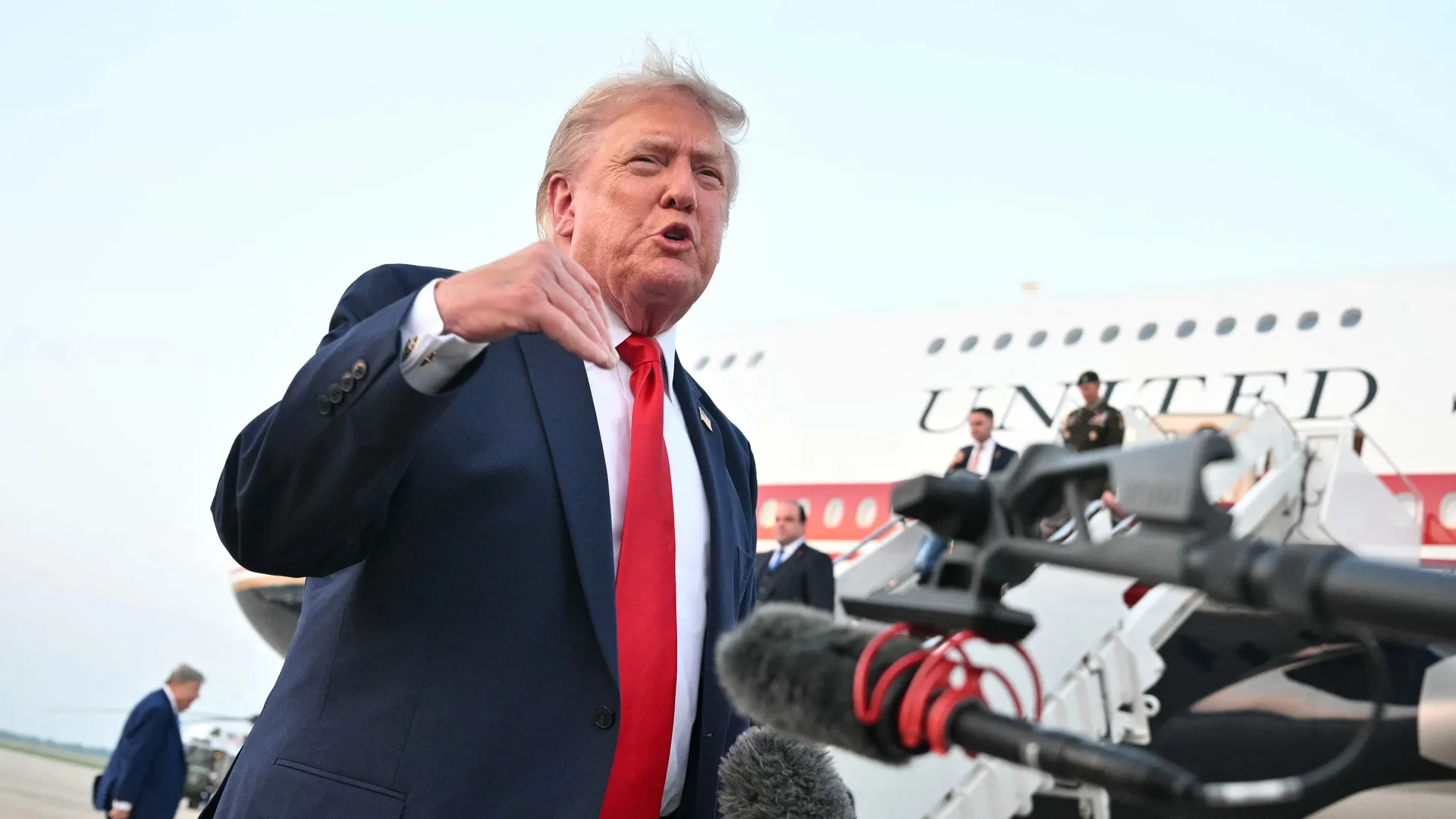
A fresh diplomatic initiative aimed at reducing tensions between the United States and Iran has emerged as the conflict continues to intensify, with regional mediators reportedly proposing a 10-day ceasefire to create an opportunity for negotiations to resume.
The proposal comes at a critical moment in the confrontation, with Washington and Tehran continuing to exchange military strikes and the strategic Strait of Hormuz becoming a major point of contention. While diplomatic efforts are being explored, the administration of US President Donald Trump is also preparing for the possibility of a broader military escalation if negotiations fail to produce an agreement.
Regional mediators, including Egypt, Pakistan and Qatar, are understood to have played a role in communicating the proposed temporary halt in hostilities to both sides. The initiative is intended to provide a cooling-off period during which the United States and Iran could attempt to revive an interim understanding that has come under increasing strain.
An Iranian official indicated that ideas put forward by mediators had been conveyed to Tehran. The proposed arrangement would reportedly suspend military hostilities for 10 days and provide space for renewed diplomatic engagement.
The proposal also involves efforts to restore maritime traffic through the Strait of Hormuz, one of the world’s most strategically important waterways. The waterway has become central to the latest phase of the confrontation, with disagreements over freedom of navigation emerging as one of the major obstacles to de-escalation.
Trump administration weighs diplomacy and military action
The developments highlight the difficult position facing the Trump administration. On one hand, Washington appears willing to consider a temporary ceasefire as a possible route toward renewed negotiations. On the other, US military preparations in the region indicate that the administration is not ruling out a significant expansion of its campaign against Iran.
Reports indicate that the United States has moved additional military assets into the region, including fighter aircraft and aerial refuelling capabilities. Such deployments could support a larger military operation should diplomatic efforts collapse.
The simultaneous pursuit of negotiations and military preparedness reflects the uncertainty surrounding the conflict. The ceasefire proposal could provide both sides with an opportunity to step back from direct confrontation, but the continued movement of military forces suggests that Washington wants to maintain pressure on Tehran while diplomatic channels remain open.
US officials have also reportedly encouraged Israel to avoid actions that could undermine the limited diplomatic opportunity currently available. The message underscores concerns that any further escalation could make it more difficult for mediators to bring the two sides back to negotiations. 
Strait of Hormuz becomes central to the confrontation
The Strait of Hormuz has emerged as one of the most sensitive issues in the conflict. The narrow maritime passage is vital to global energy supplies, and any sustained disruption to commercial shipping could have consequences far beyond the immediate region.
Under the proposed ceasefire framework, the resumption of shipping through the waterway would be a key component of the de-escalation process. The arrangement would also give Washington and Tehran time to attempt to revive an interim memorandum of understanding that has been rapidly deteriorating amid the continuing military confrontation.
Iran, however, has rejected demands that would guarantee unrestricted maritime traffic under the previous ceasefire framework. Tehran has maintained that it has the sovereign authority to regulate movement through the strategic waterway.
The disagreement has contributed to the widening regional dimension of the conflict. Iranian attacks have reportedly targeted US military installations in several countries, while American forces have continued operations against Iranian military infrastructure.
Military exchanges continue despite diplomatic efforts
The latest diplomatic initiative has emerged against the backdrop of continued military action.
US forces reportedly carried out strikes against Iranian military command facilities, missile launch locations and air defence systems. Iran, in response, launched attacks against American military positions in the region, including installations in Kuwait and Jordan.
The escalation has also raised concerns over the safety of commercial shipping. British naval authorities reported attacks involving two commercial vessels near the Strait of Hormuz, further highlighting the risks posed to international maritime traffic.
The ongoing attacks have made the proposed 10-day ceasefire particularly significant. A temporary halt could potentially reduce immediate military pressure, allow diplomatic channels to reopen and create conditions for a broader agreement. However, the continued exchange of fire demonstrates how difficult it may be to secure a lasting pause.
Trump issues fresh warning to Tehran
Trump has continued to adopt a firm position toward Iran, warning that American military personnel killed in the conflict would lead to further consequences for Tehran.
The US president has previously warned that American military operations could become more intense and that the list of targets could expand if Iran refuses to change its position.
His latest statements indicate that Washington intends to maintain a hard-line approach even while considering diplomatic options. The administration’s strategy appears to involve keeping military pressure on Iran while leaving room for negotiations through regional intermediaries.
Trump is also expected to participate in a ceremony honouring American service members killed during the conflict, an event that could further underline the domestic and political pressure surrounding the administration’s response.
What the proposed ceasefire could mean
If accepted, the 10-day ceasefire would represent a temporary pause rather than a permanent end to the US-Iran conflict. Its primary purpose would be to stop the immediate cycle of attacks and create enough diplomatic space for negotiations to resume.
The proposed arrangement could also address one of the most pressing regional concerns: the disruption of shipping through the Strait of Hormuz. Restoring normal maritime traffic would be important for regional stability and could help reduce pressure on global energy markets.
However, several major obstacles remain. The two sides continue to disagree over military operations, maritime access and broader security demands. Trust between Washington and Tehran has also been severely weakened by the escalation.
The role of regional mediators could therefore become increasingly important. Countries such as Pakistan, Qatar and Egypt may be able to provide communication channels between the two sides at a time when direct negotiations remain difficult.
A narrow window for diplomacy
The latest developments suggest that the conflict has reached a crucial crossroads. The emergence of a 10-day ceasefire proposal offers a possible diplomatic path, but the simultaneous military buildup demonstrates how fragile that opportunity remains.
For the ceasefire to succeed, both Washington and Tehran would need to agree to suspend hostilities and use the temporary pause to address the issues that have driven the conflict. Any major military action during the proposed cooling-off period could quickly undermine the initiative.
Israel’s actions could also influence the diplomatic environment, particularly as Washington seeks to prevent developments that might close the remaining space for negotiations.
For now, the Trump administration appears to be pursuing a dual-track strategy: exploring diplomacy while preparing for a potentially wider military confrontation. Whether the ceasefire proposal can halt the cycle of retaliation will depend on the willingness of the United States and Iran to step back from further escalation.
The coming days are therefore likely to be decisive. If the proposed pause leads to meaningful negotiations, it could become the first step toward a broader diplomatic settlement. If talks fail and military operations intensify, the conflict could enter a significantly more dangerous phase, with consequences extending across the Middle East and the global economy.