
The conflict between the United States and Iran intensified further on Tuesday as fresh military strikes, missile and drone attacks and growing threats to maritime traffic deepened fears of a wider regional confrontation. The latest escalation unfolded across multiple fronts, with US forces continuing their campaign against Iranian military targets while Tehran claimed that it had struck a US Patriot air defence system in Bahrain.
The latest developments have also raised renewed concerns about the security of the Strait of Hormuz, one of the world’s most strategically important waterways and a critical route for global energy shipments. A commercial tanker was reportedly hit near Oman’s coast, adding to a series of recent incidents involving shipping in the region.
The rapidly expanding conflict has brought military installations, commercial vessels and key energy routes into the centre of the confrontation. Both sides have intensified their rhetoric, while the possibility of further attacks has increased uncertainty across the Gulf and the wider Middle East.
Iran claims attack on US air defence system in Bahrain
Iran’s Islamic Revolutionary Guard Corps claimed that it had launched an attack against a US Patriot air defence system in Riffa, Bahrain, using missiles and drones late Monday. If confirmed, the reported strike would represent another significant escalation in the conflict and demonstrate the widening geographic reach of the confrontation.
Bahrain is strategically important to the United States because it hosts the US Navy’s Fifth Fleet, which plays a major role in maritime security operations across the Gulf and surrounding waters. Any direct attack on American military assets in the country could therefore carry broader implications for the regional security environment.
The reported strike came as the United States continued its military operations against Iranian targets. The development also highlighted the growing vulnerability of US military facilities and allied positions across the region as Iran seeks to respond to American attacks.
US conducts 10th consecutive night of strikes
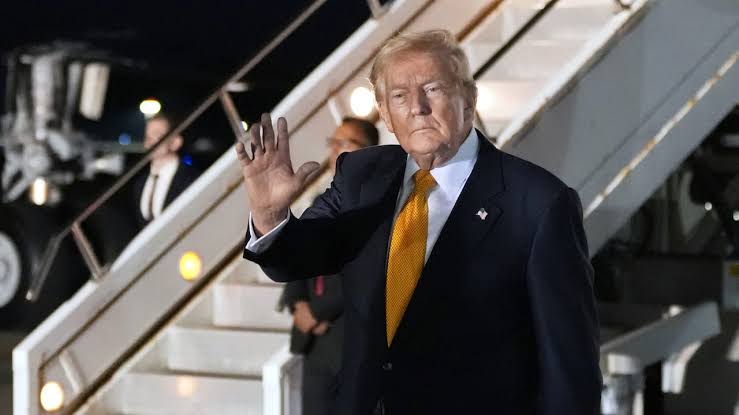
The United States carried out another round of strikes against Iran, marking the 10th consecutive night of military operations, according to the report. The latest campaign followed President Donald Trump’s warning that Tehran would face consequences following the deaths of American soldiers.
US military officials said the operations were aimed at weakening Iran’s ability to launch attacks and disrupting its military capabilities. The campaign reportedly included strikes against Iranian military command centres, maritime capabilities, missile and drone launch sites, and air defence systems.
The United States has also linked its military actions to the security of commercial shipping through the Strait of Hormuz. Washington has argued that degrading Iran’s military infrastructure is necessary to reduce the threat posed to vessels travelling through the strategically vital waterway.
The continuing air campaign has significantly raised the stakes in the conflict. With military operations now extending over several consecutive nights, concerns are growing that the confrontation could become prolonged and increasingly difficult to contain. 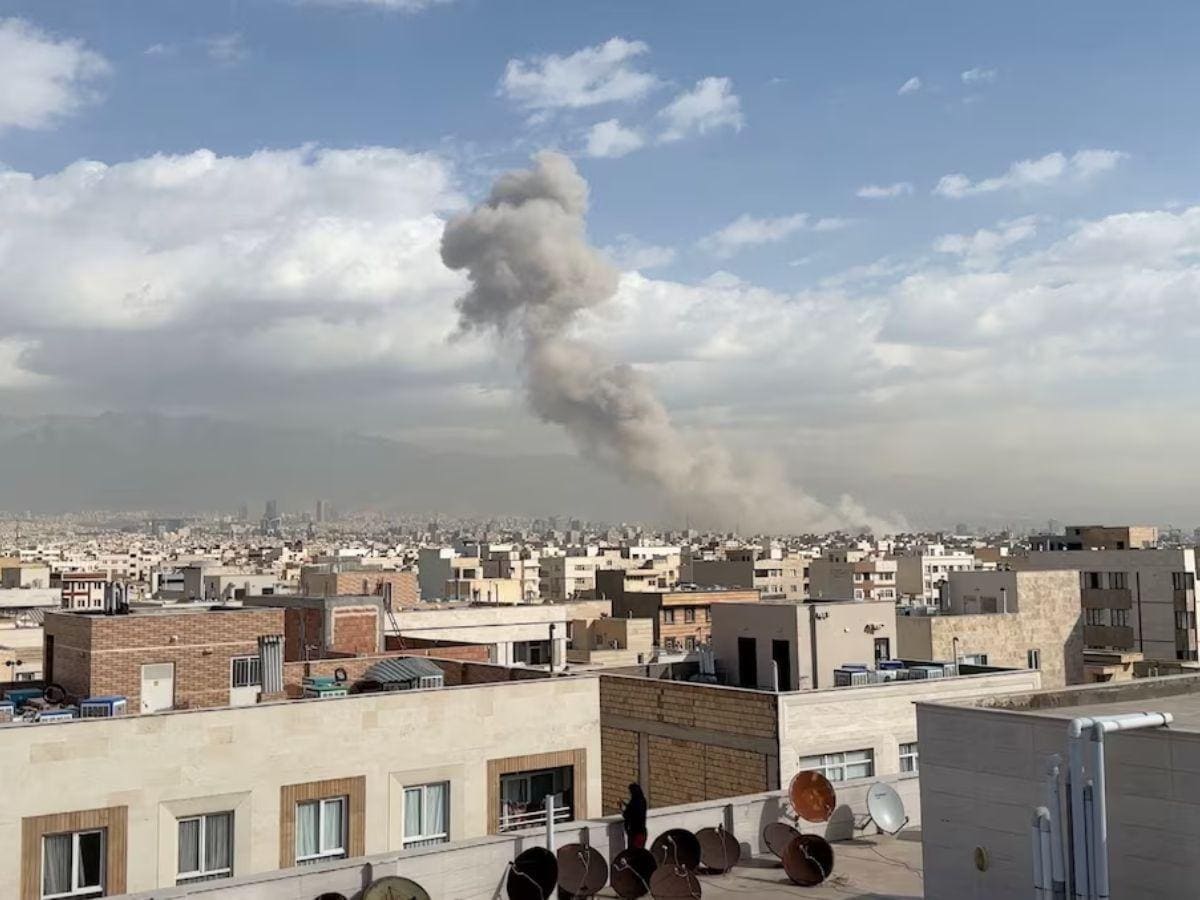
Commercial tanker hit near Strait of Hormuz
The security situation around the Strait of Hormuz became even more uncertain after a commercial tanker was reportedly struck off the coast of Oman early Tuesday.
The incident was described as the latest in a series of attacks affecting commercial shipping in and around the strategic waterway. The vessel reportedly informed maritime authorities that it had been hit by an unidentified projectile.
The attack has intensified concerns among shipping operators and governments about the safety of vessels passing through the region. The Strait of Hormuz is a crucial maritime corridor for international energy markets, making any prolonged disruption potentially significant for global oil supplies, shipping costs and economic stability.
The latest incident reportedly followed two similar attacks within the preceding 24 hours. The repeated attacks have increased pressure on regional and international authorities to strengthen maritime security and protect commercial traffic.
Rising threat to global energy routes
The growing violence around the Strait of Hormuz is one of the most serious consequences of the escalating US-Iran conflict. The waterway connects the Persian Gulf with the Gulf of Oman and is a major route for the transportation of oil and other energy products.
Any sustained disruption could have consequences far beyond the Middle East. Shipping companies could face increased insurance costs and security risks, while energy markets could react sharply to concerns about supply disruptions.
The latest attacks have therefore turned the conflict into a broader international security issue. Governments are closely monitoring developments, particularly as military activity and threats against commercial vessels occur simultaneously.
The situation is also complicated by the involvement of regional actors and Iran-aligned groups, increasing the possibility that the conflict could spread beyond direct US-Iran military exchanges.
Iran declares it is fighting a ‘full-scale war’
Iranian President Masoud Pezeshkian described the confrontation with the United States as a “full-scale war”, reflecting the seriousness of Tehran’s response to the expanding American military campaign.
The statement came amid a series of military developments across the region and indicated that Iranian officials view the conflict as having entered a more dangerous phase.
Iran’s response has extended beyond direct military rhetoric, with the broader regional network of allied groups also becoming increasingly relevant. Yemen’s Houthi rebels reportedly threatened to blockade Saudi ports, raising the prospect of further disruption to regional trade and energy routes.
Such a development could create additional pressure on Saudi Arabia and potentially affect alternative routes used to transport oil outside the Strait of Hormuz. It would also broaden the conflict’s economic and strategic impact across the Gulf.
US military deaths add to tensions
The Pentagon identified two US Army soldiers killed in Jordan during Iranian ballistic missile and drone attacks on Friday. The deaths marked a significant moment in the conflict, representing the first reported US troop fatalities caused by direct Iranian fire since the early stages of the confrontation.
The soldiers were identified as First Lieutenant Tyler James Feehan, 25, of Hawaii, and Private Isabella Gonzales, 19, of Texas.
Feehan was expected to receive a posthumous promotion to captain, along with the Bronze Star, Purple Heart and Combat Action Badge.
The deaths have added a deeply personal dimension to the escalating conflict and could further influence Washington’s military and political response. Trump’s warning that Iran would “pay” for the deaths of American soldiers has already contributed to concerns that the US campaign could intensify.
Conflict enters a dangerous new phase
The latest developments demonstrate how rapidly the US-Iran confrontation is expanding beyond traditional military targets. Air strikes and missile attacks are now occurring alongside threats to military bases, commercial shipping and strategic waterways.
The reported attack on a US defence system in Bahrain, continued US strikes against Iranian military infrastructure and the reported targeting of a commercial tanker near the Strait of Hormuz all point to a conflict with increasingly serious regional and global consequences.
The possibility of further attacks remains a major concern. With Iran declaring a full-scale war and the United States continuing its military campaign, diplomatic efforts to contain the confrontation face an increasingly difficult environment.
The Strait of Hormuz remains at the centre of international attention. Any sustained interruption to shipping through the waterway could affect energy markets worldwide, while further attacks on US forces or regional allies could trigger additional military retaliation.
As the conflict enters another critical stage, the immediate focus is likely to remain on whether the United States and Iran can prevent the confrontation from expanding further—or whether continued attacks across the Gulf will push the region into an even broader and more dangerous war.