
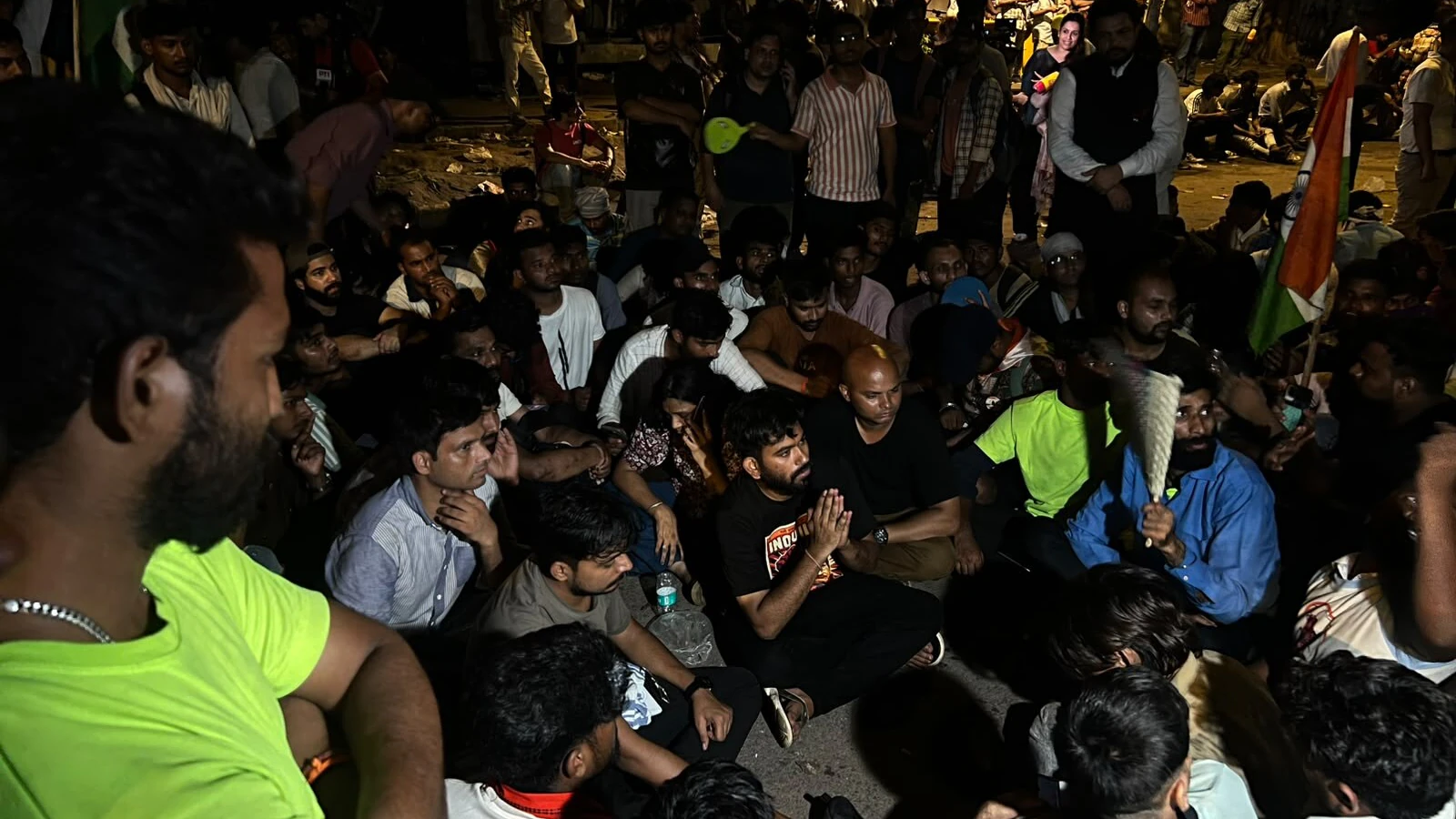
The Cockroach Janta Party (CJP) will not attempt another march towards Parliament, its founder Abhijeet Dipke said on Monday, following a tense protest in the national capital that he alleged resulted in injuries to several young demonstrators.
Dipke said the organisation would continue its protest but would avoid another attempt to march to Parliament, citing concerns over the safety of the participants. His remarks came after a confrontation between protesters and police during Monday’s demonstration, with Dipke accusing the Delhi Police of using excessive force to disperse the gathering.
According to Dipke, the decision was taken because the protesters, many of whom he described as young students, could face further injuries if another march was attempted. He alleged that the police response during the previous day’s demonstration had been excessively aggressive and that young participants were subjected to physical force.
Speaking about the incident, Dipke accused the police of “brutality and cruelty” and claimed that several protesters were assaulted during the dispersal operation. He alleged that some young demonstrators suffered injuries amid the police action and the subsequent commotion.
Dipke made particularly serious allegations regarding the treatment of female protesters. He claimed that a 12-year-old girl was among those injured and questioned the use of male police personnel during the handling of the demonstration. The allegations could not be independently verified from the information available.
He also claimed that another young woman was in critical condition at Ram Manohar Lohia Hospital after allegedly being struck on the neck with a baton. According to Dipke, the woman fell following the alleged blow, after which a stampede reportedly took place. He held the police and the central government responsible should her condition worsen.
The CJP leader further questioned why authorities had resorted to baton action instead of using alternative crowd-control measures. He argued that water cannons could have been deployed if the police wanted to prevent the protesters from advancing towards Parliament.
Dipke said the protesters had been holding their demonstration peacefully for nearly a month and alleged that Monday’s confrontation marked a significant escalation. According to his account, the situation deteriorated after police allegedly used batons, triggering panic and a stampede among the gathering. 
The CJP founder also raised questions about the presence of stones in the vicinity of Jantar Mantar, where the protest was taking place. He alleged that the security arrangements around the demonstration site were sufficiently strict to make the presence of large quantities of stones difficult to explain.
Dipke claimed that protesters and members of the organisation had been subjected to extensive security checks, including searches of their bags and pockets. He also pointed to barricades and restrictions on movement around the area, arguing that these measures raised questions about how trucks carrying stones could allegedly have reached locations near the protest site.
The allegations formed part of a broader claim by Dipke that Monday’s events were deliberately orchestrated. He accused the Delhi Police of planning the confrontation in advance, though he did not provide publicly verified evidence to substantiate the claim.
He further alleged that some individuals in civilian clothes were given batons and claimed that they were later involved in the assault on protesters while appearing to be police personnel. Dipke also alleged that some individuals had their name tags removed before protesters were beaten.
These allegations remain disputed and would require independent investigation and corroboration. The claims made by the CJP leader were presented as allegations and could not be independently established based on the available information.
The controversy comes amid continuing political and public attention around the protest movement, with the demonstrations drawing attention to the demands raised by the organisers and the response of law-enforcement authorities.
Dipke’s decision not to lead another march towards Parliament represents a change in the immediate strategy of the protest group. While the organisation intends to continue its agitation, concerns about the safety of young participants appear to have influenced its decision to avoid another direct march.
The development also highlights the growing tension surrounding protests in the national capital, where questions over crowd management, the use of force and the rights of demonstrators remain sensitive issues. Any further investigation into Monday’s events could determine the circumstances that led to the confrontation, the extent of injuries suffered by protesters and whether the allegations regarding police conduct are supported by evidence.
For now, the CJP has indicated that it will continue its protest through other means rather than making another attempt to march to Parliament. Dipke’s remarks suggest that the group intends to maintain pressure over its demands while avoiding a repeat of the confrontation that, according to his allegations, left several young protesters injured.