
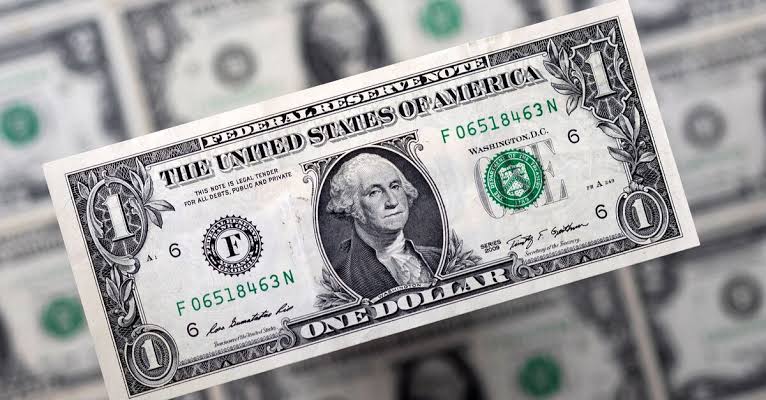
A proposed sanctions bill targeting Russia has sparked growing debate among economists, policymakers, and financial analysts over its potential impact on the global economy. While the legislation is designed to increase pressure on Moscow over its continued military actions and international conduct, experts believe the measure could also produce unintended consequences for the United States by weakening the international influence of the US dollar.
The proposed legislation aims to impose significantly tougher economic penalties on Russia while extending pressure to countries and companies that continue to maintain substantial business ties with Moscow. If enacted, the bill would represent one of the most aggressive sanctions packages introduced against Russia since the conflict in Ukraine intensified.
What the Proposed Bill Seeks to Achieve
The legislation focuses on expanding sanctions beyond Russia itself by targeting foreign entities that continue importing Russian energy, commodities, or other strategic goods. These so-called secondary sanctions are intended to discourage global businesses from engaging with Russia by increasing the financial risks associated with such transactions.
Supporters of the proposal argue that stronger economic restrictions would further isolate Russia from the international financial system, reduce its export revenues, and limit its ability to finance military operations. They believe coordinated financial pressure remains one of the most effective tools available without direct military involvement.
However, critics warn that extending sanctions to third-party countries may have broader geopolitical and economic implications that extend well beyond Russia.
Concerns Over the US Dollar’s Global Position
One of the primary concerns raised by analysts is the possible erosion of the US dollar’s role as the world’s dominant reserve and trading currency.
For decades, the dollar has served as the preferred currency for international trade, cross-border investments, commodity pricing, and central bank reserves. Much of America’s financial influence stems from this dominant position, allowing Washington to enforce sanctions through the global banking system.
If countries increasingly view the dollar as a geopolitical tool rather than a neutral financial instrument, they may accelerate efforts to diversify away from it. Several nations have already explored conducting bilateral trade using local currencies or alternative payment systems to reduce dependence on the US financial infrastructure.
Experts suggest that additional sanctions could reinforce these trends, encouraging more governments to seek financial arrangements outside the dollar-based system. 
Rise of Alternative Payment Systems
The discussion surrounding the proposed legislation comes at a time when several major economies are actively working to expand payment mechanisms that reduce reliance on the US dollar.
Countries including China and Russia have promoted settlements in their domestic currencies for certain international transactions. Some emerging economies have also explored regional payment networks and currency agreements aimed at increasing financial independence.
Although the dollar remains overwhelmingly dominant in global finance, analysts note that continued geopolitical tensions and repeated use of sanctions may gradually encourage diversification over the long term.
Potential Economic Consequences
Economists caution that while sanctions can achieve important foreign policy objectives, they may also create unintended economic side effects.
Should more countries shift portions of their international trade away from the dollar, the United States could eventually face reduced demand for its currency. Such changes could influence borrowing costs, financial markets, and the broader international monetary system over time.
Businesses engaged in global trade may also face increased compliance costs, uncertainty, and disruptions as they navigate expanding sanctions regimes. Financial institutions would likely need to strengthen monitoring systems to ensure adherence to evolving regulations.
Meanwhile, energy markets could experience additional volatility if restrictions significantly affect Russian exports or alter existing trade routes.
Global Diplomatic Implications
The legislation also raises diplomatic questions regarding relations between the United States and countries that continue maintaining economic ties with Russia.
Some governments may view secondary sanctions as an attempt to influence their independent foreign policy decisions. This could lead to tensions with strategic partners that rely on Russian energy supplies or maintain longstanding commercial relationships with Moscow.
Balancing national security objectives with maintaining strong international alliances remains a complex challenge for US policymakers.
Will the Dollar Lose Its Dominance?
Despite growing discussion about de-dollarization, many financial experts believe the US dollar remains deeply entrenched within the global financial system.
Its widespread use in international trade, deep capital markets, legal stability, and liquidity continue to provide significant advantages that are difficult for competing currencies to replicate. Consequently, while the proposed sanctions bill may contribute to ongoing diversification efforts, most analysts do not expect an immediate or dramatic decline in the dollar’s global status.
Instead, they suggest the measure could gradually accelerate an existing trend in which some countries seek greater flexibility in international transactions by reducing exclusive dependence on the US currency.
Looking Ahead
The proposed sanctions bill remains under legislative consideration, and its final provisions could undergo revisions before any formal approval. Its outcome will be closely watched by governments, financial markets, multinational corporations, and global investors.
Beyond its immediate objective of increasing pressure on Russia, the legislation has reignited a broader debate over the future of international finance, the effectiveness of economic sanctions, and whether repeated use of financial restrictions could gradually reshape the balance of global monetary power.
As discussions continue, policymakers will face the challenge of pursuing strategic foreign policy goals while preserving the long-term strength and credibility of the international financial system anchored by the US dollar.