
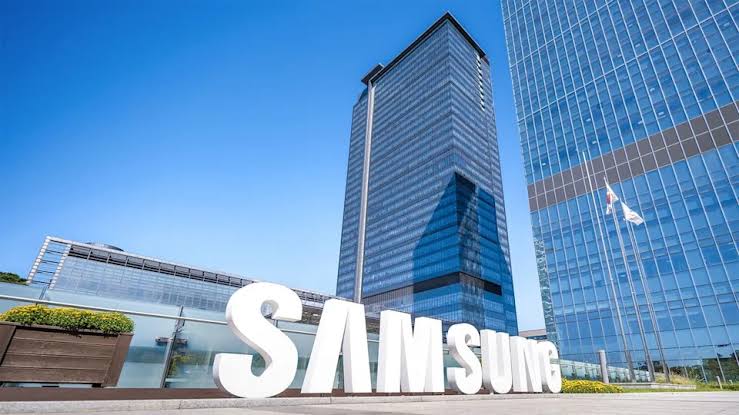
Samsung has announced a significant workforce restructuring in the United States, confirming that 739 employees will be affected as the company continues shifting its headquarters operations to Texas. The move marks one of the company’s notable organizational changes in the US in recent years and reflects broader efforts to streamline operations while adapting to changing business priorities.
The restructuring comes at a time when global technology companies are reassessing their operational strategies, reducing costs, and consolidating resources amid evolving market conditions. Samsung’s latest decision underscores the challenges facing major electronics manufacturers as they seek to balance long-term investment with operational efficiency.
Hundreds of Employees Impacted
According to official filings, Samsung will eliminate 739 positions as part of the transition associated with relocating key headquarters functions. The layoffs are expected to affect employees across multiple departments, with the workforce reduction taking place in phases according to regulatory requirements.
The company has indicated that the decision forms part of a broader restructuring strategy rather than a complete withdrawal from the US market. Samsung continues to maintain substantial investments in the United States across manufacturing, semiconductor development, research, and consumer electronics.
The affected employees are expected to receive notifications and support measures in accordance with applicable employment regulations.
Headquarters Operations Shift to Texas
Samsung has increasingly expanded its presence in Texas over the past several years, making the state a strategic hub for several of its business operations. The relocation of headquarters functions aligns with the company’s long-term plans to strengthen its footprint in one of the country’s leading technology and manufacturing regions.
Texas has become an attractive destination for major corporations due to its growing technology ecosystem, business-friendly environment, skilled workforce, and expanding infrastructure. By consolidating operations in the state, Samsung aims to improve coordination, enhance operational efficiency, and support future business growth.
The headquarters transition is expected to centralize several corporate functions while positioning the company closer to key manufacturing and semiconductor investments already established in Texas. 
Part of a Wider Technology Industry Trend
Samsung’s restructuring reflects a broader pattern across the global technology industry. Over the past few years, several major technology companies have reduced their workforce while reorganizing business units in response to changing consumer demand, economic uncertainty, and shifting investment priorities.
Following periods of rapid hiring during years of strong market growth, many corporations have adopted cost-control measures, streamlined management structures, and redirected investments toward emerging technologies such as artificial intelligence, advanced semiconductor manufacturing, cloud computing, and next-generation consumer electronics.
Industry analysts note that workforce reductions do not necessarily indicate declining business performance. Instead, such measures often accompany strategic realignment aimed at improving long-term competitiveness and operational efficiency.
Samsung Maintains Strong US Presence
Despite the announced layoffs, Samsung continues to be one of the largest foreign investors in the United States. The company operates across multiple sectors, including smartphones, televisions, home appliances, semiconductor manufacturing, memory chips, display technology, and research and development.
Its manufacturing and semiconductor facilities remain central to its North American operations, with Texas serving as a key location for future expansion plans. Samsung has also invested heavily in advanced chip manufacturing infrastructure, reflecting the growing importance of domestic semiconductor production in the United States.
The company is expected to continue recruiting talent in specialized technical and engineering roles as it expands high-priority business segments, even while reducing positions in other areas.
Impact on Employees
For employees affected by the restructuring, the layoffs represent a significant career transition. Workforce reductions of this scale often involve severance packages, career assistance programs, and other forms of employee support, depending on company policies and applicable labor regulations.
Industry observers note that displaced workers may find opportunities within the broader technology sector, particularly in regions experiencing continued growth in semiconductor manufacturing, engineering, software development, and advanced electronics.
The restructuring also highlights the importance of workforce adaptability as companies continue adjusting to rapidly changing technological and economic conditions.
Business Strategy Moving Forward
Samsung’s decision signals a continued emphasis on operational efficiency and long-term strategic planning. By consolidating headquarters functions in Texas while maintaining its investments across manufacturing and technology development, the company aims to strengthen its competitive position in the North American market.
The move is expected to support closer integration between corporate leadership, manufacturing operations, and future technology initiatives. As the global electronics industry continues to evolve, companies like Samsung are increasingly aligning their workforce and operational structures with long-term growth objectives.
Although the workforce reduction affects hundreds of employees, Samsung’s broader investment strategy in the United States remains substantial. The headquarters transition represents another step in the company’s ongoing efforts to modernize operations, improve efficiency, and prepare for future expansion in critical technology sectors.