

The Central Government is preparing to introduce a new Bill in Parliament that seeks to make the deliberate insult or disrespect of ‘Vande Mataram’, India’s national song, a punishable offence. The proposed legislation is expected to strengthen legal protection for one of the country’s most significant national symbols and place it alongside existing laws safeguarding the National Flag and the National Anthem.
According to official sources, the proposed Bill is aimed at preserving the dignity and sanctity of ‘Vande Mataram’, which has long held a special place in India’s freedom movement and national identity. The government believes that while the song carries immense historical and emotional significance, there is currently no dedicated legislation specifically dealing with acts of intentional insult against it.
Government Seeks Stronger Legal Protection
The proposed legislation is expected to define what constitutes intentional insult or disrespect towards ‘Vande Mataram’ and prescribe penalties for individuals found guilty under the law. While the exact punishment and legal provisions are likely to be revealed when the Bill is formally tabled in Parliament, the objective is to create a clear legal framework protecting the national song.
Officials indicate that the move reflects the government’s broader effort to reinforce respect for national symbols and strengthen public awareness about their constitutional and historical importance.
If enacted, the law would provide authorities with specific legal provisions to address cases involving deliberate acts that undermine the dignity of the national song.
Historical Importance of ‘Vande Mataram’
‘Vande Mataram’ occupies a unique position in India’s history. Written by Bankim Chandra Chattopadhyay in his novel Anandamath, the song became a powerful symbol during India’s struggle for independence. Freedom fighters across the country adopted it as a slogan of patriotism and resistance against colonial rule.
Recognising its historical value, India granted ‘Vande Mataram’ the status of the national song, while ‘Jana Gana Mana’ remains the country’s national anthem.
Over the decades, the song has been regarded as a representation of patriotism, national unity, and cultural heritage. Various educational institutions, government functions, and public events continue to feature the song as part of official ceremonies. 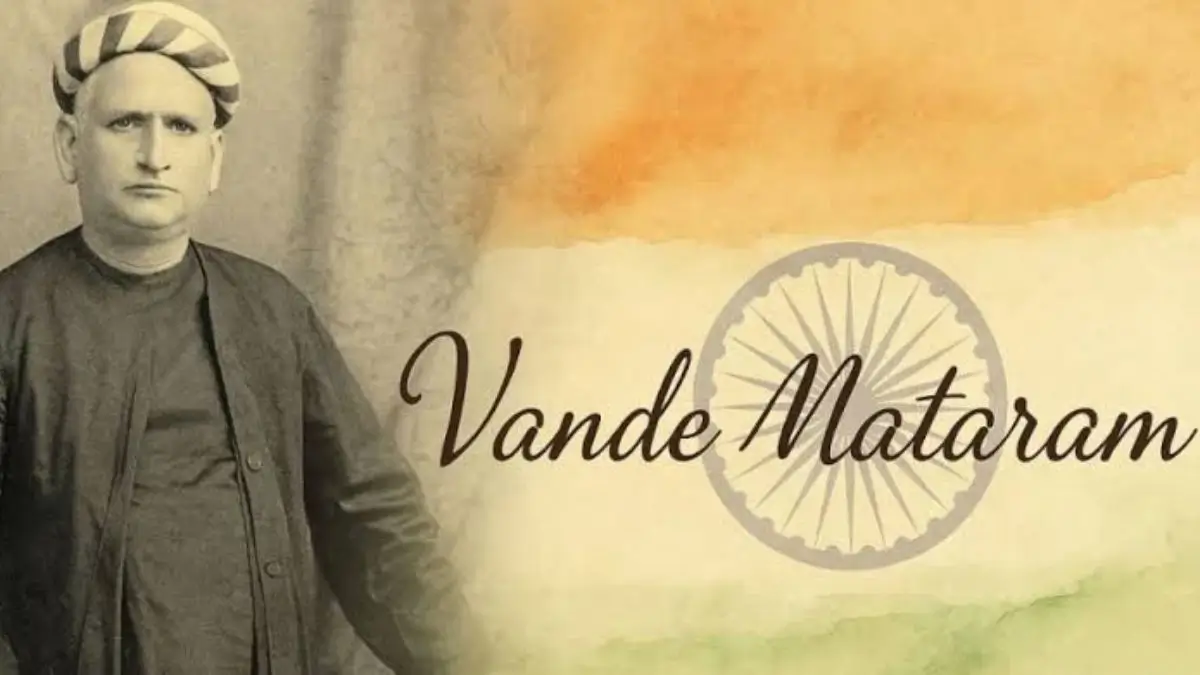
Existing Legal Framework
India already has laws protecting certain national symbols. The Prevention of Insults to National Honour Act, 1971, provides legal safeguards against disrespect towards the National Flag and the National Anthem. However, legal experts have often pointed out that ‘Vande Mataram’ does not receive identical statutory protection under the existing law.
The proposed Bill seeks to address this legislative gap by introducing specific provisions focused exclusively on the national song.
Parliamentary Debate Expected
The introduction of the Bill is likely to generate extensive discussion during the upcoming parliamentary session. Members of Parliament are expected to debate various aspects of the legislation, including its scope, implementation, constitutional implications, and the definition of acts considered disrespectful.
Legal experts may also examine how the proposed law aligns with constitutional guarantees relating to freedom of expression while balancing the government’s objective of protecting national honour.
As with any legislation, the Bill will undergo parliamentary scrutiny before any final decision is taken. It must be debated, approved by both Houses of Parliament, and receive presidential assent before becoming law.
Significance of the Proposed Legislation
The government’s proposal reflects a continuing emphasis on safeguarding symbols associated with India’s national identity and freedom movement. Supporters of the initiative argue that stronger legal protection would reinforce respect for the country’s heritage and patriotic values.
At the same time, the proposed legislation is expected to invite broader legal and constitutional discussions regarding its interpretation and enforcement. The parliamentary process will determine the final shape of the Bill, including the nature of penalties, definitions, and safeguards included in the legislation.
If passed, the law would mark a significant development in India’s legal framework governing national symbols, extending statutory protection to ‘Vande Mataram’ and establishing penalties for deliberate acts of insult against the national song.