
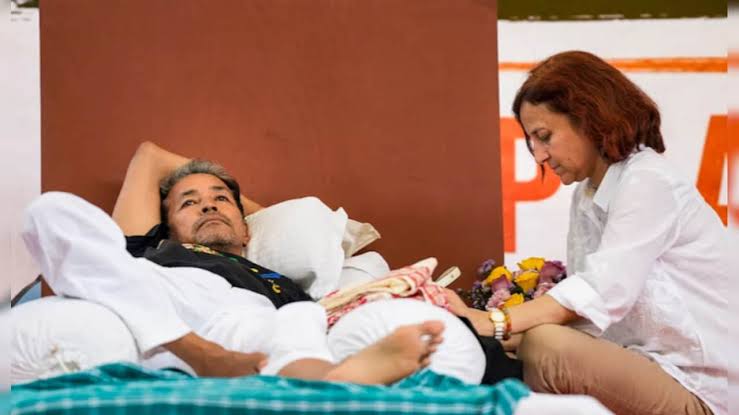
The legal battle surrounding environmental activist Sonam Wangchuk has taken another significant turn after his wife, Gitanjali Angmo, approached the Delhi High Court challenging a recent judicial order that permitted his transfer from custody to a hospital. The fresh petition has brought renewed attention to the circumstances of Wangchuk’s detention, his medical condition, and the legal safeguards available to individuals held in custody.
The matter is expected to be examined by the Delhi High Court, where Angmo has questioned the legality and necessity of the order that facilitated Wangchuk’s transfer to a medical facility. Her petition seeks judicial intervention, arguing that the decision requires closer scrutiny in light of the activist’s rights and the broader legal implications of his continued custody.
Fresh Legal Challenge
According to court proceedings, Gitanjali Angmo has filed a fresh plea requesting the High Court to review the lower court’s decision regarding Wangchuk’s hospitalisation. The petition reportedly raises concerns about the manner in which the order was passed and whether it adequately protects the activist’s legal and constitutional rights.
The appeal also seeks clarity on the conditions under which Wangchuk is being held and the circumstances leading to his transfer to a hospital. His wife has urged the court to carefully evaluate whether due legal procedures were followed before the decision was implemented.
Background of the Case
Sonam Wangchuk has been at the centre of public attention in recent weeks following legal proceedings connected to his activism. Known for his advocacy on environmental conservation, sustainable development, education reforms, and issues concerning the Himalayan region, Wangchuk has often participated in peaceful campaigns aimed at drawing attention to public policy matters.
His detention and subsequent medical transfer have generated considerable public interest, with supporters expressing concern over his health and well-being while legal proceedings continue.
The latest petition adds another dimension to the ongoing legal dispute, shifting focus from custody alone to the judicial decisions governing his treatment and medical care. 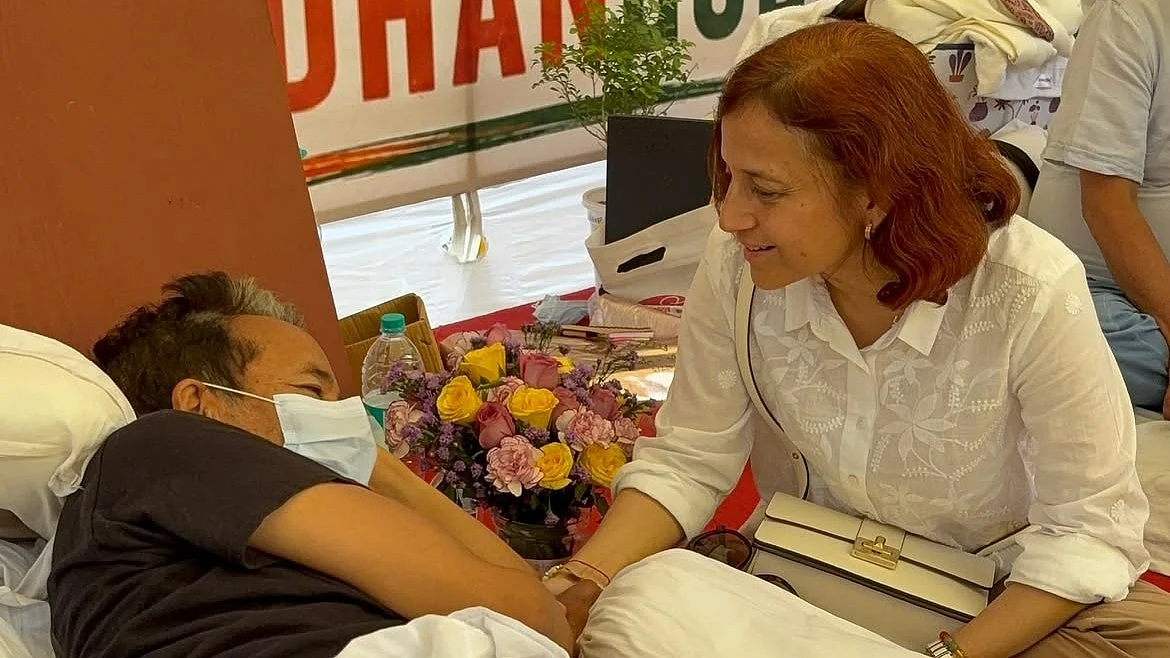
Questions Over Medical Transfer
The petition reportedly questions whether transferring Wangchuk to a hospital under judicial orders adequately addresses concerns regarding his condition and legal rights. While medical care remains an essential aspect of custodial responsibility, the plea argues that the court should independently examine the necessity, transparency, and legal basis of such decisions.
The case also raises broader questions about balancing medical considerations with judicial oversight whenever individuals in custody require specialised healthcare.
Court to Examine Legal Issues
The Delhi High Court is expected to hear the matter and determine whether the challenged order warrants modification, suspension, or further examination. During the proceedings, the court may seek responses from the authorities involved before deciding on the next course of action.
Legal experts note that such petitions often involve multiple constitutional considerations, including the right to life, access to proper medical treatment, personal liberty, and procedural fairness. The High Court’s observations could therefore have implications beyond the immediate dispute, particularly in cases involving the treatment of individuals in custody.
Public Attention on the Proceedings
The case has attracted widespread attention due to Wangchuk’s prominence as an environmental campaigner and public figure. His work on sustainable living, climate awareness, educational innovation, and Himalayan ecology has earned national and international recognition, making developments in his legal case closely followed by civil society groups and supporters.
As the proceedings continue, the court’s decision is expected to clarify important legal issues surrounding custodial rights, medical care, and judicial oversight. The outcome may also influence future discussions on how authorities handle the healthcare needs of individuals undergoing legal proceedings while ensuring compliance with constitutional protections.
With the High Court set to hear the fresh plea, all eyes remain on the judiciary as it considers the legal arguments presented by both sides before delivering its decision.