
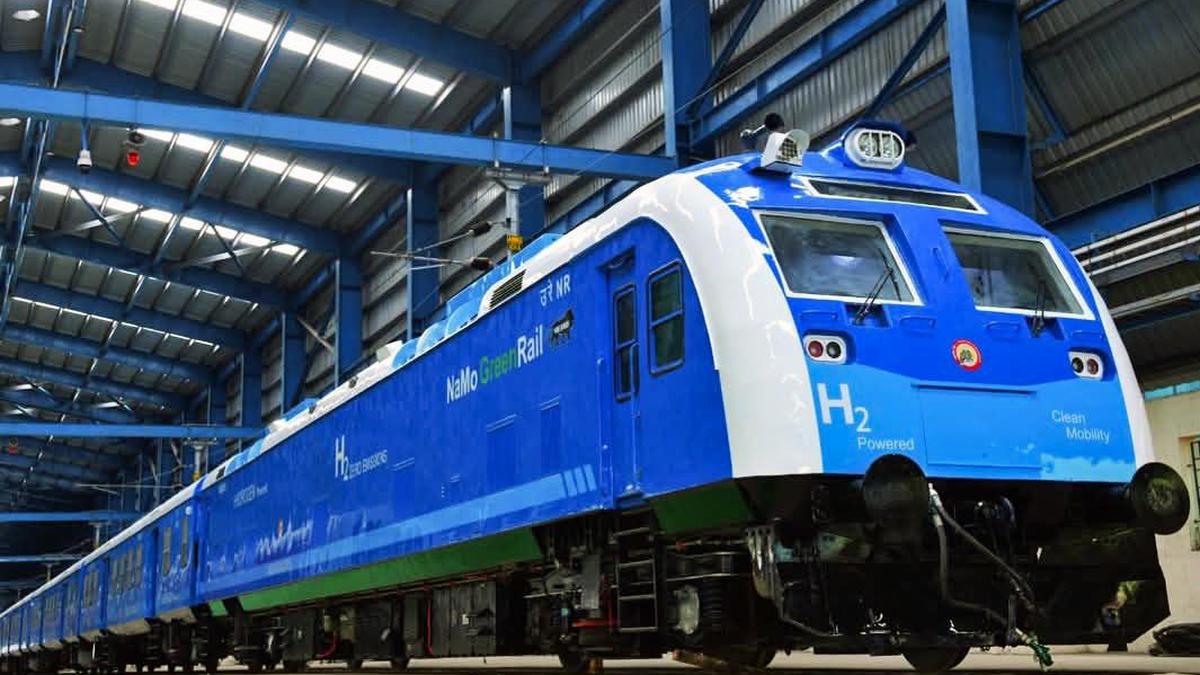
India is set to achieve a historic milestone in railway innovation as Prime Minister Narendra Modi prepares to inaugurate the country’s first hydrogen-powered train. The project represents a significant advancement in India’s efforts to modernize its railway network while reducing carbon emissions and promoting environmentally friendly transportation.
The launch of the hydrogen-powered train is expected to strengthen India’s commitment to clean energy and sustainable infrastructure. As one of the world’s largest railway networks, Indian Railways has been actively working to adopt greener technologies that reduce dependence on fossil fuels and contribute to the nation’s long-term climate goals.
A Landmark Project for Indian Railways
The hydrogen-powered train is regarded as one of the most ambitious green transportation initiatives undertaken by Indian Railways. Unlike conventional diesel-powered locomotives, hydrogen trains generate electricity through fuel cells that combine hydrogen with oxygen. The process produces electricity to power the train while emitting only water vapor and heat as by-products, making it a clean alternative to traditional rail transport.
This technology significantly reduces greenhouse gas emissions, lowers air pollution, and minimizes the environmental impact of railway operations. The introduction of hydrogen-powered trains also aligns with India’s broader vision of developing sustainable transportation systems capable of meeting future energy and environmental challenges.
Officials believe the project demonstrates India’s growing capability in adopting advanced technologies that support cleaner mobility solutions while maintaining operational efficiency across the railway network.
Supporting India’s Green Energy Vision
The launch forms part of India’s larger strategy to expand the use of hydrogen as a clean energy source across multiple sectors. The government has been promoting hydrogen-based technologies under its broader clean energy initiatives, recognizing hydrogen as a key fuel that can help reduce dependence on conventional fossil fuels.
Hydrogen-powered transportation has emerged globally as a promising solution for reducing emissions, particularly on railway routes where complete electrification may not be immediately practical. By introducing hydrogen trains, India aims to diversify its clean transportation options while accelerating progress toward a low-carbon economy.
The project also complements ongoing efforts to modernize Indian Railways through electrification, renewable energy adoption, improved infrastructure, and advanced railway technologies. 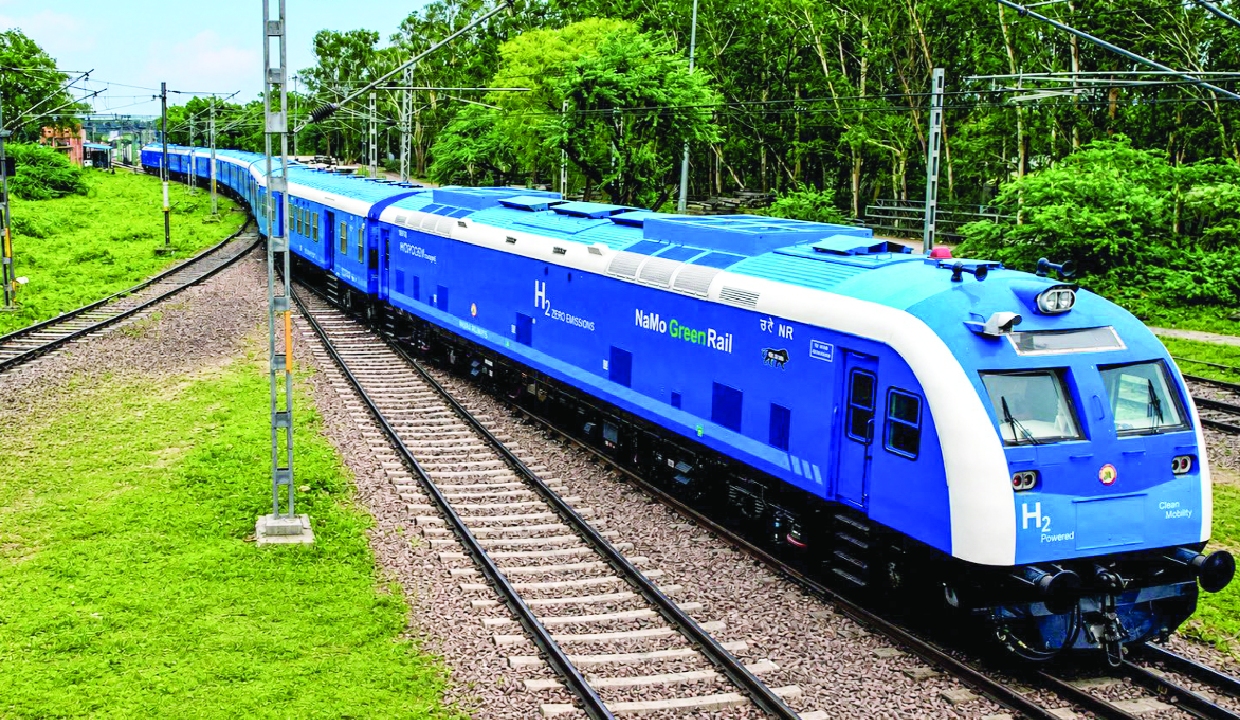
How Hydrogen-Powered Trains Work
Hydrogen-powered trains operate using fuel cell technology instead of traditional diesel engines. Hydrogen stored onboard is supplied to fuel cells, where it reacts with oxygen from the atmosphere. This chemical reaction produces electricity that powers the train’s electric motors.
Since the process does not involve combustion, harmful emissions such as carbon dioxide, nitrogen oxides, and particulate matter are significantly reduced. The only major by-products are water vapor and heat, making hydrogen-powered trains among the cleanest forms of rail transportation currently available.
In addition to environmental benefits, hydrogen-powered trains are generally quieter than diesel locomotives, improving passenger comfort and reducing noise pollution in surrounding communities.
Advancing Sustainable Railway Infrastructure
Indian Railways has been undertaking several initiatives to improve energy efficiency and reduce its environmental footprint. The introduction of hydrogen-powered trains represents another important step in transforming the railway system into a cleaner and more sustainable mode of transport.
The project highlights the government’s focus on integrating innovation with public infrastructure. Investments in clean transportation technologies are expected to contribute to long-term reductions in fuel consumption, operational emissions, and environmental impact while supporting India’s commitments toward sustainable development.
Railway experts believe hydrogen technology could become particularly valuable for routes where overhead electrification is difficult or economically challenging. Such trains provide an environmentally friendly alternative without requiring extensive electrical infrastructure.
Strengthening India’s Position in Green Mobility
The introduction of hydrogen-powered rail technology places India among a growing group of countries exploring alternative fuels for public transportation. Around the world, several nations have begun testing or operating hydrogen-powered trains as governments seek cleaner transport solutions to address climate change and improve air quality.
India’s entry into hydrogen-powered rail operations reflects its expanding investment in emerging clean technologies and reinforces its ambition to become a leader in sustainable mobility. The initiative is expected to encourage further research, innovation, and industrial development in hydrogen production, storage, and fuel cell manufacturing.
The project may also create opportunities for collaboration between government agencies, research institutions, and industry partners working on next-generation energy solutions.
Economic and Environmental Benefits
Apart from reducing emissions, hydrogen-powered trains have the potential to contribute to India’s long-term energy security by encouraging the development of domestic hydrogen production. As hydrogen infrastructure expands, the technology could reduce reliance on imported fossil fuels while supporting new industries and employment opportunities.
The environmental benefits extend beyond carbon reduction. Cleaner railway operations can help improve air quality, particularly in regions where diesel locomotives remain in operation. The adoption of hydrogen technology also supports broader national goals related to sustainable urban development and climate resilience.
Although hydrogen-powered rail systems require substantial investment in production, storage, refueling infrastructure, and maintenance facilities, experts view them as an important component of future transportation networks.
A Significant Milestone for India’s Railway Future
The launch of India’s first hydrogen-powered train represents more than a technological achievement. It symbolizes the country’s determination to embrace innovation while balancing economic growth with environmental responsibility.
As Indian Railways continues to modernize its infrastructure and adopt cleaner energy solutions, hydrogen-powered trains could play an increasingly important role in shaping the future of rail transportation. The initiative reflects India’s commitment to sustainable development, energy transition, and world-class public transport infrastructure.
The inauguration marks the beginning of a new chapter for Indian Railways, demonstrating how advanced clean-energy technologies can transform one of the nation’s most essential public transportation systems while supporting a greener and more sustainable future.