
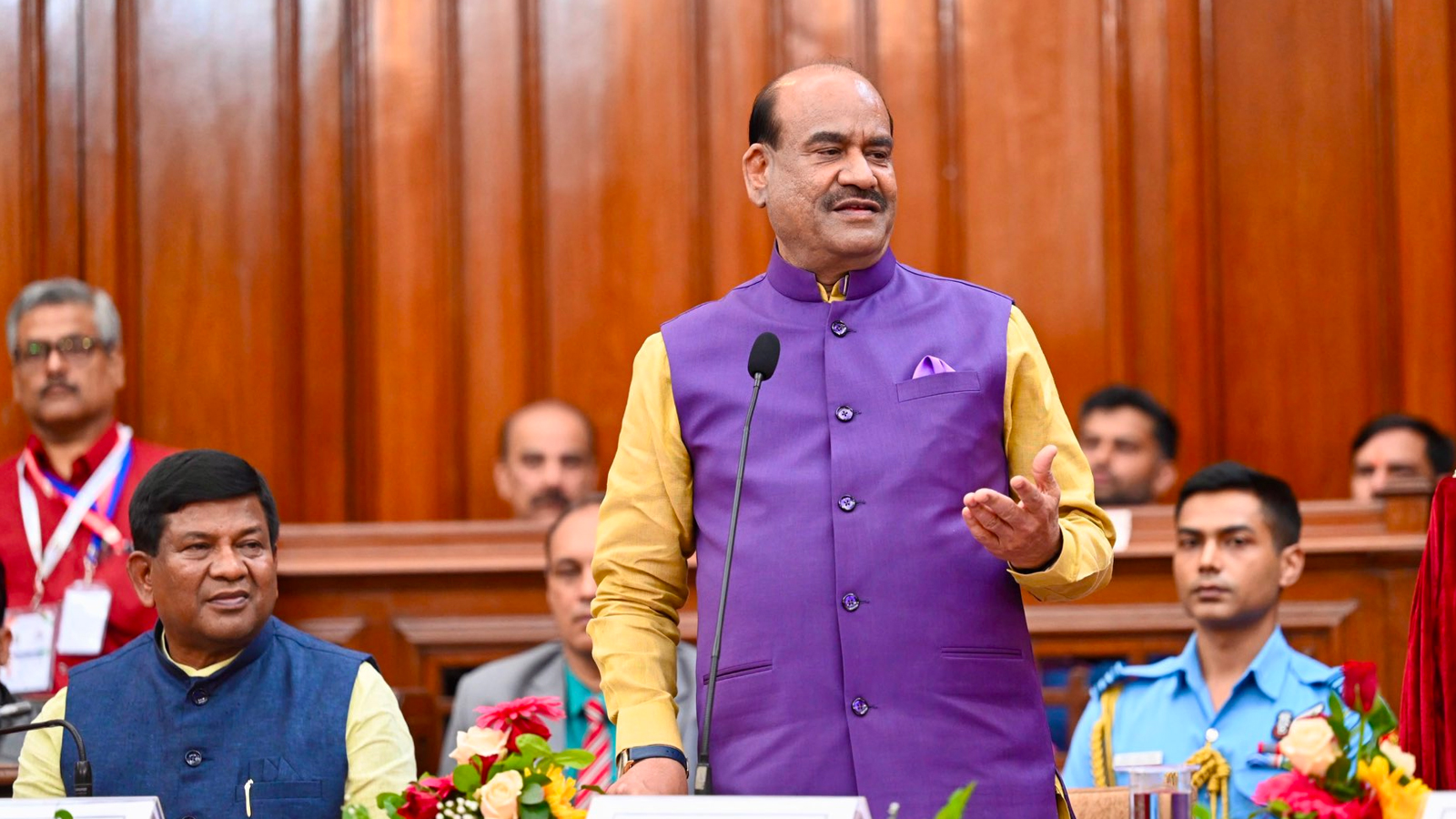
Lok Sabha Speaker Om Birla has emphasized that legislatures serve as the primary training ground for future leaders and play a vital role in preserving democratic values and strengthening governance. Highlighting the importance of legislative institutions, he said elected representatives must uphold constitutional principles, encourage meaningful debates, and work with a deep sense of responsibility towards the people they represent.
Addressing a gathering focused on democratic governance and legislative functioning, Birla underlined that legislatures are much more than law-making bodies. According to him, they are institutions where public representatives develop leadership qualities, gain practical governance experience, and learn the importance of accountability and public service.
He stressed that democracy flourishes when legislatures function effectively, allowing diverse viewpoints to be discussed and decisions to be made through healthy debate and consensus. Legislators, he noted, carry the responsibility of ensuring that the voices of citizens are reflected in policymaking while maintaining the dignity and traditions of democratic institutions.
Legislatures Play a Key Role in Leadership Development
Om Birla observed that many distinguished leaders have emerged after years of experience in legislative bodies. He said assemblies and Parliament provide representatives with opportunities to understand public issues in depth, sharpen their decision-making abilities, and develop administrative skills that prepare them for larger leadership responsibilities.
He explained that the legislative process encourages elected members to engage with complex social, economic, and developmental issues. Through committee work, debates, discussions, and interactions with experts, legislators gain valuable knowledge that strengthens governance and public administration.
According to Birla, the experience gained inside legislatures equips public representatives to make informed decisions that benefit society while ensuring transparency and accountability in governance. 
Democracy Depends on Healthy Parliamentary Traditions
The Speaker highlighted the importance of maintaining the dignity, decorum, and traditions of legislative institutions. He said constructive debates and respectful dialogue are essential for the smooth functioning of democracy.
He urged lawmakers to prioritize national interest over political differences and ensure that discussions inside legislative chambers remain focused on public welfare. Healthy democratic practices, he said, strengthen citizens’ trust in institutions and improve the quality of governance.
Birla also emphasized that disagreement is a natural part of democracy, but discussions should always remain respectful and aimed at finding solutions to public issues.
Upholding Constitutional Values
Speaking about India’s democratic framework, Birla reiterated that the Constitution provides the guiding principles for governance and legislative functioning. He said elected representatives have a constitutional obligation to protect democratic institutions while working for inclusive development and social progress.
He encouraged legislators to remain committed to transparency, integrity, and accountability in public life. By adhering to constitutional values, representatives can reinforce public confidence in democratic institutions and contribute to the country’s long-term development.
Encouraging Responsible Public Service
The Lok Sabha Speaker also spoke about the importance of public service as the central responsibility of every elected representative. He said lawmakers should maintain regular engagement with citizens, understand their concerns, and ensure that legislative decisions address the real needs of society.
He observed that effective leadership is built on continuous learning, public interaction, and a commitment to serving people with honesty and dedication. Legislatures, he added, provide an environment where representatives can develop these qualities throughout their public careers.
Strengthening Democratic Institutions
Birla concluded by reaffirming that strong legislative institutions are fundamental to a vibrant democracy. He said Parliament and state legislatures not only enact laws but also shape future leadership, encourage accountability, and uphold democratic traditions.
He called upon legislators to preserve the credibility of these institutions through disciplined conduct, informed participation, and constructive dialogue. By fulfilling their responsibilities with sincerity, elected representatives can ensure that democratic governance remains responsive, transparent, and effective for future generations.
The Speaker’s remarks underscored the enduring significance of legislatures as institutions that nurture leadership, safeguard constitutional values, and reinforce the democratic foundations of the nation.