
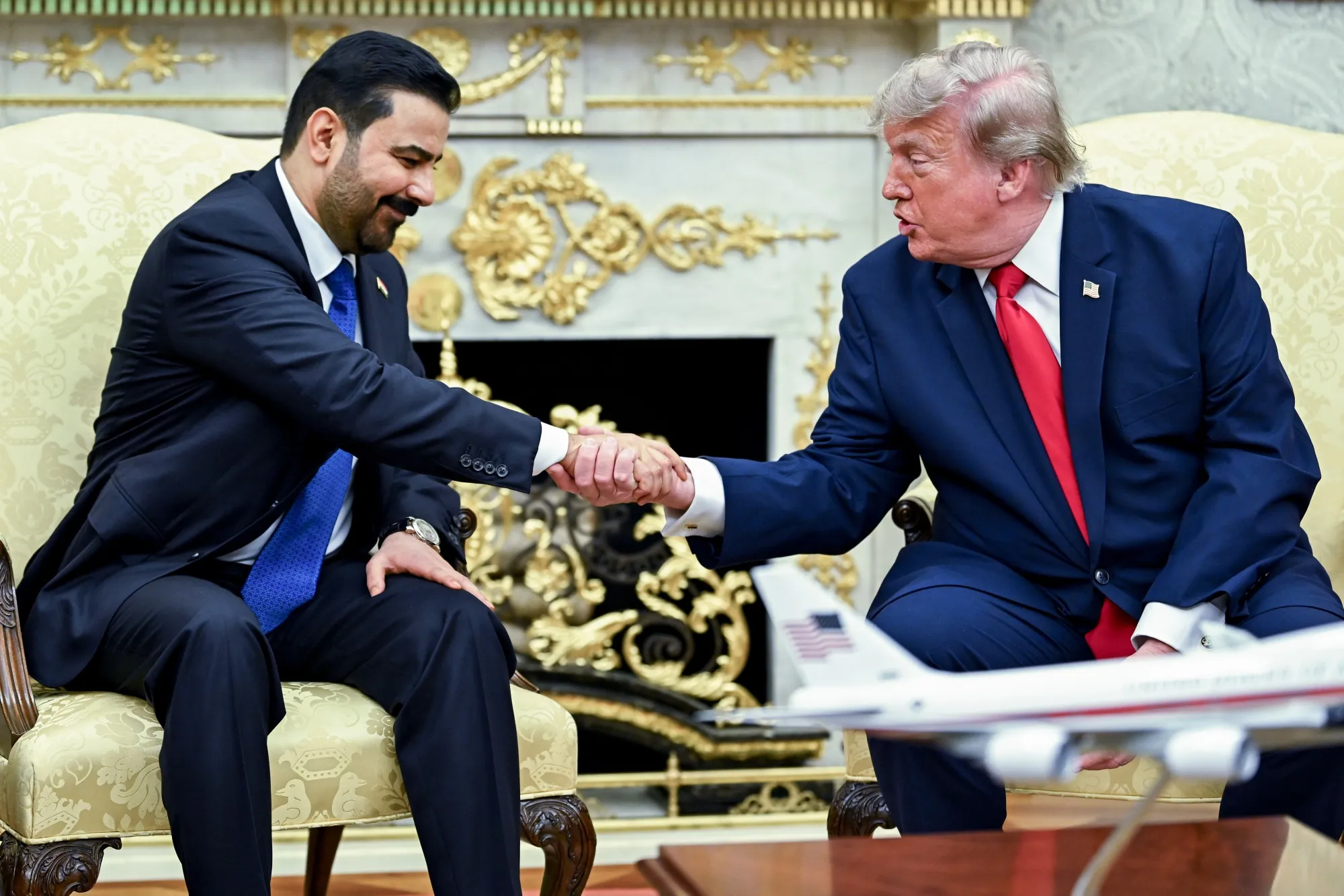
The United States and Iraq appear to be moving toward a new phase of economic cooperation after US President Donald Trump suggested that major oil agreements could soon be announced between the two countries. The comments came during Iraqi Prime Minister Mohammed Shia al-Sudani’s official visit to Washington, where discussions focused heavily on energy investments, economic cooperation, and strengthening bilateral relations.
Trump described the potential agreements as “massive oil deals,” indicating that both governments are working to expand collaboration in Iraq’s energy sector. While specific details of the proposed projects were not immediately disclosed, the announcement has drawn attention from international energy markets and foreign policy observers due to Iraq’s significant role as one of the world’s largest oil-producing nations.
Energy Cooperation at the Centre of Talks
Energy emerged as one of the primary subjects during the high-level discussions. Iraq possesses some of the largest proven crude oil reserves globally and continues to seek international investment to modernize its production facilities, improve infrastructure, and increase output capacity.
The United States has maintained a long-standing interest in supporting Iraq’s energy development through investment, technology transfer, and private-sector participation. Expanded cooperation could benefit both countries by boosting production efficiency while creating new business opportunities for American energy companies.
Officials believe stronger partnerships in oil exploration, refining, and infrastructure development could contribute significantly to Iraq’s economic growth while reinforcing long-term strategic ties with Washington.
Economic Partnership Beyond Oil
Although oil dominated the discussions, both leaders also emphasized broader economic cooperation. Areas including infrastructure development, trade, investment, technology, and industrial collaboration were reportedly explored as part of efforts to diversify bilateral relations.
For Iraq, attracting foreign investment remains essential for rebuilding its economy, creating employment opportunities, and improving public services. The government has increasingly encouraged international companies to participate in large-scale infrastructure and development projects aimed at accelerating economic reforms.
The United States views Iraq as an important strategic partner in the Middle East, with economic cooperation serving as a key pillar of long-term regional engagement.
Strategic Importance of Iraq’s Energy Sector
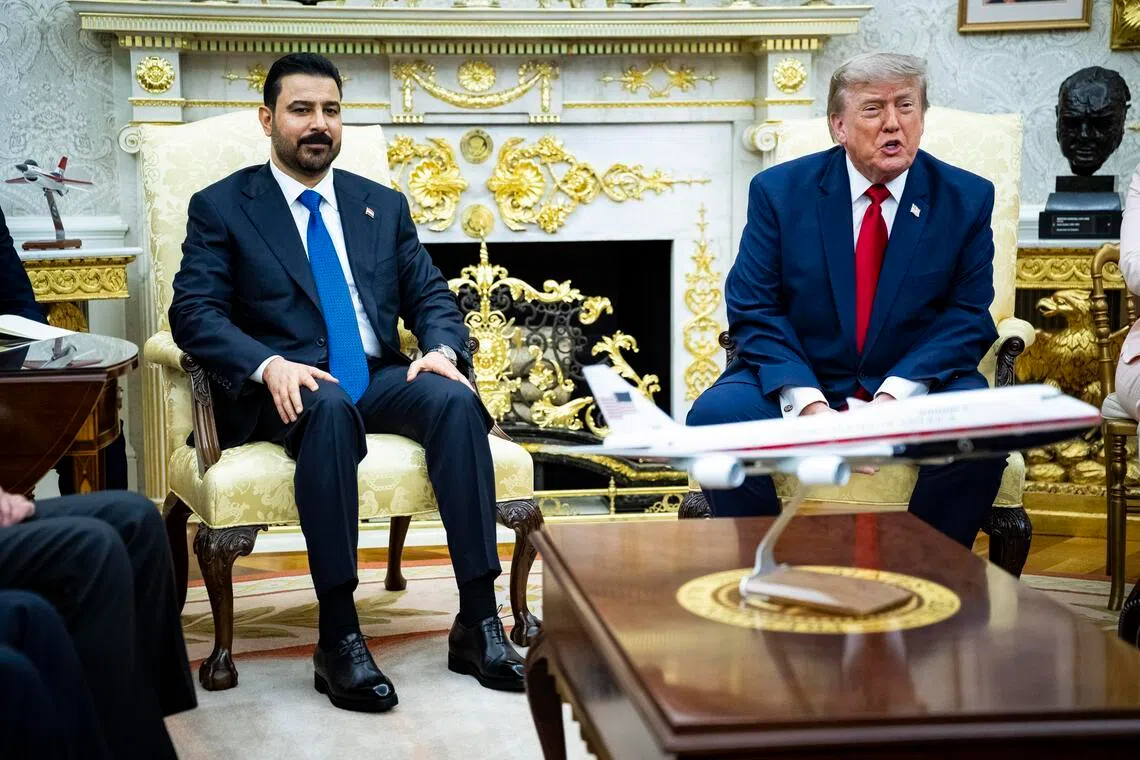
Iraq remains one of the world’s leading oil exporters, making developments in its energy sector closely watched by global markets. Any significant investment agreements involving American companies could strengthen Iraq’s production capabilities while contributing to greater stability in international energy supplies.
The country’s vast oil reserves continue to attract interest from global energy firms seeking long-term investment opportunities. Improved infrastructure and modern extraction technologies could further enhance Iraq’s position within international energy markets.
Analysts note that increased foreign investment could also support Iraq’s broader economic modernization efforts while helping reduce operational challenges affecting parts of its energy industry.
Diplomatic Significance of the Visit
Prime Minister Mohammed Shia al-Sudani’s visit reflects ongoing efforts by both governments to strengthen diplomatic engagement despite regional security challenges. The discussions covered not only economic matters but also the broader strategic relationship between Washington and Baghdad.
Officials from both countries have repeatedly highlighted the importance of maintaining cooperation in areas including regional stability, security coordination, counterterrorism, and economic development. Strengthening commercial ties is viewed as an important component of sustaining long-term diplomatic relations.
The visit also demonstrated both governments’ willingness to deepen cooperation through practical economic initiatives rather than relying solely on security partnerships.
Potential Impact on Global Energy Markets
If finalized, large-scale oil agreements between the United States and Iraq could have significant implications for the international energy sector. Increased investment in Iraqi oil infrastructure may lead to higher production capacity over the coming years, helping meet growing global energy demand.
Industry experts believe modern technology, capital investment, and expanded international partnerships could improve operational efficiency across Iraq’s oil fields. Such developments may also enhance the country’s ability to remain a reliable supplier in global energy markets.
While the exact scale and timeline of the proposed agreements remain uncertain, Trump’s remarks have generated considerable interest among investors and energy analysts monitoring developments in the Middle East.
Looking Ahead
The discussions between President Donald Trump and Prime Minister Mohammed Shia al-Sudani indicate that both countries are seeking to strengthen their economic partnership through expanded cooperation in the energy sector. Although formal agreements have yet to be announced, the prospect of major oil investments reflects a shared interest in enhancing bilateral trade, attracting investment, and supporting long-term economic growth.
As negotiations continue, observers will closely watch for official announcements that could reshape energy cooperation between the United States and Iraq while influencing regional economic dynamics and the global oil industry.