
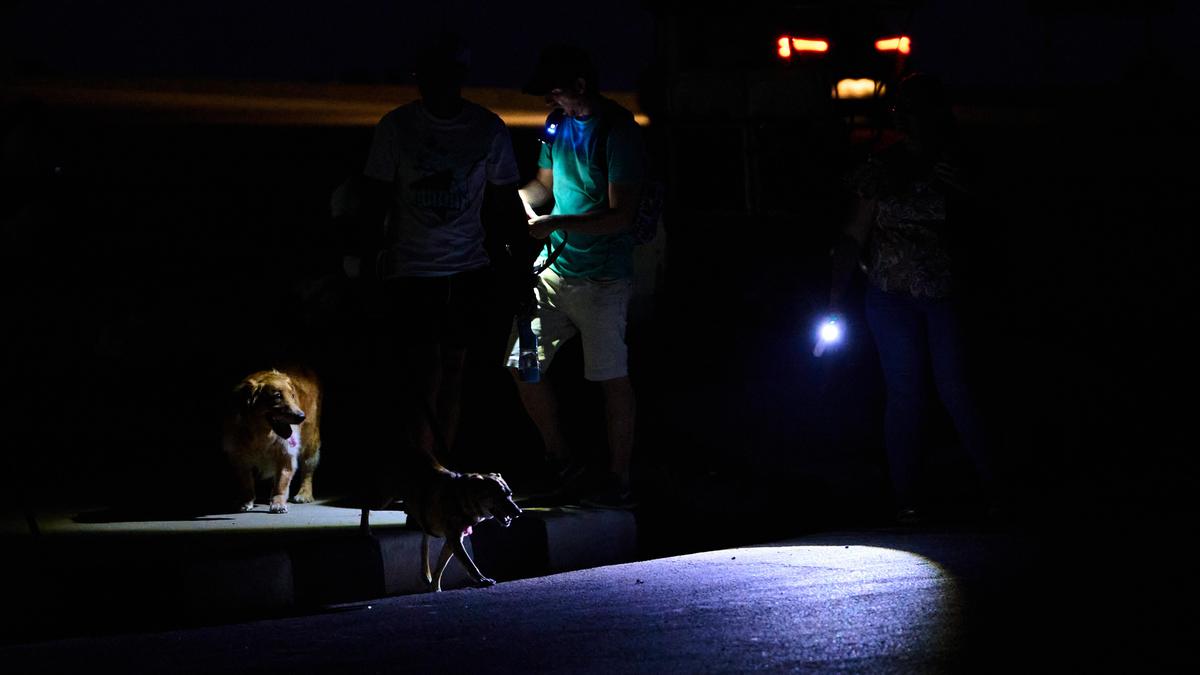
Cuba experienced another nationwide power outage on Friday, marking the second island-wide blackout within a week and highlighting the worsening condition of the country’s aging electricity infrastructure. The latest collapse left millions of residents without electricity, disrupting transportation, communications, businesses, healthcare services, and everyday life across the Caribbean nation.
The repeated breakdown has intensified concerns over the stability of Cuba’s power system, which has been under severe pressure due to outdated infrastructure, limited fuel supplies, and years of underinvestment. Authorities have begun efforts to restore electricity, but experts warn that recurring failures indicate deeper structural problems that cannot be resolved through temporary repairs alone.
Second Nationwide Collapse in Just Days
The latest blackout struck after a major failure within the national electricity transmission system triggered a cascading shutdown of power generation across the island. The sudden disruption quickly spread throughout the country’s interconnected grid, resulting in a complete loss of electricity in multiple provinces.
The outage comes only days after Cuba experienced another nationwide blackout, raising fears that the country’s electrical network is becoming increasingly unstable. Repeated system failures have made electricity supply unpredictable, affecting millions of households and businesses.
Officials confirmed that emergency response teams immediately began work to isolate damaged sections of the network and gradually restart power plants. However, restoring electricity across an entire national grid is a complex process that often requires many hours before normal operations can resume.
Millions Face Disruptions to Daily Life
The blackout brought normal life to a standstill in many parts of the country. Homes were left without lighting, air conditioning, refrigeration, and internet connectivity. Public transportation services faced interruptions, while businesses, restaurants, and commercial establishments were forced to suspend operations.
Hospitals and other essential facilities relied on backup generators to continue providing critical services. Authorities prioritized electricity restoration for healthcare institutions, emergency response centers, and other key public infrastructure before extending supply to residential areas.
Traffic signals stopped functioning in several cities, creating congestion and forcing traffic police to manually direct vehicles. Mobile communication and internet services were also affected in numerous regions due to the loss of power. 
Aging Infrastructure Under Growing Pressure
Energy specialists have long warned that Cuba’s electrical system is operating under significant strain. Much of the country’s power generation relies on aging thermal power plants that frequently require maintenance and suffer unexpected breakdowns.
The electricity network has also struggled with limited access to fuel, aging transmission lines, and increasing demand during periods of high temperatures. These challenges have reduced the system’s reliability and increased the likelihood of large-scale outages.
The repeated failures demonstrate the vulnerability of an electricity grid that has seen decades of limited modernization. Experts believe long-term investment in power generation, transmission infrastructure, and alternative energy sources will be necessary to improve grid stability.
Economic Challenges Add to the Crisis
Cuba’s ongoing economic difficulties have complicated efforts to maintain and upgrade its energy infrastructure. Financial constraints have limited the availability of replacement equipment, spare parts, and fuel needed to keep power plants operating efficiently.
The energy crisis has become one of the country’s most pressing domestic challenges, affecting industrial production, agriculture, tourism, and public services. Frequent electricity shortages have also impacted food storage, manufacturing operations, and commercial activities.
Businesses continue to face operational uncertainty as recurring outages interrupt production schedules and increase economic losses. Residents have also been forced to adapt to prolonged periods without electricity, particularly during hot summer weather.
Authorities Continue Restoration Efforts
Government agencies and power sector engineers are working to gradually reconnect generating units and stabilize the national grid. Electricity restoration typically occurs in phases to avoid placing excessive stress on the system while power plants are brought back online.
Officials have urged citizens to remain patient as technical teams continue repairs and monitor the grid for stability before restoring full nationwide service.
Despite ongoing restoration efforts, the recurrence of island-wide blackouts within such a short period has renewed concerns about the long-term resilience of Cuba’s electricity system and the urgent need for comprehensive infrastructure improvements.
Outlook
The second nationwide blackout in a single week underscores the severity of Cuba’s ongoing energy crisis. While emergency crews continue working to restore power, the repeated failures expose deeper weaknesses within the country’s aging electrical infrastructure. Without significant modernization, investment, and improved energy security, experts warn that similar large-scale outages may continue to affect millions of Cubans in the future.