

A tragic medical incident in Kerala has sparked widespread concern after a two-year-old child died following the administration of anaesthesia for the treatment of what was reportedly a minor injury. The heartbreaking case has prompted health authorities to initiate an investigation to determine whether established medical procedures were followed and if any negligence contributed to the child’s death.
According to preliminary information, the toddler had sustained a relatively minor injury and was taken to a hospital for treatment. Doctors reportedly decided that a medical procedure requiring anaesthesia was necessary. During or shortly after the administration of anaesthesia, the child’s condition suddenly deteriorated, leading to a medical emergency.
Despite immediate efforts by the attending medical team to revive the child, the toddler could not be saved. The unexpected death has left the family devastated and raised serious questions regarding the circumstances surrounding the medical treatment.
Family Demands Answers
The grieving family has sought a detailed explanation from hospital authorities, questioning how a routine medical procedure for a minor injury could end in such a tragic loss. Relatives have urged authorities to conduct a transparent and impartial investigation to determine whether all necessary safety protocols were followed before administering anaesthesia.
The incident has attracted significant public attention, with many expressing concern over patient safety, especially when young children undergo medical procedures involving anaesthesia. 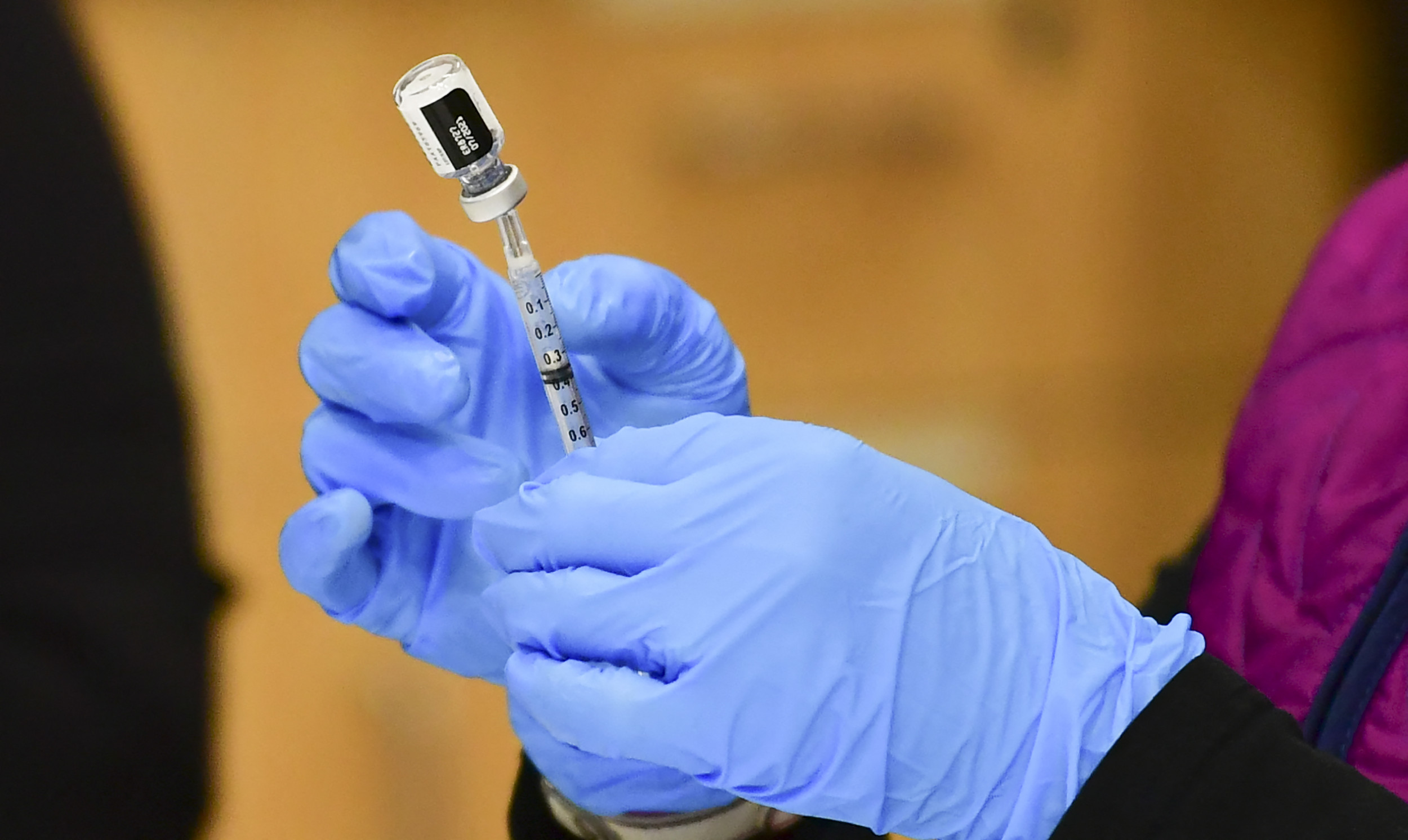
Authorities Begin Investigation
Health officials have reportedly initiated an inquiry into the incident. Investigators are expected to examine the child’s medical records, evaluate the treatment protocol followed by the hospital, and review whether appropriate pre-anaesthetic assessments were conducted.
Medical experts may also assess whether the dosage of anaesthesia, monitoring procedures, emergency response, and overall clinical management met established healthcare standards.
Officials are expected to record statements from the doctors, anaesthesiologists, nursing staff, and hospital administrators involved in the treatment. The findings of the investigation will determine whether any lapses occurred and whether further legal or administrative action is warranted.
Importance of Anaesthesia Safety in Children
Anaesthesia is generally considered safe when administered by trained professionals under proper medical supervision. However, young children require highly specialised care because factors such as age, body weight, medical history, allergies, and underlying health conditions must be carefully evaluated before any sedative or anaesthetic medication is given.
Medical experts note that while serious complications from anaesthesia are uncommon, continuous monitoring during and after the procedure is essential to quickly identify and manage any adverse reactions.
Growing Focus on Patient Safety
The incident has once again highlighted the importance of strict adherence to medical protocols, particularly in paediatric healthcare. Hospitals are expected to maintain rigorous safety standards, conduct thorough pre-procedure evaluations, and ensure that emergency medical equipment and trained personnel are available whenever anaesthesia is administered.
Healthcare authorities are likely to review all aspects of the case before reaching a conclusion regarding the cause of the child’s death. The final investigation report is expected to clarify whether the tragedy resulted from an unforeseen medical complication or whether any procedural lapses contributed to the fatal outcome.
As the inquiry continues, the child’s family awaits answers while health officials work to establish the facts surrounding one of the most heartbreaking medical incidents reported in the state.