
A fresh political controversy has emerged in Maharashtra after Nationalist Congress Party (NCP) patriarch Sharad Pawar visited Deputy Chief Minister Eknath Shinde at his office, prompting a sharp reaction from Shiv Sena (UBT). The meeting has triggered intense political debate, with Shiv Sena (UBT) leaders openly expressing disappointment and raising questions over the timing and political significance of the interaction.
The development has once again highlighted the fragile nature of Opposition politics in Maharashtra, where alliances continue to face challenges amid shifting political equations and speculation over future electoral strategies.
Shiv Sena (UBT) Voices Displeasure
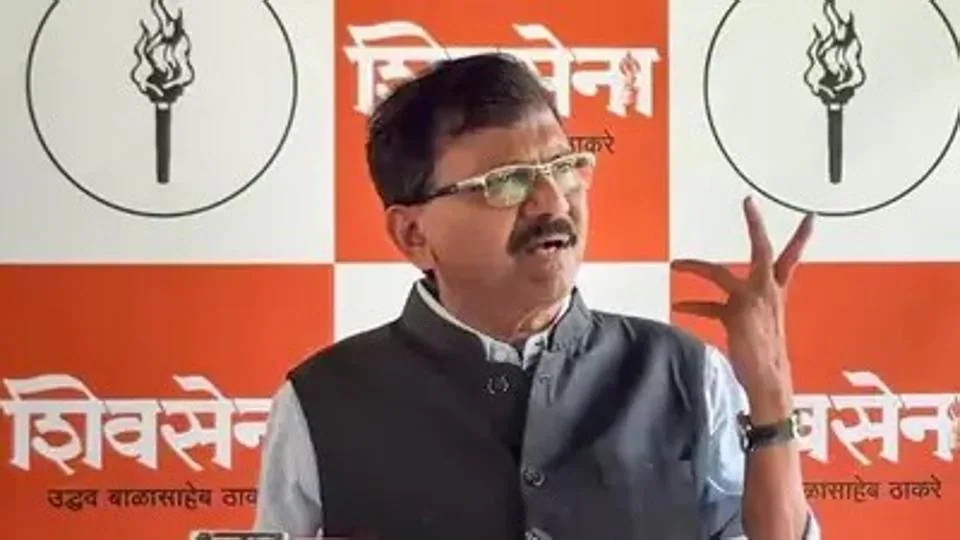
Senior Shiv Sena (UBT) leader and Rajya Sabha MP Sanjay Raut strongly reacted to the meeting, stating that his party was not pleased with Sharad Pawar’s decision to visit Eknath Shinde’s office. According to Raut, political interactions carry symbolic importance, particularly at a time when Opposition parties are attempting to project unity against the ruling alliance.
Raut questioned why the meeting was held at Shinde’s office instead of a neutral location or Pawar’s residence. He argued that such gestures could create confusion among party workers and supporters who expect Opposition leaders to maintain a united political stance.
While acknowledging that senior political leaders often meet across party lines, Raut maintained that the venue and public optics of the meeting had generated unnecessary speculation.
Sharad Pawar Clarifies Purpose of Meeting
Responding to the criticism, Sharad Pawar explained that his meeting with Eknath Shinde was purely personal and non-political. He said the visit was intended to congratulate Shinde on the recent birth of his grandson.
Pawar dismissed suggestions that the meeting involved political discussions or negotiations. He stressed that personal relationships between political leaders should not always be viewed through a political lens and reiterated that maintaining cordial personal ties does not necessarily indicate changes in political alliances.
His clarification sought to calm growing speculation surrounding the meeting, although questions continued to dominate political discussions across Maharashtra. 
Political Speculation Intensifies
Despite Pawar’s explanation, the meeting immediately sparked speculation within political circles regarding possible changes in Maharashtra’s political landscape.
Political observers noted that meetings between leaders from rival political camps often attract attention due to the state’s recent history of dramatic political realignments. Maharashtra has witnessed several unexpected developments over the past few years, including party splits, leadership changes, and shifting alliances that have significantly altered the state’s political balance.
Against this backdrop, even informal interactions between prominent leaders frequently become subjects of political interpretation.
Opposition Unity Under Fresh Scrutiny
The controversy has also brought renewed focus on the unity of the Opposition alliance in Maharashtra. Shiv Sena (UBT), the NCP (Sharad Pawar faction), and the Congress have been working together under the Maha Vikas Aghadi (MVA) banner while simultaneously coordinating with the broader INDIA bloc at the national level.
Sanjay Raut suggested that public meetings involving senior Opposition leaders should consider the political message being conveyed to party workers. According to him, maintaining confidence among alliance partners is essential, particularly ahead of future electoral contests.
Political analysts believe that although Pawar’s clarification may reduce immediate speculation, the episode reflects underlying concerns among Opposition partners regarding trust, coordination, and communication.
Eknath Shinde’s Political Position
Eknath Shinde currently serves as one of Maharashtra’s Deputy Chief Ministers after leading the split in Shiv Sena that reshaped the state’s political landscape. His faction subsequently aligned with the Bharatiya Janata Party (BJP), leading to the formation of a new government and a prolonged political battle with the Uddhav Thackeray-led Shiv Sena (UBT).
Relations between the two Shiv Sena factions remain deeply strained, making any interaction between leaders from opposing camps politically sensitive.
The meeting between Sharad Pawar and Eknath Shinde therefore assumed greater significance because of the broader political context in which it occurred.
Personal Relations Versus Political Messaging
Indian politics has traditionally witnessed cordial personal relationships between leaders despite intense political rivalry. Senior politicians frequently attend family events, exchange greetings, and maintain personal communication outside formal political engagements.
However, in today’s highly competitive political environment, such meetings often become subjects of speculation regarding future alliances, strategic negotiations, or political understandings.
The latest controversy illustrates how even a personal courtesy visit can rapidly evolve into a wider political debate, particularly in a state like Maharashtra where coalition politics continues to dominate public discourse.
Looking Ahead
Although Sharad Pawar has firmly denied any political motive behind his meeting with Eknath Shinde, the episode has exposed visible discomfort within sections of the Opposition. Shiv Sena (UBT)’s reaction demonstrates the sensitivity surrounding political optics as parties prepare for future electoral battles.
Whether the controversy subsides following Pawar’s clarification or continues to fuel speculation remains to be seen. For now, the incident serves as another reminder that in Maharashtra’s evolving political landscape, even routine meetings between senior leaders can generate significant political discussion and raise fresh questions about alliance dynamics and Opposition cohesion.