
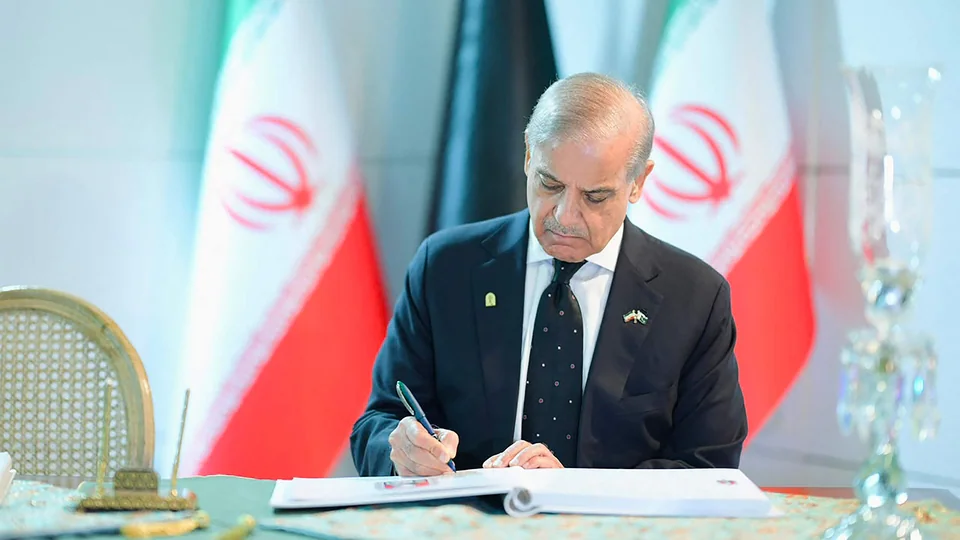
The escalating geopolitical friction between the United States and Iran has sparked a fierce domestic debate over international diplomacy, with senior American lawmakers intensely questioning the validity of Pakistan acting as a diplomatic mediator. The renewed wave of skepticism follows recent public remarks by Pakistani Prime Minister Shehbaz Sharif during his visit to Tehran, where he delivered a high-profile eulogy for Iran’s late Supreme Leader, Ayatollah Ali Khamenei.
The diplomatic friction amplified significantly after video footage of Prime Minister Sharif speaking at the state funeral in Tehran circulated globally. In his address, Sharif described the deceased Iranian leader as a “great scholar and leader,” praising what he termed as his resilience, courage, and unwavering dedication to the Iranian nation. Sharif went on to affirm that the hearts of Pakistan and Iran “beat together,” pledging that the two neighboring nations would stand and march together under all circumstances.
Lawmakers Flag Strong Reservations
The public show of solidarity between Islamabad and Tehran immediately triggered sharp pushback from Capitol Hill. Senator Rick Scott, a Republican from Florida, took to social media to caution Washington foreign policy officials against trusting Islamabad as an impartial intermediary.”We need to remember who Pakistan really is in the middle of all this,” Scott stated, pointing to historical and domestic policy grievances.
The Senator cited the country’s history regarding global counterterrorism efforts, its domestic human rights record—specifically referencing the selective enforcement of lopsided blasphemy laws to persecute religious minorities like Christians—and Sharif’s praise for the late Iranian leadership. Scott argued that Islamabad is structurally unqualified to bridge the diplomatic divide between Washington and Tehran, drawing a sharp parallel to other controversial regional actors. He asserted that Pakistan is no better suited to handle the mediation than other nations accused of harboring or enabling regional extremist factions.
The sentiment was echoed by prominent political commentators and other congressional leaders. Media analysts questioned the strategic rationale of employing a nation with overt structural alignments with Tehran to broker a sensitive neutral resolution. 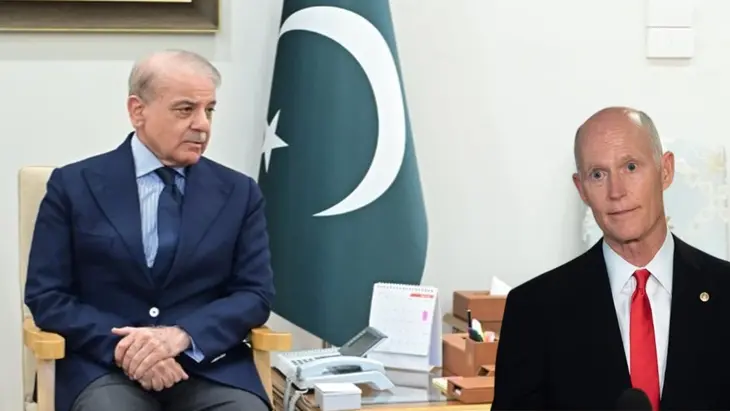
A Pattern of Bipartisan Skepticism
This is not an isolated legislative backlash, but rather the latest chapter in growing congressional concern regarding Pakistan’s shifting geopolitical alignments. Senator Lindsey Graham, a senior Republican and close ally of former President Donald Trump, has previously voiced similar warnings both in public forums and during formal congressional hearings.
Graham had previously outlined major structural issues regarding Pakistan’s suitability as a peace broker, highlighting long-standing regional animosities and intelligence reports indicating closer military cooperation between Islamabad and Tehran. Specifically, Graham raised alarms over reports that Iranian military aircraft were being permitted utilization of Pakistani air bases.
The relationship further complicated following remarks from Pakistani Defense Minister Khawaja Asif, who explicitly stated that Islamabad would refuse to participate in or recognize the Abraham Accords—the US-brokered normalization agreements between Israel and several Arab nations. In response, American lawmakers have called on Pakistan to provide a definitive stance on its regional allegiances, particularly regarding Western initiatives aimed at countering Iranian influence in the Middle East.
Implications for Regional Diplomacy
For months, regional dynamics have seen both Pakistan and Qatar attempting to carve out significant diplomatic space as neutral intermediaries capable of de-escalating the broader Middle East conflict. However, US lawmakers argue that both nations maintain deep-seated historical relationships that inherently compromise their status as balanced negotiators.
As the legislative branch exerts pressure on the administration’s foreign policy apparatus, the viral developments in Tehran are expected to complicate future diplomatic channels. Analysts suggest that until Islamabad provides verifiable commitments regarding its counterterrorism compliance and clarifies its defense posturing toward sanctioned regimes, its ambitions to serve as a primary geopolitical mediator between Washington and its adversaries will face steep resistance from Capitol Hill.