
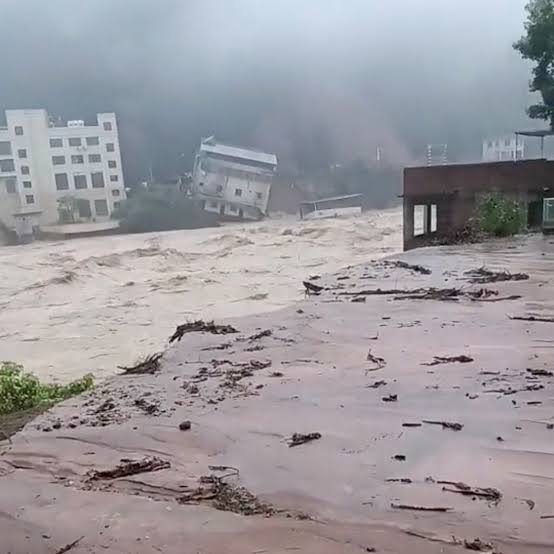
At least 15 people have lost their lives while hundreds of others have been injured after powerful storms and widespread flooding swept across several regions of China, causing extensive destruction, disrupting daily life, and triggering large-scale emergency rescue operations. The severe weather has damaged homes, roads, public infrastructure, and agricultural land, forcing local authorities to intensify relief efforts as millions remain vulnerable to continuing heavy rainfall.
The extreme weather system brought torrential rain, powerful winds, flash floods, and landslides to multiple provinces, overwhelming drainage systems and inundating residential neighborhoods. Rescue teams have been deployed around the clock to evacuate stranded residents, restore essential services, and search for missing individuals amid difficult conditions.
Chinese President Xi Jinping directed authorities to make every possible effort to rescue those affected and minimize casualties. He instructed government agencies, emergency responders, and local administrations to prioritize the safety of residents, strengthen disaster response measures, and ensure timely relief for displaced families.
Rescue Operations Intensified Across Affected Regions
Emergency management agencies have mobilized thousands of rescue personnel, firefighters, police officers, medical teams, and military units to assist flood-hit communities. Boats, helicopters, and heavy machinery have been deployed in areas where roads have become impassable due to rising floodwaters and landslides.
Authorities have also established temporary shelters for evacuated residents, providing food, drinking water, medical assistance, and other essential supplies. Rescue workers continue to search for people trapped in flooded homes and isolated villages while restoring electricity, telecommunications, and transportation networks.
Officials warned that the death toll could rise as rescue teams reach severely affected locations and assess the full extent of the damage.
Widespread Damage to Infrastructure
The relentless rainfall has caused rivers to overflow, leading to flash floods that submerged streets, vehicles, homes, and commercial establishments. Bridges have been damaged, highways blocked by debris, and railway services disrupted in several regions.
Floodwaters have also affected farmland, raising concerns about agricultural losses and the economic impact on rural communities. Crops have been destroyed, livestock displaced, and irrigation systems damaged, creating additional challenges for local authorities and farmers.
Public transportation services experienced significant delays, while schools and businesses in several flood-prone areas were temporarily closed as a precautionary measure. 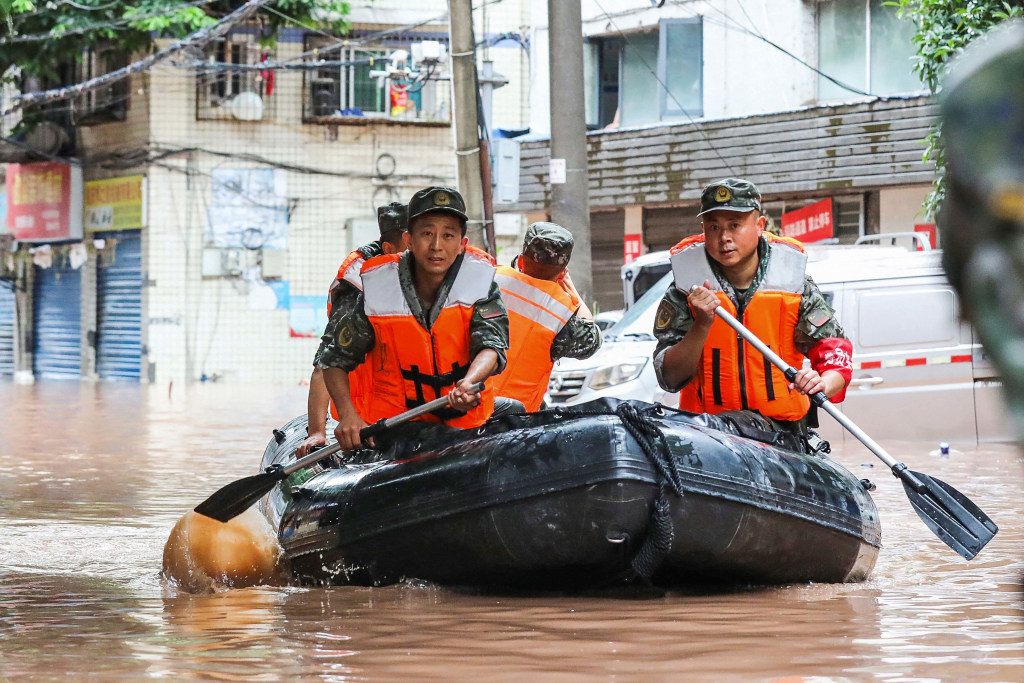
Weather Authorities Issue Continued Warnings
China’s meteorological agencies have warned that heavy rainfall is expected to continue in several parts of the country, increasing the risk of further flooding, landslides, and mudslides. Residents living near rivers, mountainous terrain, and low-lying areas have been advised to remain alert and follow evacuation orders issued by local authorities.
Emergency officials are closely monitoring water levels in reservoirs and rivers to reduce the risk of additional flooding. Disaster response teams remain on standby as weather forecasts indicate that unstable conditions may persist over the coming days.
Government Focuses on Public Safety
President Xi emphasized the importance of protecting lives and reducing property losses through coordinated rescue operations. He urged government departments to strengthen disaster monitoring, improve early warning systems, and ensure that emergency resources reach affected communities without delay.
Authorities have also called for enhanced coordination among local governments, emergency responders, healthcare providers, and transportation agencies to accelerate rescue efforts and provide timely assistance to those impacted by the disaster.
Communities Face Long Recovery
As floodwaters gradually recede in some areas, attention is beginning to shift toward damage assessment and recovery. Thousands of residents are expected to require long-term support as authorities work to repair damaged infrastructure, restore public services, and rebuild affected communities.
The disaster once again highlights the growing challenges posed by increasingly frequent extreme weather events. Experts continue to stress the importance of stronger disaster preparedness, resilient infrastructure, and improved flood management systems to reduce the impact of future natural disasters.
Rescue operations remain ongoing, with authorities continuing efforts to locate missing persons, assist displaced residents, and restore normalcy across the affected regions while monitoring the evolving weather situation.