

A court in Tamil Nadu has granted bail to a Dravida Munnetra Kazhagam (DMK) legislator in a defamation case arising from controversial remarks allegedly made against Tamil Nadu Chief Minister Vijay. The order provides temporary relief to the MLA while the legal proceedings continue, in what has become another closely watched political and legal development in the state.
The case stems from statements that were alleged to have damaged the reputation of the Chief Minister, prompting legal action under relevant provisions dealing with criminal defamation. The matter has attracted significant political attention because it involves prominent figures from the state’s rapidly evolving political landscape.
Court Grants Interim Relief
During the hearing, the court considered the submissions presented by both the prosecution and the defence before deciding to grant bail to the legislator. The court’s decision ensures that the accused will remain out of custody while the investigation and subsequent judicial proceedings move forward.
Legal experts note that granting bail does not amount to an acquittal or a finding on the merits of the allegations. Instead, it allows the accused to participate in the legal process while complying with conditions imposed by the court.
Although the exact terms of the bail order were not publicly detailed, courts typically require the accused to cooperate with the investigation, appear before the court whenever directed, and refrain from influencing witnesses or tampering with evidence.
Background of the Defamation Dispute
The controversy originated after the DMK MLA allegedly made statements concerning Chief Minister Vijay that were considered defamatory by the complainant. The remarks reportedly triggered legal proceedings, with authorities registering a case and initiating action under applicable criminal laws.
Political exchanges in Tamil Nadu have become increasingly intense as parties seek to strengthen their positions amid changing political dynamics. Statements made during public events, media interactions, and political campaigns have frequently resulted in legal disputes, including defamation complaints.
The present case reflects the growing tendency of political disagreements extending beyond public debate into the courtroom, where competing claims regarding reputation, freedom of speech, and political criticism are examined through legal procedures. 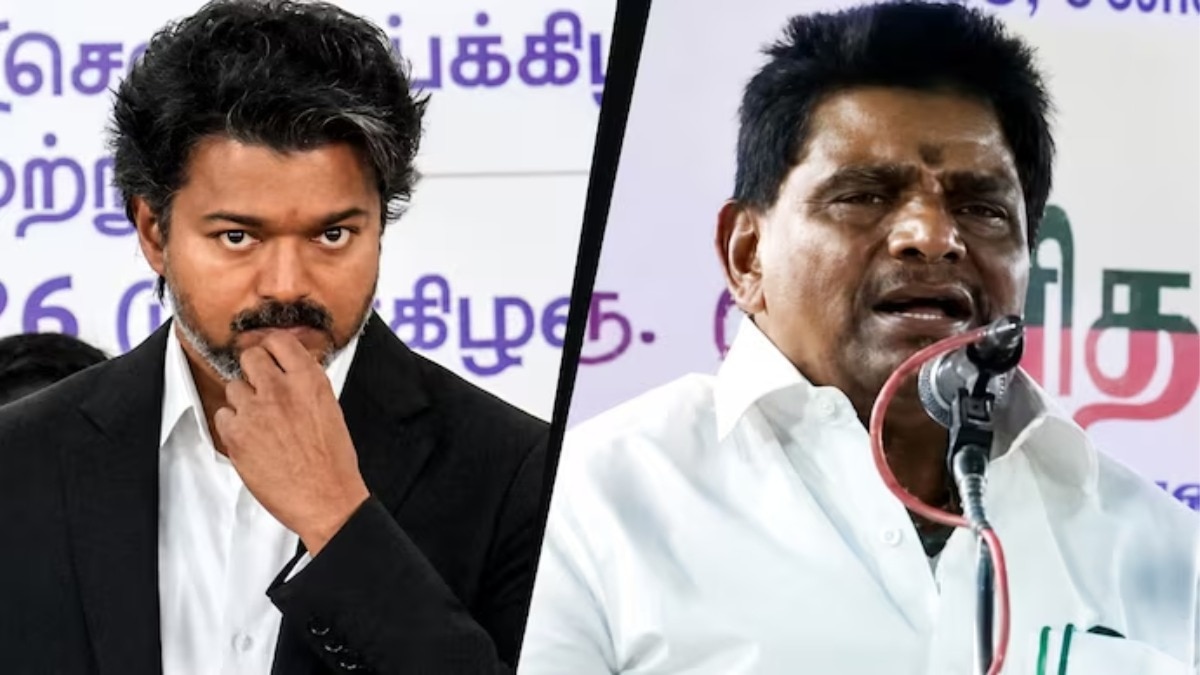
Political Significance
The bail order comes at a time when Tamil Nadu’s political environment remains highly active, with parties engaging in vigorous campaigns and public messaging. Cases involving elected representatives often attract heightened public interest because they can influence political narratives as well as public perception.
Supporters of the MLA have maintained that the remarks were made in a political context and should be viewed accordingly, while those pursuing the complaint argue that public representatives must remain accountable for statements that allegedly harm an individual’s reputation.
The matter has also reignited discussions on the use of criminal defamation laws in political disputes, with legal observers pointing out that such cases frequently involve balancing the constitutional right to free expression with protections against reputational harm.
Legal Proceedings to Continue
With bail now granted, the court will continue hearing the matter in accordance with established legal procedures. Investigating authorities are expected to complete any remaining formalities before the case progresses to the next stages of judicial scrutiny.
The prosecution will seek to substantiate the allegations through documentary and oral evidence, while the defence is expected to contest the charges and present its own arguments during the course of the trial.
The final outcome will depend on the evidence presented before the court and the judicial assessment of whether the statements in question constitute criminal defamation under the applicable legal framework.
What Lies Ahead
The grant of bail marks an important procedural development but does not determine the eventual outcome of the case. As the legal process unfolds, both political observers and legal experts will closely monitor future hearings, which are expected to shape the direction of this high-profile dispute.
For now, the MLA has secured temporary legal relief, while the defamation proceedings remain pending before the competent court. The case is expected to continue drawing attention due to its political implications and the involvement of senior public figures in Tamil Nadu.