
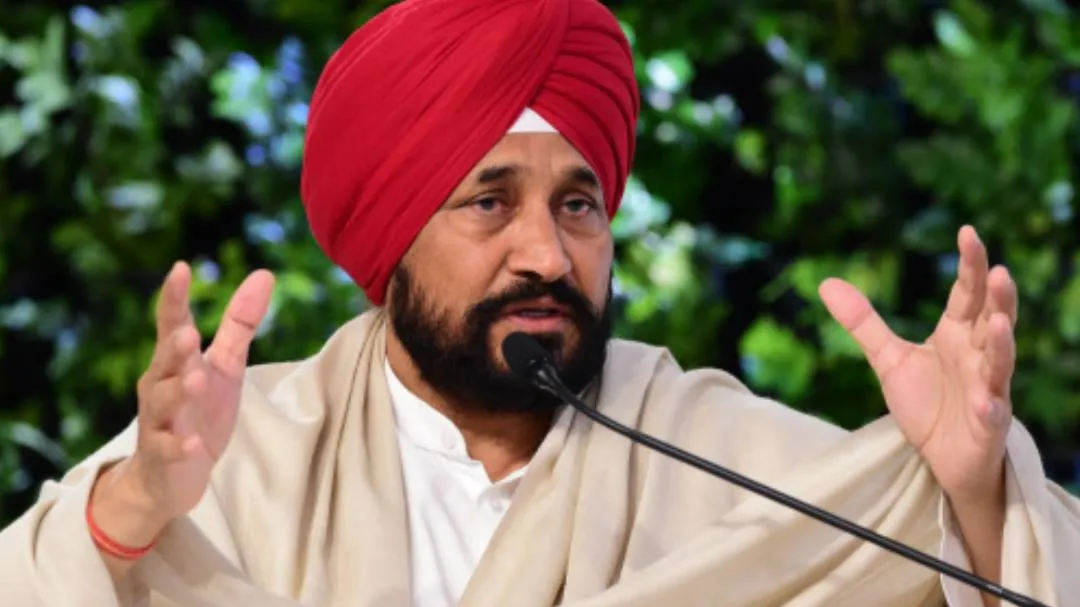
Fresh signs of internal discord have surfaced within the Punjab unit of the Congress party after dissatisfaction emerged over the recent appointments announced by the party’s central leadership. The latest developments have exposed factional divides within the state organization, with supporters of former Punjab Chief Minister Charanjit Singh Channi staging a significant show of strength, raising questions about unity within the party.
The controversy erupted following the release of the All India Congress Committee (AICC) list of appointments for Punjab. While the central leadership intended the exercise to strengthen the state organization, several leaders reportedly viewed the selections as lacking balanced representation among various party factions. The perceived exclusion of leaders aligned with Channi triggered discontent, leading to open expressions of dissatisfaction from his supporters.
Channi Camp Demonstrates Political Influence
In response to the appointments, leaders and workers associated with Charanjit Singh Channi gathered in considerable numbers, signalling that the former chief minister continues to command substantial influence within the Punjab Congress. The gathering was widely interpreted as a political message to the party’s high command, emphasizing that Channi’s faction expects a greater role in organizational and electoral decision-making.
The show of unity among Channi loyalists reflected concerns that certain influential leaders and their supporters have not received adequate representation despite their contributions to the party in Punjab. Several attendees reportedly argued that the party should adopt a more inclusive approach if it hopes to strengthen its position ahead of future elections.
Concerns Over Representation
Party insiders indicated that the latest appointments have intensified long-standing factional rivalries within the Punjab Congress. Leaders from different camps have been competing for organizational influence ever since the party suffered setbacks in previous electoral contests.
Supporters of Channi believe the appointments fail to reflect the ground realities of Punjab politics and do not adequately recognize leaders with established public support. According to them, a broader representation of experienced leaders could improve coordination at the grassroots level and help rebuild the party’s electoral base.
The dissatisfaction has also highlighted the continuing challenge for the Congress leadership in balancing competing interests among senior leaders while maintaining organizational cohesion. 
High Command Faces Balancing Act
The Congress leadership has repeatedly emphasized the need for unity in Punjab as it attempts to revive the party’s fortunes in one of its politically significant states. However, the latest developments suggest that managing internal aspirations remains a difficult task.
Political observers note that leadership appointments often become a sensitive issue in parties where multiple senior leaders possess independent support bases. In Punjab, where regional leadership dynamics have remained complex for several years, organizational decisions frequently attract close scrutiny from various factions.
The central leadership now faces the challenge of addressing grievances without creating further divisions. Failure to do so could affect the party’s preparations for upcoming political contests and weaken efforts to present a united front against its rivals.
Importance of Organizational Unity
For the Congress, rebuilding its organizational structure in Punjab is considered crucial after facing electoral setbacks in recent years. Party strategists have consistently argued that strong coordination between the central leadership and state units is essential for improving electoral performance.
Internal disagreements over appointments risk diverting attention from broader political objectives. Political analysts believe that prolonged factional disputes could hamper grassroots mobilization, reduce worker morale, and complicate campaign planning in the run-up to future elections.
Channi Remains a Key Political Figure
Despite changes in the party’s leadership structure over recent years, Charanjit Singh Channi continues to remain one of the Congress’s most prominent leaders in Punjab. His supporters maintain that his experience, mass appeal, and political outreach make him an important asset for the party.
The latest show of strength indicates that Channi retains considerable backing among party workers and local leaders. His continued influence is expected to remain a significant factor in shaping internal political equations within the Punjab Congress.
What Lies Ahead
The unfolding developments underline the delicate balance the Congress must maintain between organizational restructuring and accommodating influential regional leaders. While party leaders are expected to work towards resolving internal differences through dialogue, the episode has once again highlighted the challenges of managing competing ambitions within a large political organization.
As the Congress prepares for future electoral battles, restoring unity and ensuring equitable representation across different factions will likely remain among its highest priorities. How effectively the leadership addresses these concerns may play a decisive role in determining the party’s organizational strength and political prospects in Punjab.