
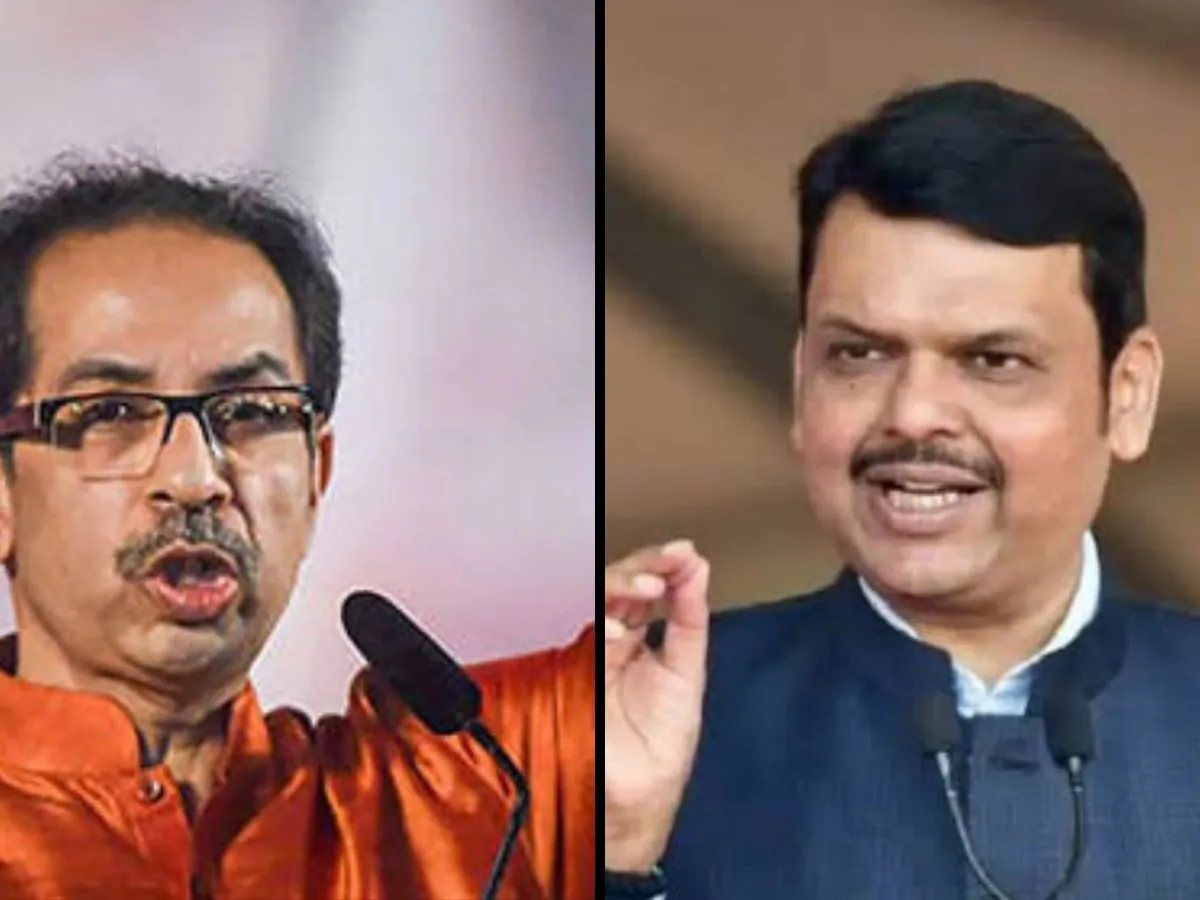
Shiv Sena (UBT) leader Aaditya Thackeray has sparked fresh political debate in Maharashtra by alleging that Chief Minister Devendra Fadnavis is being deliberately kept away from any future prime ministerial consideration. According to Thackeray, this political positioning within the Bharatiya Janata Party (BJP) could ultimately benefit Deputy Chief Minister Eknath Shinde, reshaping the balance of power within the ruling alliance in Maharashtra.
The remarks come at a time when political speculation surrounding leadership ambitions, succession planning, and alliances continues to dominate discussions in both state and national politics.
Aaditya Thackeray’s Allegations
Addressing the media, Aaditya Thackeray suggested that the BJP leadership is intentionally limiting Devendra Fadnavis’ national political prospects. He argued that despite Fadnavis being regarded as one of the BJP’s most experienced and influential leaders, his role is being confined to Maharashtra instead of being elevated to a larger national platform.
Thackeray claimed this approach reflects internal political calculations rather than merit-based leadership progression. According to him, restricting Fadnavis’ ambitions at the national level may have unintended consequences for the political equation within Maharashtra.
‘This Will Benefit Eknath Shinde’
Aaditya Thackeray further claimed that sidelining Fadnavis from any larger national role could strengthen Eknath Shinde’s influence within the state government.
He argued that if Fadnavis remains focused exclusively on Maharashtra, it alters the internal dynamics between the BJP and the Shiv Sena faction led by Shinde. According to Thackeray, the evolving political scenario could give Shinde greater room to consolidate his position within the ruling coalition.
The opposition leader portrayed the situation as evidence of strategic maneuvering inside the alliance rather than a straightforward governance arrangement. 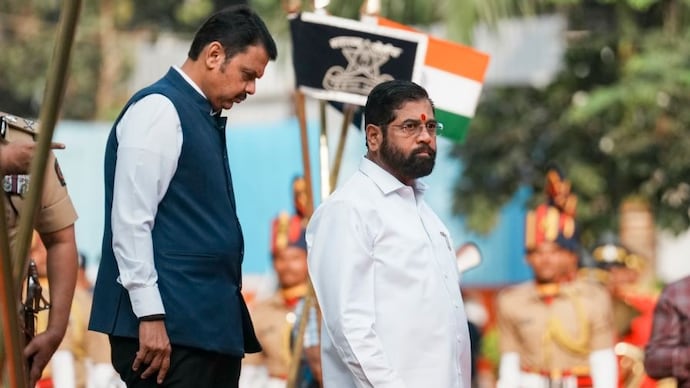
Political Context Behind the Remarks
The comments come against the backdrop of continuing political rivalry in Maharashtra following the dramatic split in the Shiv Sena that reshaped the state’s political landscape.
The division resulted in Eknath Shinde leading one faction while Uddhav Thackeray retained leadership of the Shiv Sena (UBT). Since then, political exchanges between the ruling alliance and the opposition have frequently centered on questions of legitimacy, leadership, governance, and future electoral strategies.
Aaditya Thackeray has consistently criticized both the BJP and the Shinde-led Shiv Sena over governance issues and alleged political opportunism. His latest remarks add another layer to the ongoing contest over leadership narratives ahead of future elections.
BJP Yet to Respond to the Claims
As of now, the BJP has not issued an official response to Aaditya Thackeray’s assertions regarding Devendra Fadnavis’ political future or the alleged internal calculations concerning national leadership.
Similarly, there has been no formal reaction from Eknath Shinde’s camp addressing the claim that the political developments could enhance his position within the alliance.
Political observers note that leadership speculation often intensifies ahead of major electoral cycles, though such discussions frequently remain based on political rhetoric rather than official party decisions.
Leadership Speculation Continues
Devendra Fadnavis remains one of the BJP’s most prominent leaders in Maharashtra, having served in key leadership roles over the years. He continues to play a central role in the state’s administration and the party’s organizational strategy.
While discussions surrounding future national leadership periodically emerge in political circles, the BJP has not indicated any shift in its established leadership structure. As a result, Aaditya Thackeray’s remarks are widely viewed as part of the broader political narrative aimed at questioning the ruling alliance’s internal cohesion.
Political Debate Likely to Intensify
With Maharashtra expected to remain a crucial battleground in upcoming political contests, statements concerning leadership ambitions and alliance equations are likely to fuel further debate.
The exchange highlights the increasingly competitive nature of the state’s political environment, where opposition leaders continue to scrutinize the ruling coalition’s internal dynamics while the government focuses on maintaining stability and projecting unity.
Whether Aaditya Thackeray’s claims influence the broader political discourse remains to be seen, but they have once again brought attention to the complex relationship between the BJP’s state leadership and the evolving power structure within Maharashtra’s ruling alliance.