
The Indian rupee opened on a weaker note and declined in early trade, slipping by 7 paise to touch 94.58 against the US dollar. The domestic currency reflected subdued sentiment in the foreign exchange market as traders reacted to a mix of global and domestic economic cues.
According to market trends observed during early session activity, the rupee’s movement remained under pressure due to sustained demand for the US dollar from importers. Dollar strength in international markets also contributed to the weakening bias, keeping emerging market currencies on the back foot.
Forex dealers indicated that volatility in global financial markets, coupled with uncertainty surrounding interest rate expectations in major economies, continued to influence investor sentiment. The US dollar index maintained a firm stance, adding further pressure on the rupee during early trading hours. 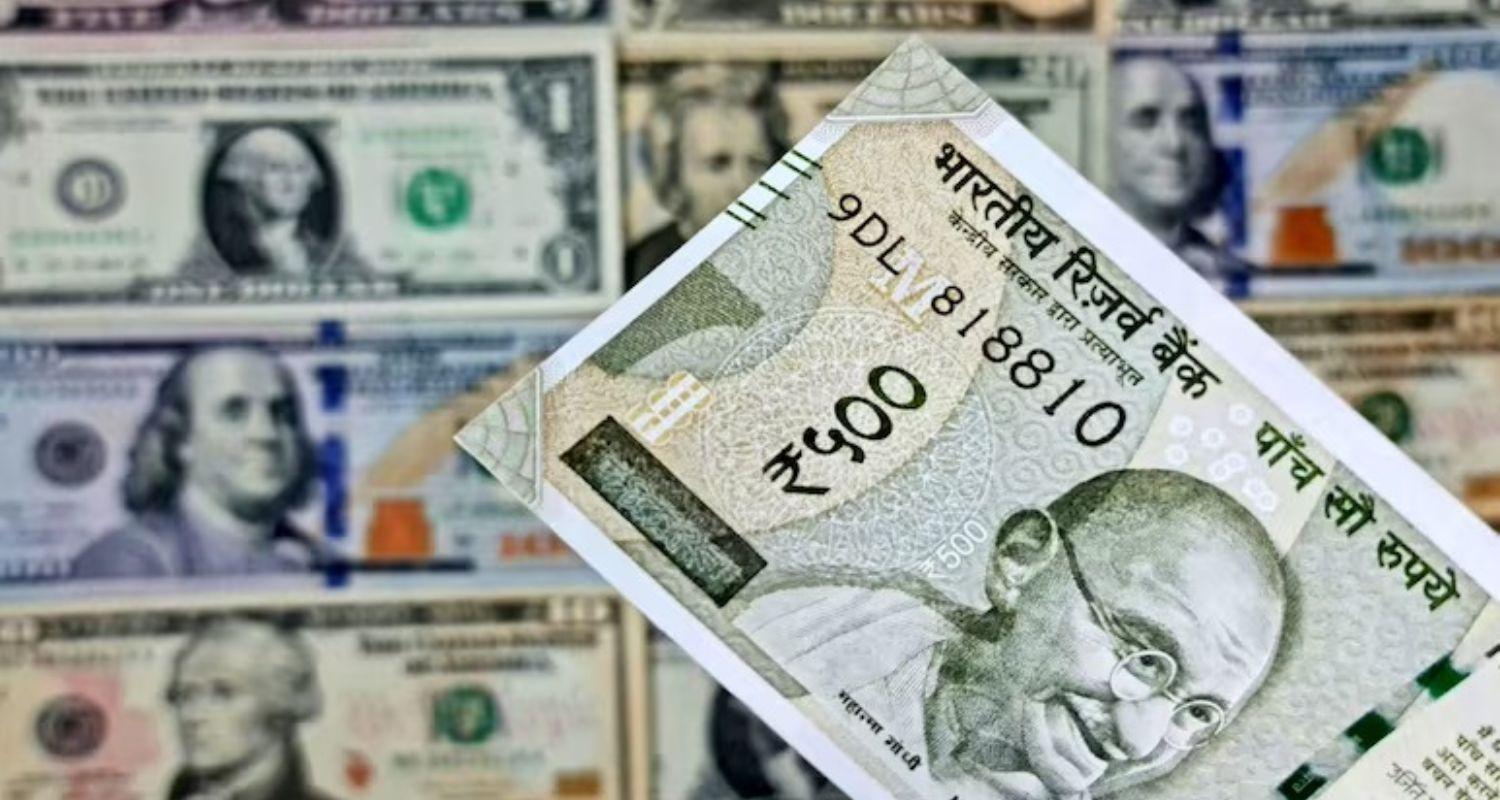
Market participants also pointed to intermittent foreign portfolio outflows as another factor weighing on the domestic currency. In addition, concerns over crude oil price fluctuations remained a key monitorable, as India’s import-dependent energy basket tends to impact the rupee’s trajectory.
Despite the early decline, currency traders expect the rupee to trade within a narrow range in the near term, with market interventions and macroeconomic data releases likely to guide further movement. Traders are closely watching global cues, including US Federal Reserve policy signals and broader risk appetite in equity markets.
Analysts suggest that the rupee’s outlook will largely depend on sustained foreign inflows, stability in crude oil prices, and overall dollar movement in global markets. In the absence of strong domestic triggers, external factors are expected to continue driving short-term volatility.