
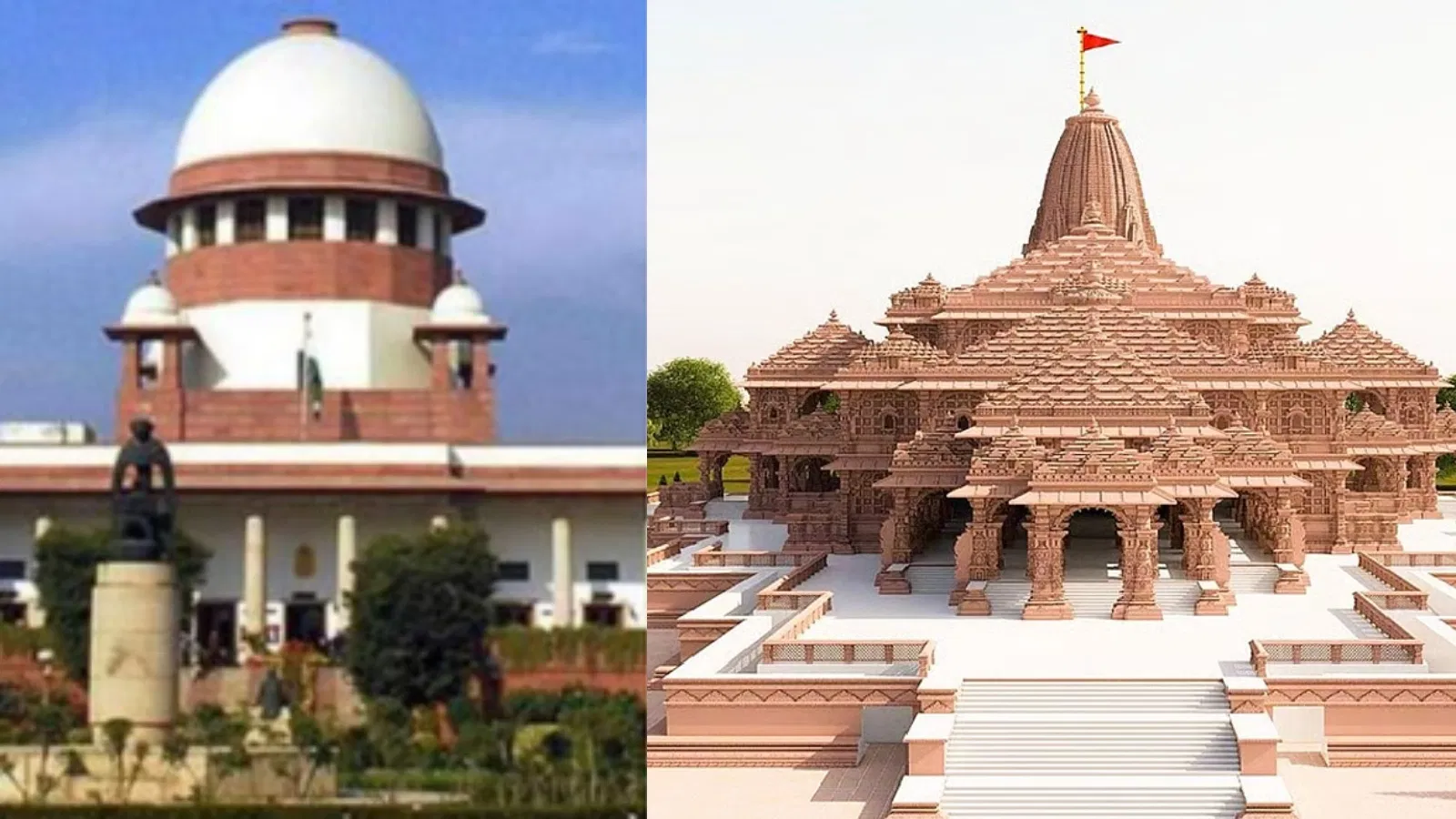
The Supreme Court has declined to grant an urgent hearing to a petition seeking a court-monitored investigation into alleged irregularities involving donations and offerings received at the Ram Temple in Ayodhya. The decision marks the latest legal development in a controversy that has attracted widespread public attention and intensified political debate.
A bench of the apex court refused to treat the matter as one requiring immediate intervention, indicating that the petition could proceed through the normal judicial listing process. The court’s stance effectively means that the case will be heard in due course rather than being fast-tracked as requested by the petitioners.
Petition Sought Court-Monitored Investigation
The petition before the Supreme Court called for a comprehensive investigation into alleged financial irregularities connected to the handling of donations made by devotees at the temple. Petitioners argued that the matter warranted urgent judicial scrutiny due to concerns regarding the management of funds and valuables offered by worshippers.
Among the key demands raised in the plea were calls for a court-supervised probe, preservation of financial and digital records, protection of evidence, and greater transparency in the administration of donations. The petition also sought measures to ensure that all relevant documentation, including transaction records and surveillance material, remains secure during the course of the investigation.
The petitioners contended that prompt intervention was necessary to safeguard evidence and maintain public confidence in the handling of religious donations.
Court Indicates No Immediate Urgency
During the proceedings, the Supreme Court made it clear that it did not consider the matter urgent enough to warrant immediate listing outside the regular schedule. The bench suggested that the case should proceed through established judicial procedures and indicated that there was no compelling reason to bypass the normal hearing process.
The court’s decision does not amount to a dismissal of the petition. Instead, it simply postpones any substantive consideration of the allegations until the matter is formally listed and taken up through routine procedures.
Legal observers noted that courts frequently distinguish between issues that require emergency intervention and those that can be addressed through standard judicial timelines. In this instance, the bench determined that the circumstances did not justify extraordinary urgency. 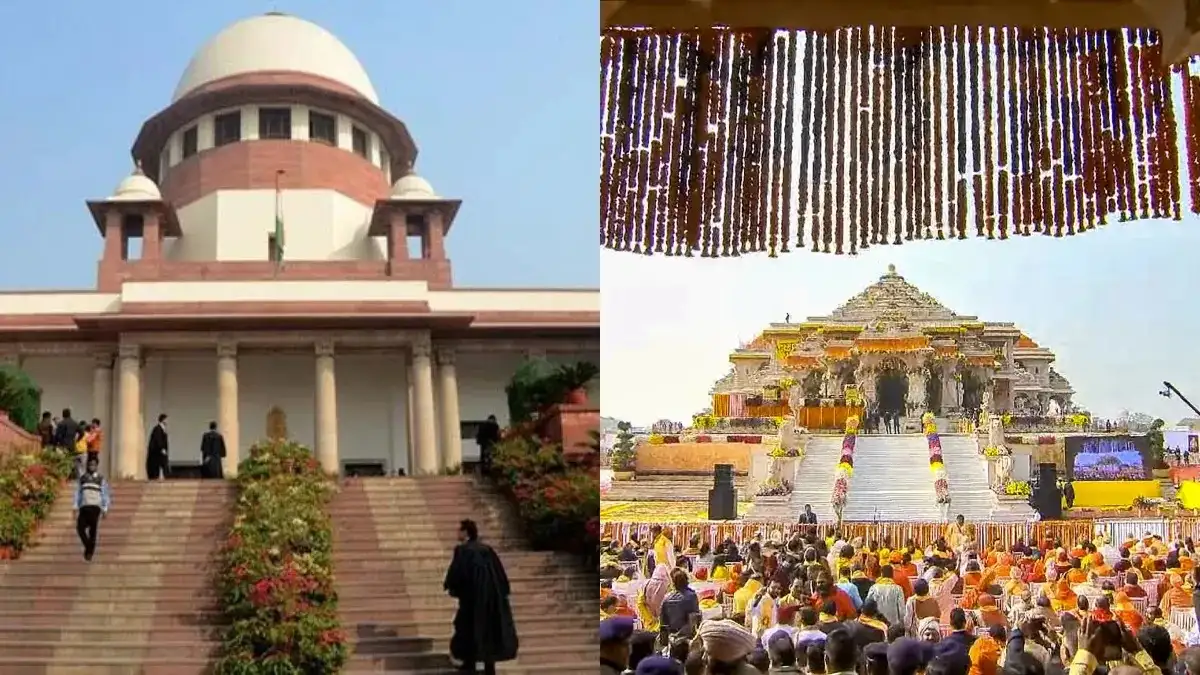
Ongoing Investigation Into Donation Management
The legal developments come against the backdrop of an ongoing investigation into alleged irregularities associated with temple donations. Authorities have already initiated inquiries into the handling and management of funds and valuables received at the temple.
A Special Investigation Team (SIT) established by the state government has been examining allegations related to financial management practices and the processing of donations. Preliminary findings have reportedly been submitted to the government, while investigators continue to scrutinize operational procedures, security protocols, and financial records.
The probe has expanded over recent days, with investigators examining multiple aspects of donation collection, counting mechanisms, accounting systems, and oversight procedures.
Allegations Trigger Wider Debate
The controversy has sparked significant discussion across political, legal, and social circles. Opposition leaders have raised questions regarding accountability and transparency, while supporters of the temple administration have emphasized the need for due process and a fact-based investigation.
The issue has also generated broader conversations about governance standards in institutions that receive large volumes of public donations. Experts have pointed out that religious organizations managing substantial contributions often face heightened expectations regarding transparency, auditing practices, and financial oversight.
Many observers argue that maintaining public trust requires robust systems capable of tracking donations and ensuring that funds are utilized for their intended purposes.
Legal and Administrative Implications
The Supreme Court’s decision to deny an urgent hearing means that attention will now shift toward ongoing investigative processes and future court proceedings. Depending on the outcome of official inquiries, additional legal actions could emerge in the coming weeks and months.
The matter remains significant because of the temple’s national prominence and the large volume of contributions received from devotees across the country. Any findings related to financial management practices could have implications not only for the current investigation but also for broader discussions about accountability mechanisms in religious and charitable institutions.
For now, the judicial process will continue through regular channels while investigative authorities proceed with their examination of the allegations.
What Happens Next?
With the request for urgent hearing declined, the petitioners are expected to pursue the matter through the standard listing process. Meanwhile, investigators will continue gathering evidence, reviewing records, and examining the circumstances surrounding the allegations.
The outcome of these parallel legal and administrative processes is likely to play a crucial role in determining whether further action is required and what reforms, if any, may be recommended to strengthen oversight of temple donations in the future.
As the case develops, it is expected to remain under close public and political scrutiny due to its legal significance and its connection to one of the country’s most prominent religious institutions.