
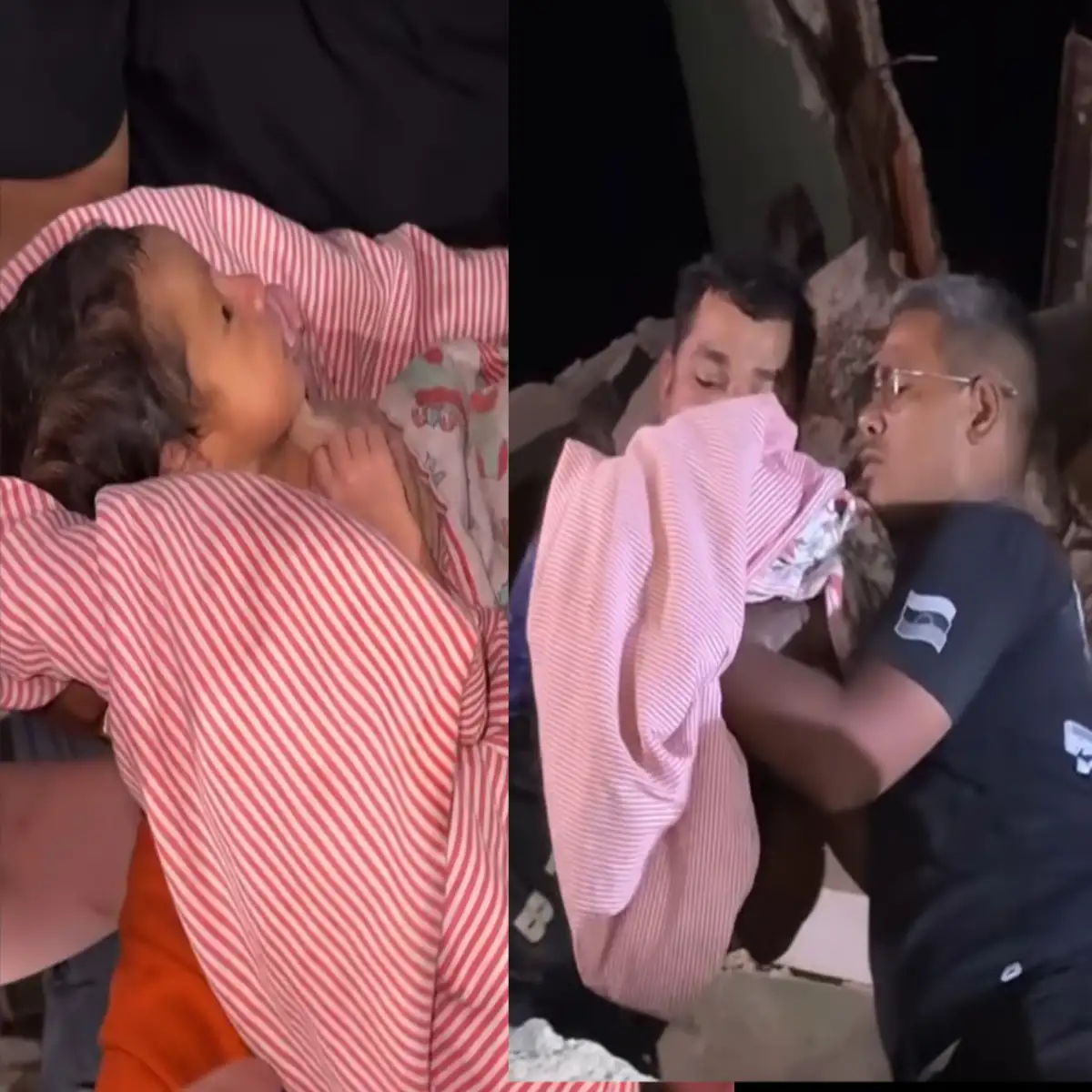
A rare and emotional moment of hope emerged in Venezuela’s ongoing earthquake disaster when two 11-year-old boys were rescued alive from collapsed structures several days after powerful earthquakes devastated large parts of the country. Their survival has provided encouragement to rescue workers and families anxiously awaiting news of missing loved ones.
The rescues occurred as emergency teams continued extensive search-and-recovery operations across some of the worst-affected regions. Despite the successful recoveries, authorities and aid agencies warn that the humanitarian situation remains critical, with the death toll continuing to rise and thousands of people still unaccounted for.
Devastating Earthquakes Leave Widespread Destruction
The disaster unfolded when two major earthquakes struck within seconds of each other, causing catastrophic damage across northern Venezuela. Hundreds of residential buildings, commercial structures, and public facilities suffered severe damage or collapsed entirely.
Entire neighborhoods were reduced to rubble, trapping residents beneath concrete debris and creating an enormous challenge for emergency responders. Roads, communication networks, and essential services were also disrupted, complicating rescue and relief efforts.
Officials reported that hundreds of structures collapsed in the hardest-hit areas, leaving thousands displaced and forcing many residents to seek temporary shelter in open spaces, vehicles, and emergency facilities.
Two Boys Pulled Alive from Debris
Among the most remarkable rescue stories was that of an 11-year-old boy who remained trapped beneath several meters of rubble for days before being located by search teams. Rescue personnel conducted a painstaking operation lasting several hours to safely extract him from the debris.
Footage released by emergency responders showed the young survivor being carried from the wreckage while rescue workers and bystanders celebrated the successful operation. Reports indicated that he endured days beneath collapsed concrete before being brought to safety.
A second 11-year-old boy was rescued separately in another heavily damaged area. His survival further strengthened hopes that additional survivors could still be found despite the passage of several days since the earthquakes struck.
Emergency officials described each successful rescue as a significant victory in a disaster that has brought immense suffering to communities across the country. 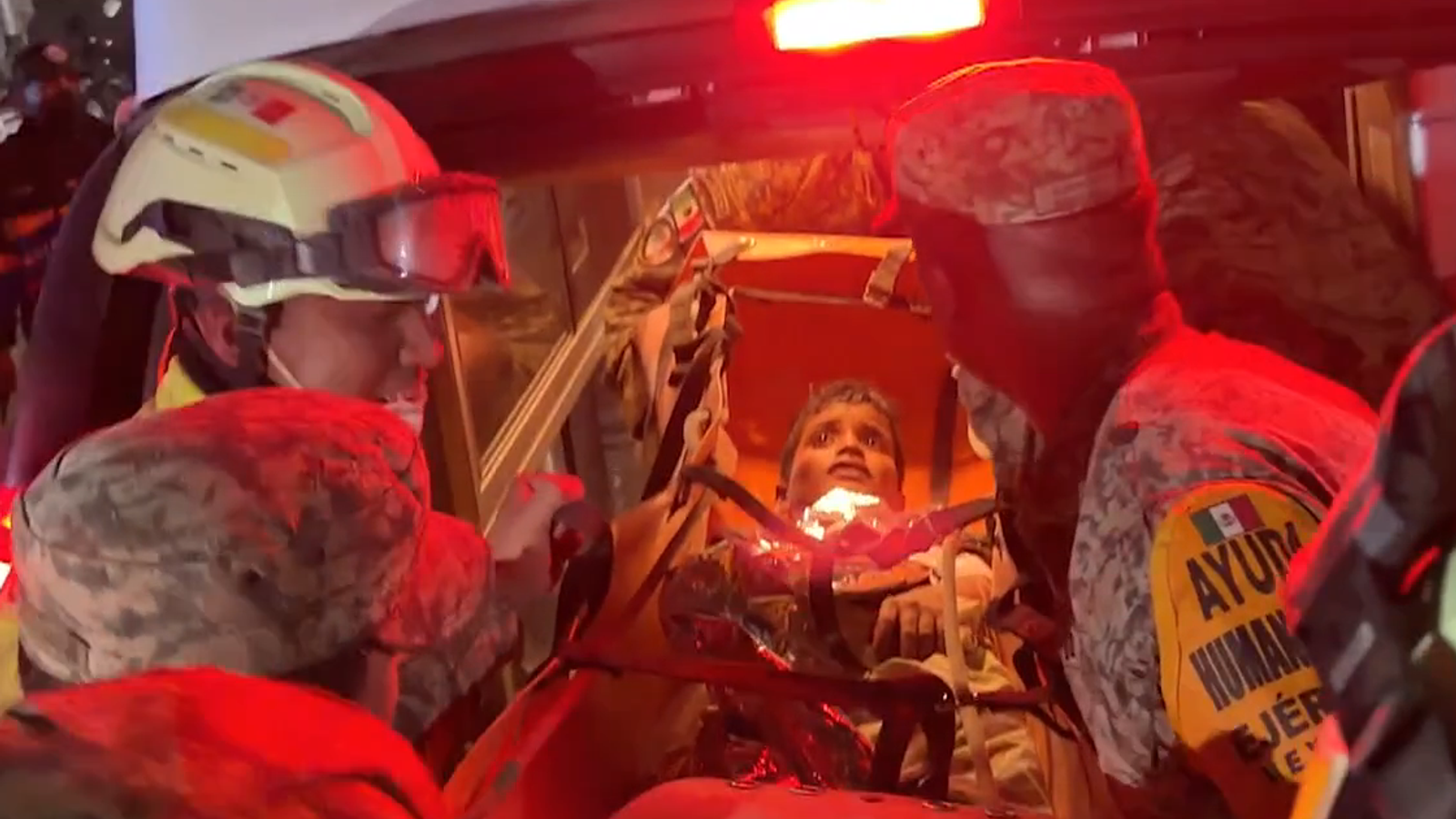
Search Efforts Continue Beyond the Critical Survival Window
Rescue operations have continued around the clock despite the challenges posed by unstable structures, blocked access routes, and recurring aftershocks. Specialists note that the first 72 hours after a major earthquake are generally considered the most critical period for finding survivors.
However, disaster experts emphasize that survival beyond this window is possible, particularly when trapped individuals have access to pockets of air, limited water sources, or protective spaces within collapsed buildings.
Teams equipped with specialized tools, search dogs, drones, and advanced detection technology have been deployed to locate signs of life beneath the debris. Emergency personnel continue to work under difficult conditions as hopes remain that more survivors may yet be found.
Families Await News of Missing Loved Ones
Across affected communities, families continue searching for relatives who remain missing. Many residents have joined rescue efforts themselves, digging through rubble with basic tools and even bare hands while waiting for heavy machinery to reach damaged locations.
Temporary information centers and emergency shelters have been established to help reunite families and provide updates on ongoing rescue operations. Hospitals and emergency medical facilities remain under pressure as they treat thousands of injured survivors.
For many families, each rescue announcement offers renewed hope that loved ones may still be alive beneath the debris.
La Guaira Among the Worst-Hit Areas
The coastal state of La Guaira has emerged as one of the regions most severely impacted by the earthquakes. Several communities within the area experienced extensive building collapses and infrastructure damage.
As rescue efforts intensified, portions of the region were transformed into operational hubs for emergency response teams. Public spaces, sports facilities, and open grounds have been repurposed as temporary medical centers, supply distribution points, and coordination bases for rescue personnel.
Large numbers of residents remain reluctant to return to damaged homes due to fears of additional structural failures and ongoing aftershocks.
International Assistance Strengthens Rescue Operations
The scale of the disaster has prompted a substantial international response. Search-and-rescue teams from multiple countries have joined Venezuelan emergency services in the effort to locate survivors and provide humanitarian assistance.
Foreign rescue specialists, medical personnel, canine units, and technical experts have been deployed to affected areas. International organizations have also contributed emergency supplies, medical support, and logistical assistance to strengthen relief operations.
The combined efforts of local and international teams have played a crucial role in sustaining search operations during the critical days following the disaster.
Long Recovery Ahead
While the rescue of the two boys has become a symbol of resilience and hope, authorities caution that Venezuela faces a lengthy recovery process. Thousands of displaced residents will require housing, medical care, and social support in the months ahead.
Engineers and disaster assessment teams continue evaluating damaged structures to determine which buildings can be repaired and which must be demolished. Reconstruction efforts are expected to take years, particularly in the most heavily affected communities.
As rescue crews continue searching for survivors, the nation remains focused on saving lives, supporting victims, and rebuilding after one of the most devastating natural disasters in its recent history.