
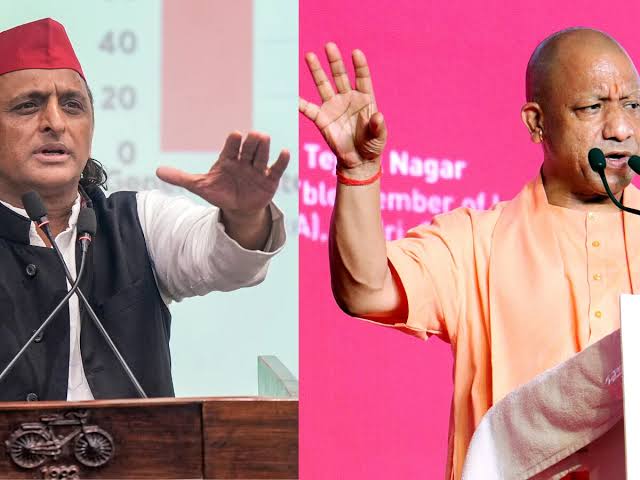
The political temperature in Uttar Pradesh rose significantly after Samajwadi Party chief Akhilesh Yadav launched a fresh offensive against the Bharatiya Janata Party (BJP), invoking what he described as the party’s “4C Formula.” His remarks came amid an intensifying controversy surrounding donations linked to Ayodhya and added a new dimension to the ongoing political confrontation between the opposition and the ruling establishment.
Addressing supporters and political observers, Yadav accused the BJP of prioritizing political narratives over transparency and accountability. His comments were directed not only at the state government but also at Chief Minister Yogi Adityanath, whom he challenged on issues related to governance, public trust, and the handling of matters connected to Ayodhya.
The latest exchange reflects the growing rivalry between the Samajwadi Party and the BJP as both sides seek to shape public opinion ahead of future electoral battles.
What Akhilesh Yadav Meant by the ‘4C Formula’
During his criticism of the BJP, Akhilesh Yadav referred to what he called the party’s “4C Formula,” using the phrase as a political tool to question the ruling party’s approach to governance and public communication.
According to Yadav, the formula symbolizes practices that he believes have contributed to public dissatisfaction and raised concerns among citizens regarding administrative functioning. He argued that the state government must answer questions being raised about transparency and accountability rather than relying solely on political messaging.
The remark quickly became a talking point in political circles, with party leaders and supporters debating its implications and significance in the broader context of Uttar Pradesh politics.
Ayodhya Donation Row Intensifies Political Debate
The controversy surrounding donations associated with Ayodhya has emerged as a major political issue, drawing attention from both ruling and opposition parties.
Opposition leaders have demanded greater clarity regarding financial transactions and management practices connected to the matter. They have argued that institutions and authorities involved should ensure complete transparency to maintain public confidence.
The BJP, meanwhile, has rejected allegations and criticism from opposition parties, maintaining that the accusations are politically motivated. Party leaders have accused rivals of attempting to exploit religious and emotional issues for electoral gain.
As the debate continues, Ayodhya once again finds itself at the center of a wider political narrative that extends beyond local concerns and resonates across the state. 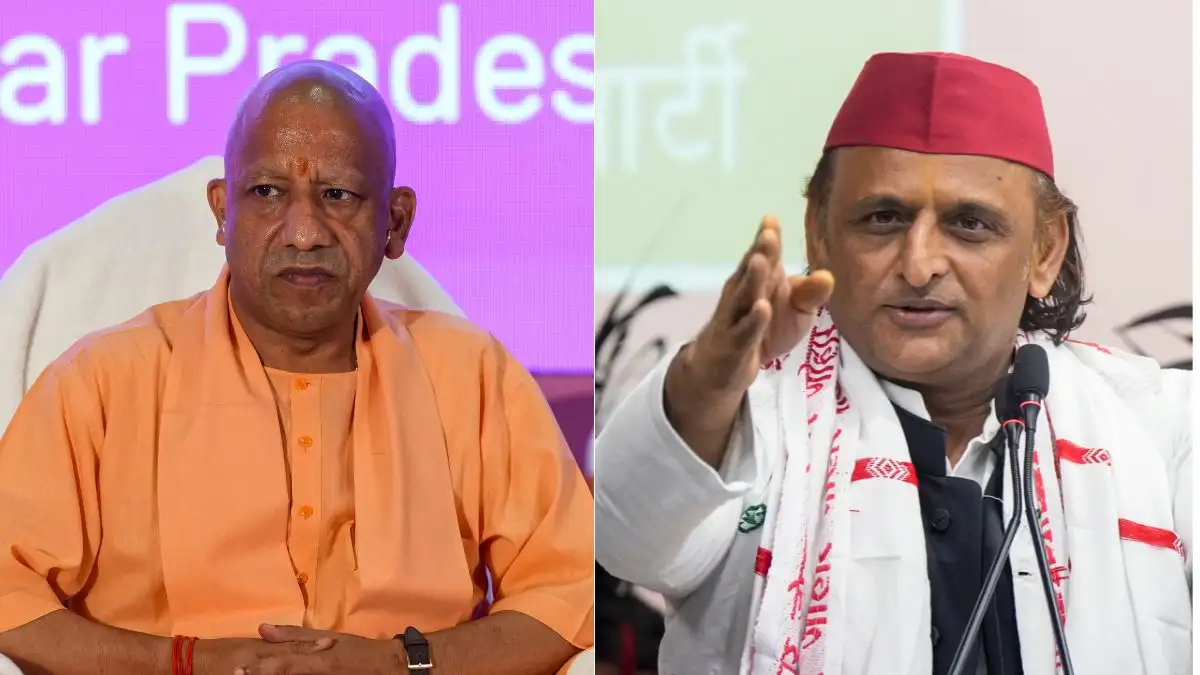
Challenge to Yogi Adityanath
Akhilesh Yadav’s remarks also included a direct challenge to Chief Minister Yogi Adityanath, one of the BJP’s most prominent leaders and a key political figure in Uttar Pradesh.
The Samajwadi Party leader questioned the government’s handling of public concerns and urged the administration to address issues raised by citizens rather than dismissing criticism from opposition parties.
Political analysts view the exchange as part of a broader strategy by the opposition to target the BJP’s governance record while highlighting controversies that could influence public perception.
For the BJP, defending its administration and countering opposition narratives remains crucial, particularly in a politically significant state where electoral contests often shape national political trends.
Growing Political Polarization in Uttar Pradesh
The latest war of words underscores the increasingly polarized political environment in Uttar Pradesh. The state has long been a battleground between major political parties, with every controversy quickly evolving into a larger debate over governance, development, and public accountability.
Both the BJP and the Samajwadi Party are expected to continue using high-profile issues to strengthen their respective political positions. While the ruling party emphasizes its development initiatives and governance achievements, the opposition seeks to spotlight controversies and administrative challenges.
The Ayodhya donation issue has therefore become more than a standalone dispute; it has evolved into a symbol of the larger ideological and political contest between the state’s leading political forces.
Looking Ahead
As the controversy continues to attract attention, pressure is likely to increase on political leaders to provide explanations and defend their positions. The exchange between Akhilesh Yadav and the BJP highlights how sensitive issues linked to Ayodhya remain central to political discourse in Uttar Pradesh.
With both sides refusing to back down, the debate is expected to remain a significant topic in the state’s political landscape, influencing discussions on governance, accountability, and public trust in the months ahead.