
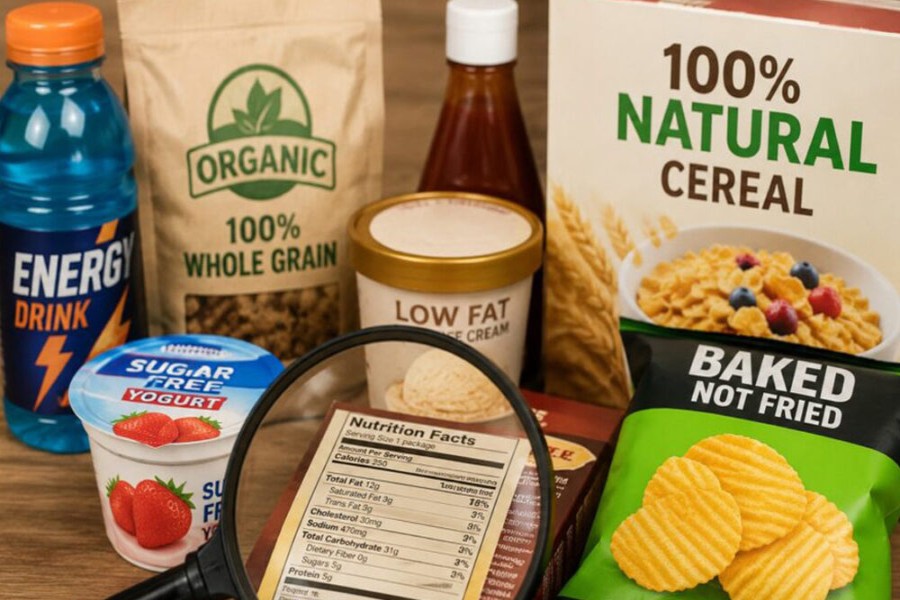
As awareness about fitness, preventive healthcare, and balanced nutrition continues to rise, consumers are increasingly turning toward packaged food products marketed as healthier alternatives. Supermarket shelves are now filled with products carrying labels such as “high protein,” “low sugar,” “multigrain,” “high fibre,” “natural,” and “fortified with vitamins and minerals.” These claims often create the impression that such products are automatically healthier than conventional packaged foods.
However, nutrition experts caution that attractive packaging and health-focused marketing do not always reflect the actual nutritional quality of a product. Understanding what lies beyond the front-of-pack claims has become increasingly important for consumers seeking healthier lifestyles.
The Rise of Health-Focused Packaged Foods
Changing lifestyles, busy work schedules, and increasing health consciousness have significantly boosted demand for convenient food options that promise nutritional benefits. Manufacturers have responded by introducing a wide variety of products, including protein bars, breakfast cereals, granola, low-fat snacks, sugar-free beverages, fortified dairy products, and meal replacements.
While many of these products are designed to meet consumer demand for healthier eating, experts emphasize that convenience should not be confused with superior nutrition.
Marketing Claims Can Create a ‘Health Halo’
Nutrition specialists explain that many packaged foods benefit from what is often called a “health halo”—a perception created by words such as “organic,” “natural,” “low fat,” “high protein,” or “whole grain.”
Although these terms may highlight one positive aspect of a product, they do not necessarily indicate that the overall nutritional profile is healthy. A product promoted as low in sugar may still contain high levels of sodium, saturated fat, refined carbohydrates, or artificial additives. Similarly, foods marketed as high in protein can also be calorie-dense or heavily processed.
Consumers are therefore encouraged to look beyond marketing slogans and examine the complete nutrition information before making purchasing decisions.
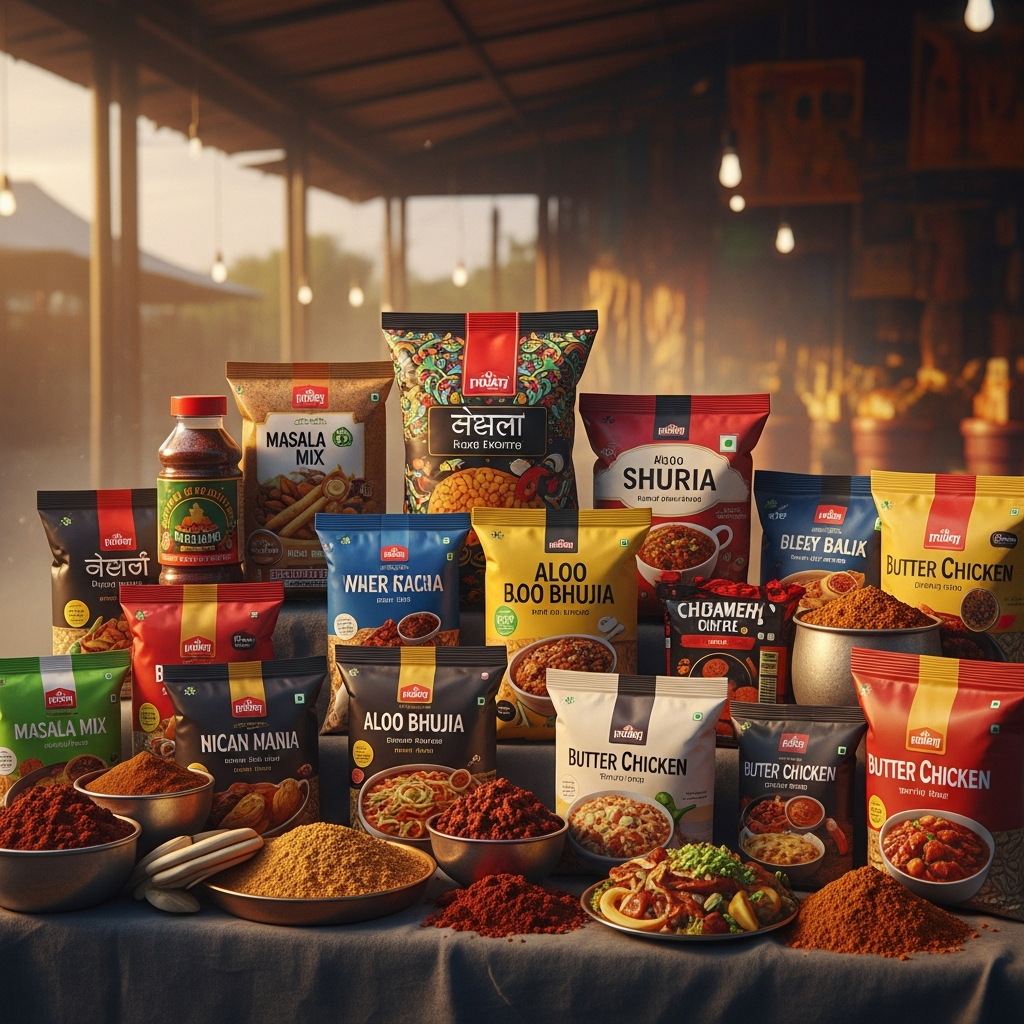
Why Reading Nutrition Labels Matters
Health experts recommend carefully reviewing the nutrition facts panel and ingredient list rather than relying solely on promotional messages displayed on the front of the package.
Important factors to evaluate include:
- Total sugar and added sugar content
- Sodium levels
- Saturated and trans fats
- Fibre content
- Protein quantity
- Ingredient list and level of processing
- Presence of preservatives, artificial colours, flavours, and sweeteners
Products with shorter ingredient lists and recognizable food ingredients are often considered better choices than those containing numerous additives and highly refined components.
Not All Processed Foods Are Unhealthy
Experts also stress that processing itself should not automatically be viewed as harmful. Many packaged foods undergo processing primarily to improve food safety, shelf life, or nutrient preservation.
Items such as plain oats, whole-grain bread, canned beans with low sodium, frozen vegetables, unsweetened yogurt, and fortified milk products can provide valuable nutrients and fit into a balanced diet.
The key distinction lies in identifying products that contain excessive amounts of sugar, unhealthy fats, sodium, and highly refined ingredients, rather than assuming all processed foods are unhealthy.
Making Smarter Choices
Nutrition professionals recommend focusing on an overall healthy eating pattern instead of individual marketing claims. A balanced diet should prioritize fresh fruits, vegetables, legumes, whole grains, nuts, seeds, and minimally processed foods whenever possible.
When choosing packaged foods, consumers should compare products, check serving sizes, and avoid making purchasing decisions based solely on attractive packaging or health-related buzzwords.
Consumer Awareness Is the Best Protection
As the market for health-oriented packaged foods continues to expand, informed decision-making has become more important than ever. While many packaged products can support a healthy diet, others may rely more on marketing than genuine nutritional value.
Ultimately, experts advise that understanding food labels, evaluating ingredients, and maintaining a balanced dietary pattern remain the most reliable strategies for making healthier food choices. Rather than assuming every product labelled as “healthy” is beneficial, consumers are encouraged to assess the complete nutritional picture before adding it to their shopping carts.