
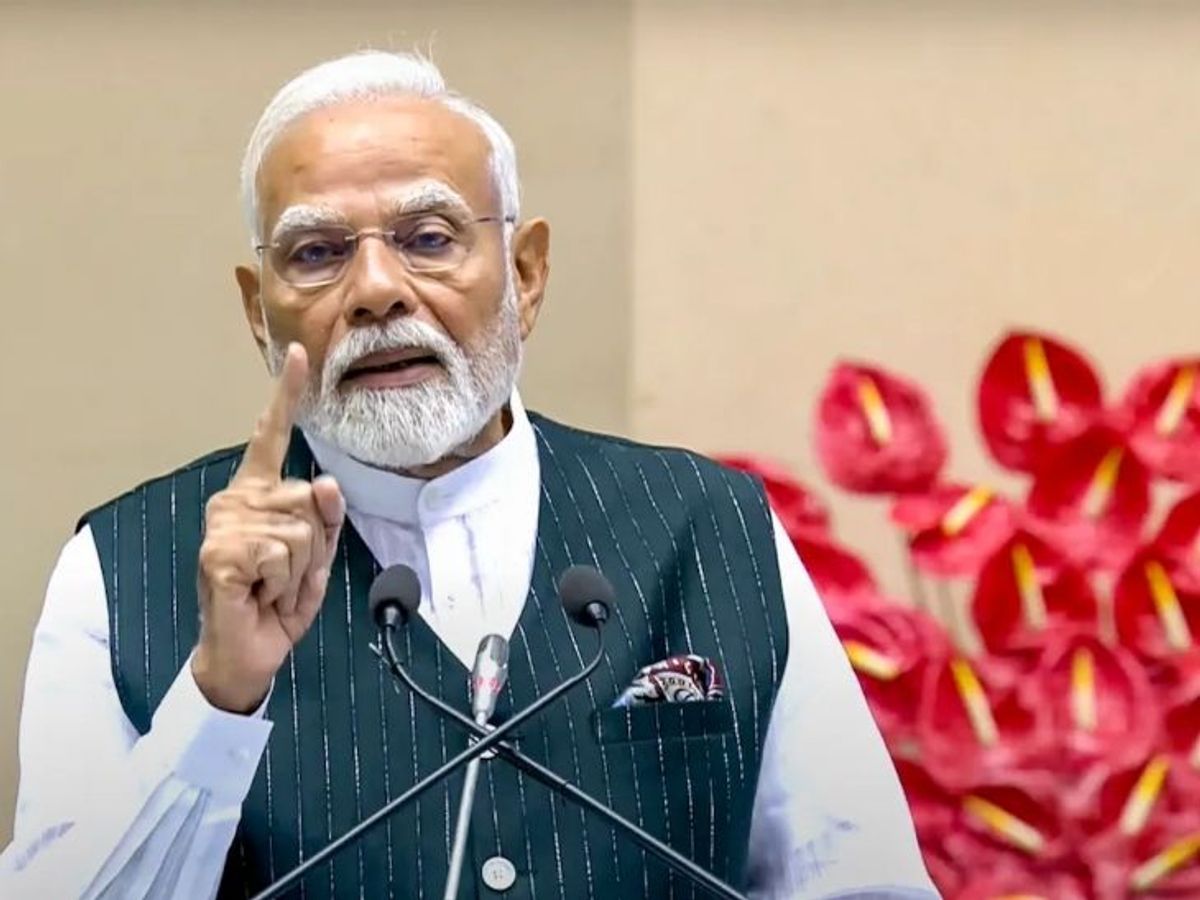
Prime Minister Narendra Modi on Wednesday commemorated the anniversary of the Emergency imposed in India in 1975, describing the 21-month period as one of the darkest chapters in the nation’s democratic history. Recalling the events that unfolded between June 1975 and March 1977, the Prime Minister said the Emergency represented a direct assault on the Constitution, democratic institutions, and the fundamental rights of citizens.
In a message reflecting on the significance of the day, Modi emphasized that the Emergency serves as a reminder of the importance of safeguarding democratic values and constitutional principles. He stated that the period witnessed severe restrictions on civil liberties and the suppression of dissent, leaving a lasting impact on India’s political and democratic landscape.
Emergency Remembered as a Challenge to Democratic Values
The Emergency was declared on June 25, 1975, and remained in force until March 1977. During this period, fundamental rights were curtailed, political opponents were arrested, press freedoms were restricted, and extensive powers were exercised by the central government.
Referring to this era, Prime Minister Modi said the Emergency represented an unprecedented challenge to democratic governance. He noted that constitutional mechanisms and democratic institutions came under immense pressure, while citizens who opposed government actions faced significant restrictions and hardships.
According to the Prime Minister, remembering this chapter is essential to ensuring that future generations understand the value of democratic freedoms and constitutional protections. He stressed that democracy thrives only when institutions remain independent and citizens are free to express their views without fear.
Tribute to Those Who Resisted the Emergency
Modi also paid tribute to individuals who fought against the Emergency and worked to defend democratic rights. He acknowledged the efforts of political leaders, activists, journalists, social workers, and ordinary citizens who opposed authoritarian measures during the period.
The Prime Minister praised those who endured imprisonment, censorship, and political persecution while standing up for democratic ideals. He said their sacrifices played a crucial role in preserving the democratic character of the country and ultimately contributed to the restoration of normal constitutional governance.
He highlighted that the resilience shown by citizens during those years remains an inspiring example of commitment to democratic principles and constitutional values. 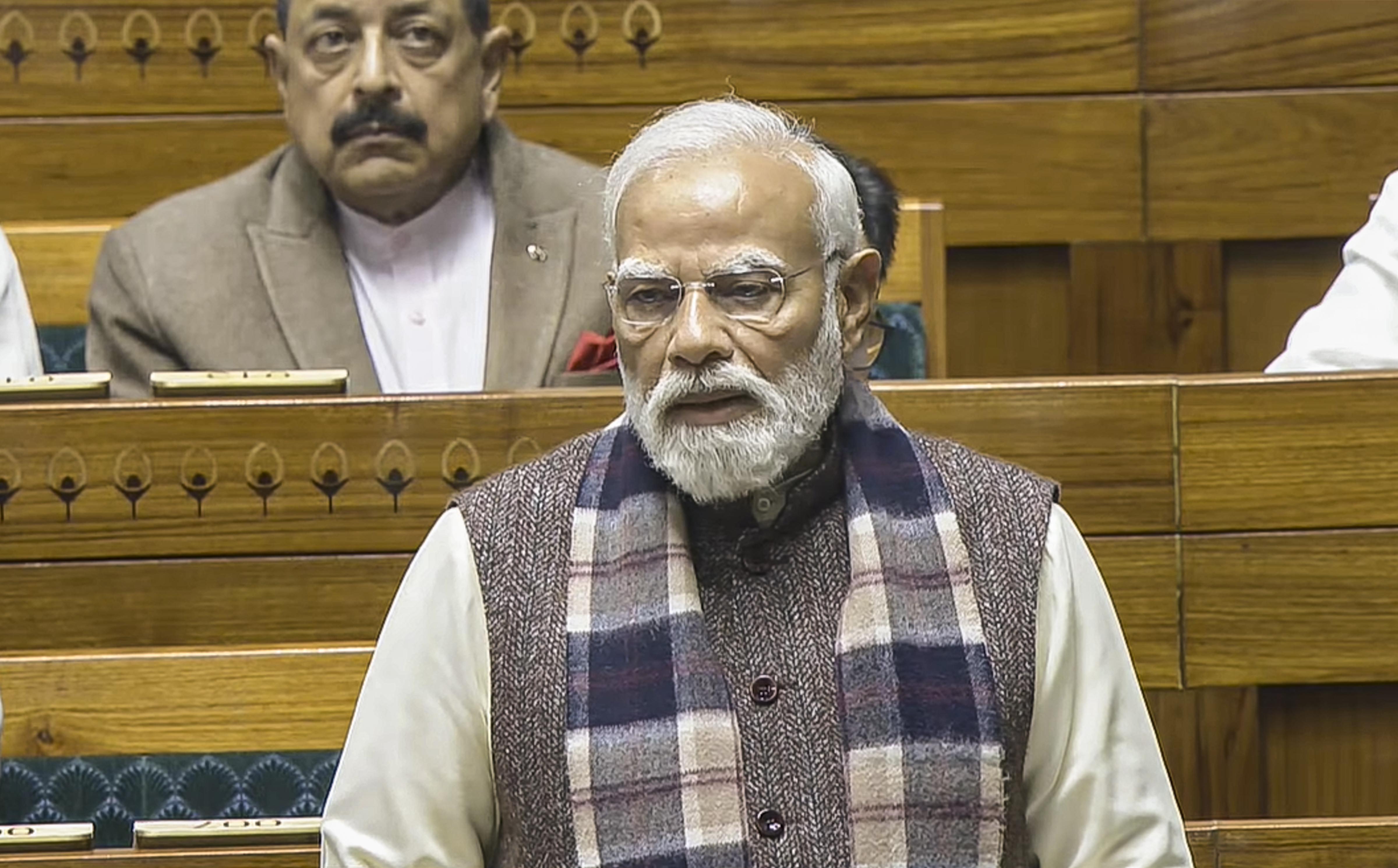
Importance of Constitutional Safeguards
In his remarks, Modi underlined the need to remain vigilant in protecting the Constitution and democratic institutions. He stated that the lessons of the Emergency continue to hold relevance in contemporary times, reminding citizens of the importance of accountability, transparency, and respect for democratic processes.
The Prime Minister emphasized that constitutional safeguards exist to protect individual freedoms and maintain a balance of power within a democratic system. He urged people to remember the historical significance of the Emergency and remain committed to preserving democratic traditions.
Political and Historical Significance
The Emergency remains one of the most debated periods in modern Indian political history. Historians and political analysts often cite it as a defining moment that tested the strength of India’s democratic framework. The period saw sweeping political and administrative actions that sparked intense debate over civil liberties, governance, and constitutional authority.
Over the decades, the anniversary of the Emergency has continued to be observed as an occasion for reflection on the importance of democratic freedoms and institutional independence. Political leaders across the spectrum frequently revisit the lessons of the period while discussing issues related to governance, constitutional rights, and democratic accountability.
Renewed Call to Protect Democracy
As the country marked another anniversary of the Emergency, Prime Minister Modi reiterated the importance of learning from history. He said that preserving democratic values requires constant vigilance and collective commitment from both institutions and citizens.
The Prime Minister concluded by urging people to honor the memory of those who defended democracy during challenging times and to continue strengthening the constitutional foundations that uphold India’s democratic system.
The anniversary serves as a reminder of the resilience of India’s democracy and the enduring significance of constitutional governance, civil liberties, and institutional independence in shaping the nation’s future.