
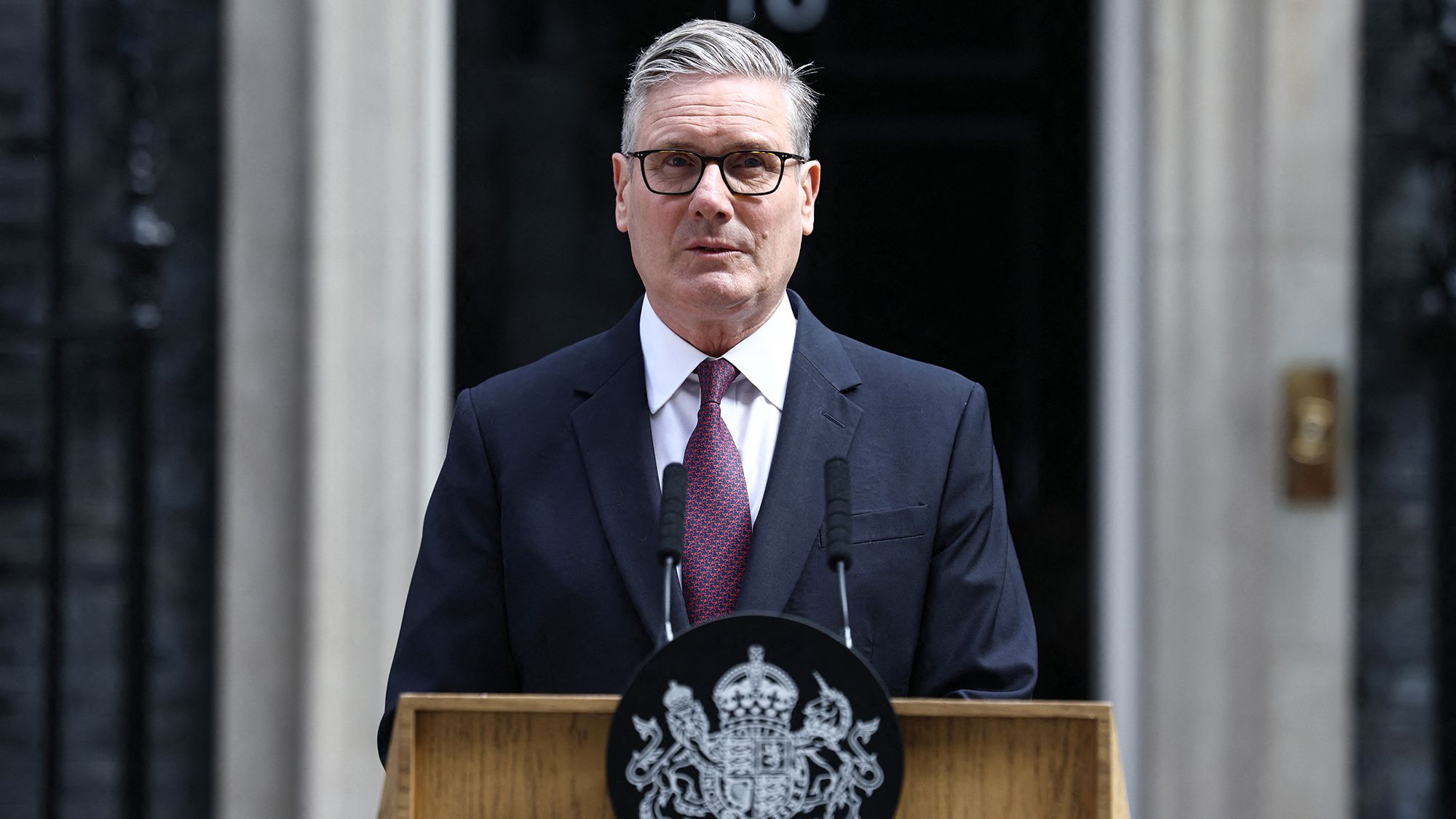
The possibility of Prime Minister Keir Starmer stepping down from office has sparked widespread debate among political analysts, diplomats, and security experts regarding the future of European security. As Europe continues to navigate a complex geopolitical environment shaped by regional conflicts, military modernization, and evolving alliances, any major leadership change in the United Kingdom could have significant implications beyond British borders.
The United Kingdom remains one of Europe’s most influential military and diplomatic powers. Its role within NATO, intelligence-sharing partnerships, and defense cooperation frameworks has made London a critical player in maintaining stability across the continent. Consequently, uncertainty surrounding the future of the British government has generated concerns about continuity in strategic decision-making and defense policy.
The Strategic Importance of the United Kingdom
For decades, Britain has occupied a central position in European and transatlantic security structures. Despite leaving the European Union, the UK has continued to play a leading role in supporting NATO operations, strengthening defense ties with European allies, and contributing to collective security efforts.
British military capabilities, intelligence networks, and diplomatic influence are widely regarded as essential components of Europe’s broader security architecture. The country has consistently advocated for stronger deterrence measures, increased defense spending, and closer cooperation among allied nations in response to emerging threats.
Any transition in political leadership therefore carries implications not only for domestic governance but also for the strategic direction of Europe’s security policies. 
Concerns About Policy Continuity
One of the primary concerns surrounding a potential resignation is whether a new leadership team would maintain the same commitment to existing defense and foreign policy priorities.
Security experts note that long-term defense initiatives often depend on political stability and consistent leadership. A change at the top could result in policy reviews, adjustments to spending priorities, or shifts in diplomatic engagement strategies.
Although Britain’s core commitments to NATO and international alliances are unlikely to change dramatically, leadership transitions often create periods of uncertainty during which allies seek reassurance regarding future cooperation.
Implications for NATO
The United Kingdom is among NATO’s most significant contributors in terms of military capability, defense spending, and operational leadership. British armed forces regularly participate in alliance missions, exercises, and deterrence efforts across Europe.
A change in political leadership could influence how Britain approaches future NATO commitments, defense procurement programs, and military deployments. While institutional structures provide continuity, strategic priorities can evolve depending on the vision and policies of incoming leaders.
European allies closely monitor political developments in London because decisions made by the British government frequently affect broader alliance planning and regional security initiatives.
Impact on European Defense Cooperation
Beyond NATO, Britain maintains extensive bilateral and multilateral defense relationships with several European nations. These partnerships encompass military training, intelligence-sharing, cyber defense, technological cooperation, and joint security projects.
Political uncertainty could temporarily slow decision-making processes related to defense agreements or strategic initiatives. European governments often prefer predictable leadership when coordinating long-term security programs, particularly in areas requiring substantial financial and military commitments.
Experts argue that maintaining momentum in these partnerships will be crucial regardless of who ultimately leads the British government.
The Ukraine Factor
The ongoing security challenges facing Europe have elevated the importance of strong leadership among key Western nations. Britain has been a prominent supporter of Ukraine, providing military assistance, diplomatic backing, and strategic coordination alongside allied countries.
Any leadership transition would likely be assessed through the lens of Britain’s future role in supporting Ukraine and responding to broader regional security challenges.
Observers emphasize that consistency in policy toward Ukraine remains an important consideration for European allies seeking a united approach to continental security. 
Economic and Security Interconnections
Political transitions can also influence defense planning through their impact on economic policy. Government priorities regarding public spending, fiscal management, and industrial strategy often shape military budgets and defense modernization programs.
Security experts highlight that sustained investment is essential for maintaining military readiness and technological competitiveness. Therefore, the direction taken by a successor administration could affect Britain’s ability to fulfill ambitious defense objectives over the coming years.
Diplomatic Reassurance for Allies
Historically, leadership changes in major democracies have prompted diplomatic outreach aimed at reassuring allies and maintaining confidence in existing commitments. Should a transition occur, British officials would likely seek to emphasize continuity in key foreign policy and defense objectives.
European governments and NATO partners would be particularly interested in signals regarding military spending, alliance obligations, and strategic priorities. Clear communication during any transition period would be critical to preventing uncertainty from affecting collective security efforts.
A Defining Moment for European Security
The broader debate surrounding Keir Starmer’s future highlights the interconnected nature of modern European security. Leadership changes in one of the continent’s most influential nations can have ripple effects across defense planning, diplomatic relations, and alliance coordination.
While institutions such as NATO provide stability and continuity, political leadership remains an important factor in shaping strategic direction and responding to emerging threats. As discussions continue about the future of Britain’s government, policymakers across Europe will be closely watching developments and assessing their potential impact on regional security.
For now, experts suggest that Europe’s security framework remains robust, but any significant political transition in London would inevitably become a major consideration in ongoing discussions about the continent’s future defense and strategic priorities.