
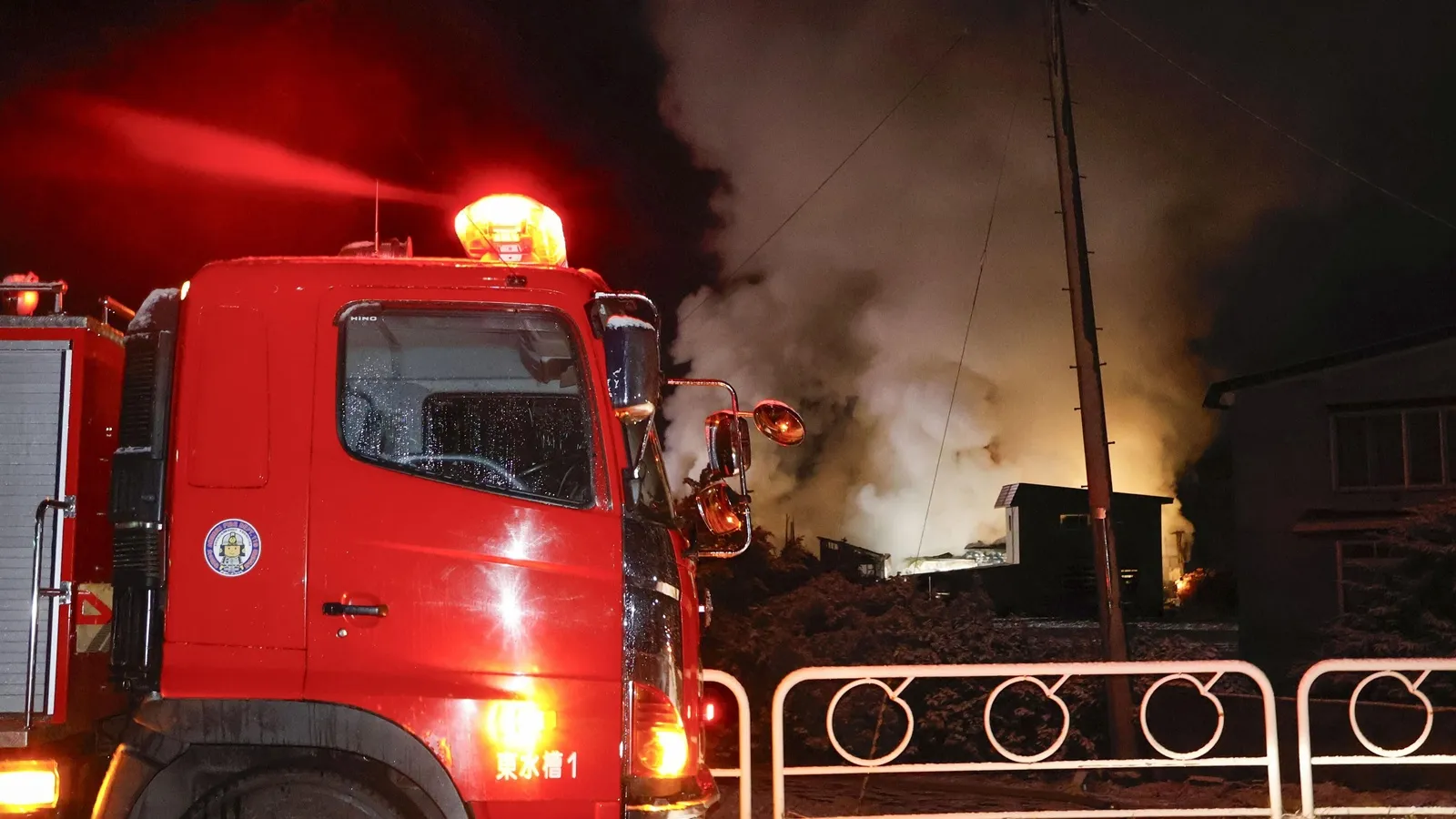
A powerful 7.0-magnitude earthquake struck Japan on Thursday, triggering an immediate nationwide response from authorities and prompting heightened disaster preparedness measures across affected regions. The strong tremor was felt across multiple areas, raising concerns about potential structural damage, transportation disruptions, and public safety risks.
Following the earthquake, the Japanese government swiftly activated emergency protocols, establishing a dedicated task force to coordinate rescue efforts, monitor developing situations, and ensure rapid communication between national and local agencies. Authorities moved quickly to assess the extent of the impact while urging residents to remain vigilant amid the possibility of aftershocks.
Government Mobilizes Emergency Response
Shortly after the earthquake occurred, senior government officials convened emergency meetings to evaluate the situation and coordinate response measures. Disaster management agencies, local administrations, emergency services, and infrastructure authorities were placed on high alert.
The specially formed task force has been assigned the responsibility of gathering real-time information from affected regions, overseeing relief operations, and ensuring that critical services remain operational. Officials emphasized the importance of rapid assessment and response in minimizing potential risks to communities.
Emergency response teams were dispatched to inspect roads, bridges, railway lines, airports, power infrastructure, and public facilities for any signs of damage. Authorities also began collecting reports from municipalities to determine whether residents required evacuation assistance or emergency shelter support.
Strong Tremors Felt Across Multiple Areas
Residents in several parts of the country reported experiencing intense shaking as the earthquake struck. Witnesses described buildings swaying, household items falling from shelves, and people rushing outdoors as precautionary measures.
Public transportation systems in some regions temporarily suspended operations while safety inspections were conducted. Rail operators and infrastructure agencies initiated standard earthquake response procedures to ensure passenger safety and verify the integrity of transport networks before services resumed.
Although Japan’s extensive earthquake preparedness systems helped mitigate panic, many residents remained alert due to the possibility of subsequent tremors. 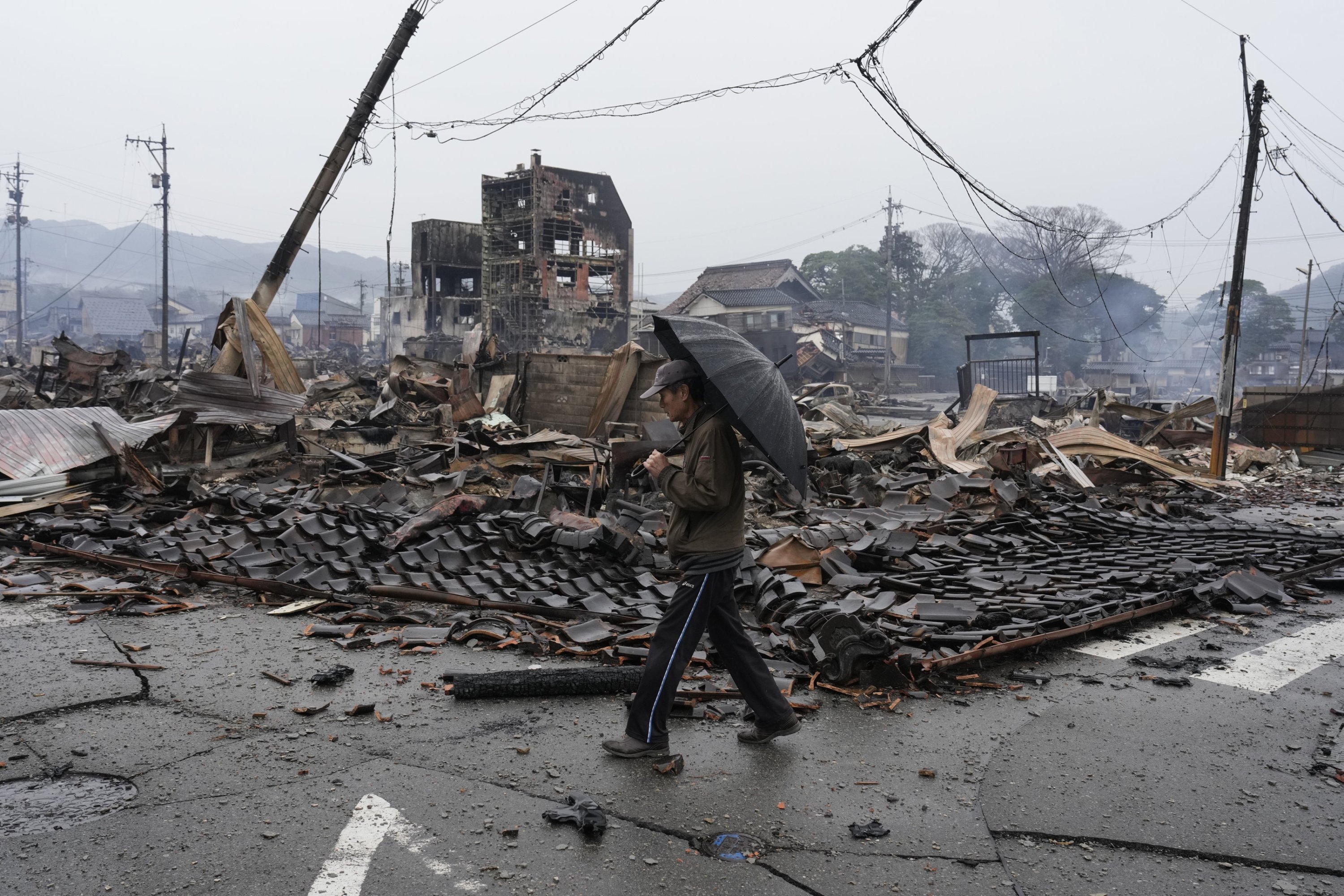
Authorities Monitor Risk of Aftershocks
Seismologists and disaster management officials warned that aftershocks are common following major earthquakes and advised the public to stay informed through official channels. Emergency agencies urged citizens to review evacuation plans, secure loose objects, and prepare emergency supplies if necessary.
Monitoring centers continued tracking seismic activity around the clock, analyzing geological data to determine whether additional significant tremors could occur in the coming days.
Experts noted that while aftershocks vary in intensity, they can occasionally cause further damage to weakened structures. As a result, inspection teams were deployed to evaluate buildings and infrastructure in areas where shaking was strongest.
Japan’s Advanced Earthquake Preparedness Tested Again
Japan is one of the world’s most earthquake-prone nations due to its location along the Pacific Ring of Fire, a region characterized by intense tectonic activity. The country experiences thousands of seismic events annually and has developed sophisticated early-warning systems, strict building standards, and comprehensive disaster response mechanisms.
These preparedness measures have been credited with reducing casualties and limiting damage during many seismic events over the years. Public awareness campaigns and regular emergency drills have also played a significant role in strengthening community resilience.
The latest earthquake once again demonstrated the importance of rapid coordination between government agencies, emergency responders, and local communities when natural disasters occur.
Damage Assessments Continue
As emergency teams continued their evaluations, authorities focused on determining whether the earthquake had caused injuries, structural damage, utility disruptions, or impacts on critical infrastructure. Officials indicated that assessments were ongoing and that updated information would be released as more details became available.
Residents were advised to remain cautious, follow official safety instructions, and avoid entering damaged buildings until inspections were completed. Emergency services remained prepared to respond to any developing incidents linked to the earthquake or potential aftershocks.
While the full extent of the earthquake’s impact was still being assessed, the government’s rapid response highlighted the country’s readiness to address natural disasters and protect public safety during seismic emergencies.