
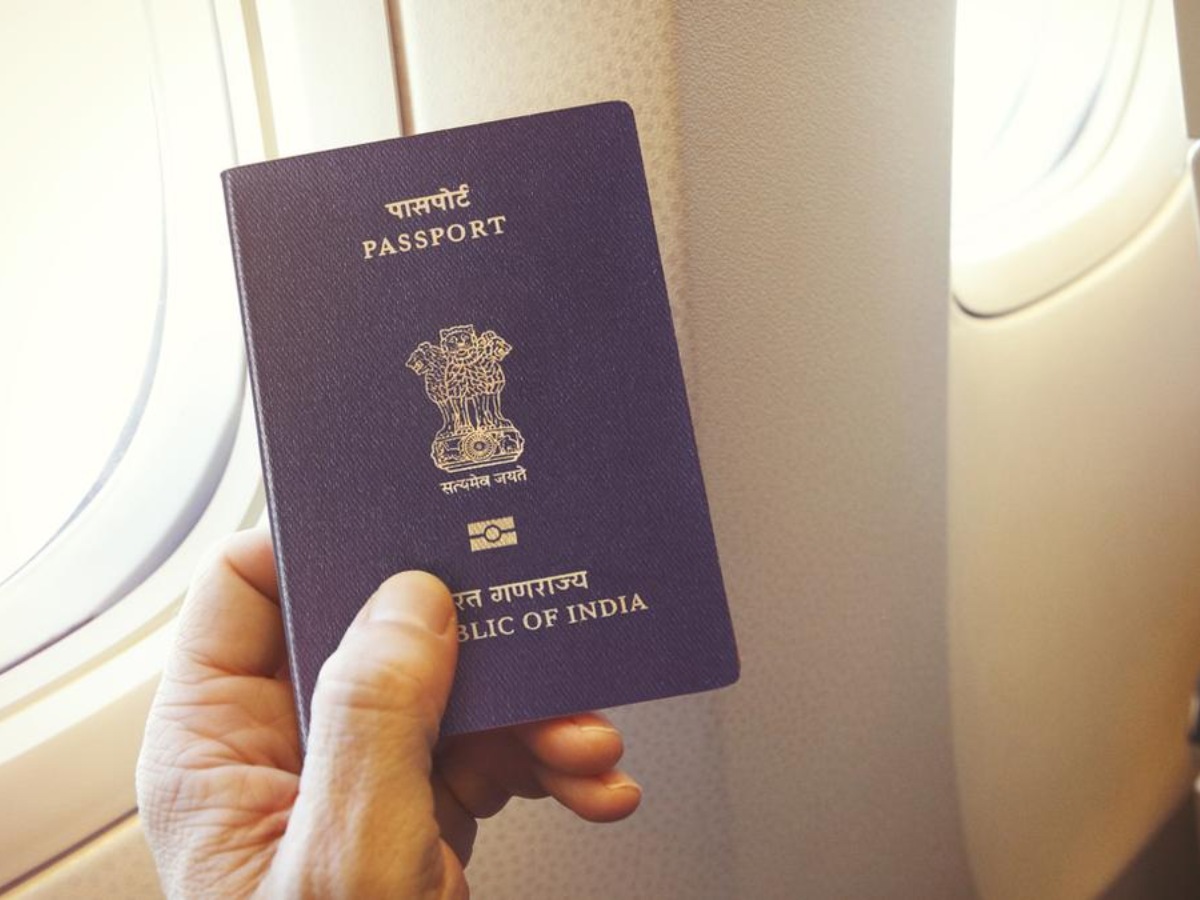
The Ministry of External Affairs (MEA) has clarified that possession of an Indian passport by itself does not serve as definitive proof of Indian citizenship. The clarification comes amid legal and administrative discussions surrounding citizenship verification and the interpretation of documents issued by government authorities.
According to the ministry, while an Indian passport is an important travel and identity document issued by the Government of India, citizenship status is ultimately determined in accordance with the provisions of Indian law and relevant verification procedures. The statement reinforces the distinction between the issuance of a passport and the legal determination of citizenship.
Passport Issuance and Citizenship Verification
The ministry explained that passports are issued under the framework established by the Passports Act, 1967. While applicants are generally required to provide information and documentation supporting their eligibility, the issuance of a passport does not automatically override or replace legal processes that may later examine an individual’s citizenship status.
Officials emphasized that citizenship is governed by separate legal provisions, and competent authorities retain the power to investigate or determine citizenship questions whenever required. As a result, a passport cannot be treated as an unquestionable or final certificate of citizenship in all circumstances.
Distinction Between Travel Documents and Citizenship Status
The clarification highlights a long-standing legal distinction between travel documents and citizenship rights. A passport primarily serves as an official document facilitating international travel and confirming identity for border and immigration purposes. However, citizenship determination involves broader legal considerations, including eligibility under citizenship laws, documentary evidence, and official verification processes.
Legal experts have frequently noted that government-issued documents can support claims related to citizenship but may not independently settle disputes where questions regarding nationality or legal status arise. In such cases, authorities rely on statutory provisions and detailed examinations of records and evidence. 
Legal Context Behind the Clarification
The ministry’s statement comes against the backdrop of ongoing discussions regarding citizenship documentation and the evidentiary value of government-issued records. Courts and administrative authorities have, on multiple occasions, examined whether specific documents can conclusively establish citizenship.
By reiterating that citizenship is determined under the law rather than solely through possession of a passport, the government seeks to clarify the legal position and prevent misunderstandings about the scope and significance of passport issuance.
Importance of the Passports Act, 1967
The Passports Act, 1967, provides the legal framework for the issuance, refusal, impounding, and revocation of passports. However, the act operates separately from laws governing citizenship. While citizenship is often a prerequisite for obtaining an Indian passport, authorities maintain the power to review cases where information provided during the application process is later found to be inaccurate, incomplete, or subject to legal dispute.
The ministry underscored that the existence of a passport does not eliminate the need for lawful scrutiny when citizenship-related questions arise. Any determination regarding citizenship must be made through the procedures and standards established under applicable laws.
Broader Implications
The clarification is significant because passports are commonly regarded by the public as strong evidence of nationality. While they remain important official documents, the ministry’s statement reinforces that citizenship is ultimately a legal status determined through statutory provisions rather than by a single document alone.
The government’s position aims to ensure consistency in the interpretation of citizenship laws and to clarify the relationship between passport issuance and citizenship determination. The clarification also serves as a reminder that legal authorities may examine multiple forms of evidence when assessing citizenship claims.
Conclusion
The Ministry of External Affairs has reaffirmed that an Indian passport, although a crucial government-issued identity and travel document, is not by itself conclusive proof of Indian citizenship. Citizenship continues to be governed by the relevant legal framework, with authorities empowered to determine status through established verification and adjudication processes. The statement underscores the distinction between passport issuance and the legal determination of citizenship under Indian law.